
Aphids
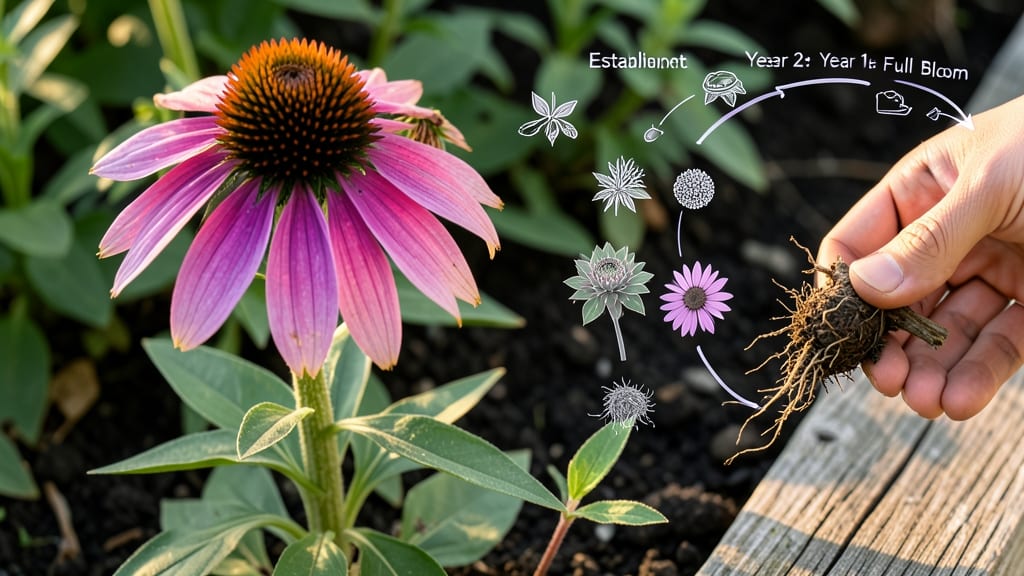
The perennial life cycle demonstrates how plants survive harsh seasons by shedding foliage above ground while storing energy in roots, tubers, or rhizomes, then rebounding with new growth when conditions improve.
The perennial life cycle hinges on two key phases: dormancy and regrowth.
During winter or drought, plants redirect energy to underground storage organs like bulbs or roots, effectively "hibernating" until temperature and moisture cues trigger new shoots. 🌱 This strategy isn't just survival—it's a strategic adaptation that allows perennials to outlast annuals, which must replant from seed each season.
For gardeners, understanding these stages means timing pruning and fertilization precisely to avoid disrupting the plant's natural energy reserves.
What makes this cycle fascinating is how environmental factors like photoperiodism (daylight changes) and soil temperature act as biological clocks for these plants. For example, peonies begin regrowth when daytime temperatures consistently reach 50°F, while hostas may wait until nighttime temperatures stabilize above 45°F.
This precision explains why some perennials thrive in Zone 5 gardens while others struggle—it's not just about cold tolerance, but about matching their internal rhythms with your climate's seasonal shifts.
💡 In This Article
- How Perennials Survive Dieback and Regrowth
- Identifying Perennial Dieback Stages and Care Tips
How perennials survive dieback and regrowth
The perennial life cycle begins with a clever biological trick: converting above-ground growth into underground energy reserves. During dormancy, plants like daylilies or coneflowers break down chlorophyll and redirect stored sugars to their roots, tubers, or rhizomes.
These structures can contain 50-70% of the plant's annual energy reserves, enough to fuel regrowth when conditions improve. For example, a single peony root crown may store enough starch to produce 20-30 new shoots in spring, demonstrating how efficiently perennials repurpose their resources. 🌱
Temperature acts as the primary trigger for both dormancy and regrowth. Most perennials enter dormancy when nighttime temperatures drop below 45°F for several weeks, a signal that winter is coming. Conversely, regrowth begins when daytime temperatures consistently exceed 50°F and nighttime temperatures stay above 40°F.
This temperature sensitivity explains why some perennials like lavender thrive in Mediterranean climates (where winters are mild but dry) while others, like asters, prefer cooler northern climates with distinct seasonal changes. The plant's internal clock, regulated by hormones like abscisic acid, ensures this transition happens at the right time.
Moisture plays an equally critical role in this cycle. During dormancy, many perennials reduce water uptake by up to 90%, preventing frost damage to their delicate root systems.
However, too little moisture can be just as harmful—some perennials, like hostas, need 1-2 inches of water monthly even in winter to maintain root health. The balance between water conservation and root hydration is what allows perennials to survive droughts or freezing temperatures without permanent damage.
This adaptability is why perennials dominate landscapes worldwide, from the arid Southwest to the wet Pacific Northwest.
Underground structures vary dramatically between plant types, each with unique survival strategies. Bulbs like tulips store energy in fleshy scales that can survive -20°F temperatures, while rhizomes like those of ginger or iris spread horizontally to access moisture and nutrients across larger soil areas.
Even woody perennials like raspberry canes rely on a network of roots that extend 3-5 feet deep, allowing them to tap into groundwater during dry spells.
This diversity in storage structures explains why some perennials die back completely each year (like bearded iris) while others maintain evergreen foliage (like boxwood) in milder climates.
What most gardeners don't realize is how closely this cycle mirrors human hibernation patterns. Just as bears store fat before winter, perennials convert sunlight into stored carbohydrates during growing season to fuel their comeback. The key difference?
Perennials can do this for decades—some creosote bushes in the Southwest have been regrowing from the same root system for over 100 years.
This longevity comes from their ability to balance growth and conservation, a lesson gardeners can apply by avoiding heavy pruning in fall or over-fertilizing in late summer, both of which disrupt these natural energy reserves. 💫