
Planting
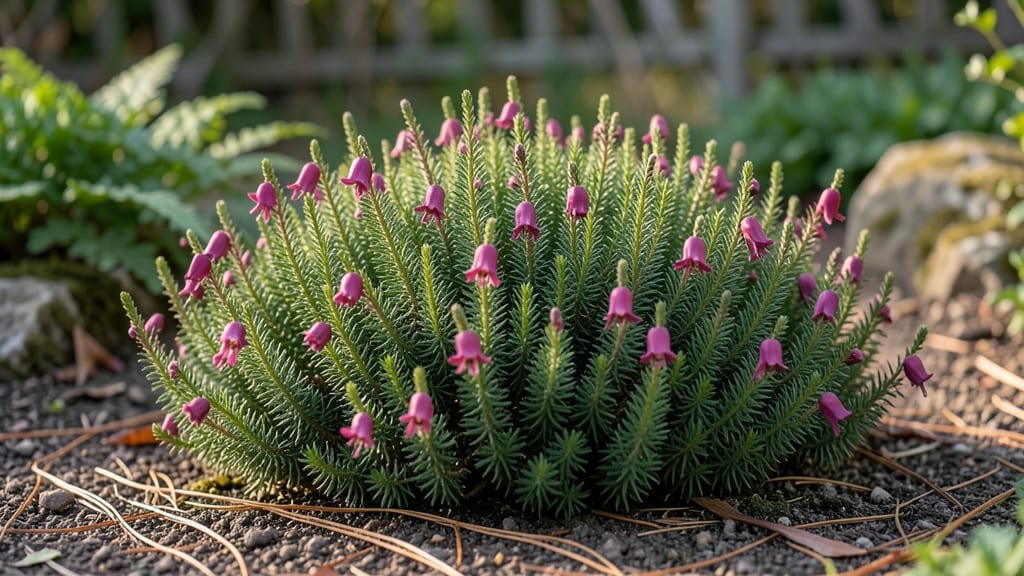
Yes, heather is a perennial plant that thrives year-round thanks to its hardy underground rhizomes, which store nutrients and allow regrowth even after frost or drought. Most varieties bloom annually in late summer or fall.
Heather's perennial nature comes from its specialized woody rhizomes, which act like natural storage units for water and nutrients. 🌱 Unlike annuals that complete their life cycle in one season, these underground stems let heather survive harsh winters and dry spells while still producing vibrant flowers year after year.
The key difference from biennials is that heather doesn't need to die back completely between seasons—its root system remains active, ready to push new growth when conditions improve.
This hardy growth habit makes heather particularly popular among gardeners in cooler climates. The rhizomes also allow for natural spreading, creating dense ground covers that suppress weeds while maintaining their striking purple, pink, or white blooms.
For best results, plant heather in well-draining soil with slightly acidic pH (around 4.5-5.5) and provide morning sun with afternoon shade to prevent stress.
💡 In This Article
- How Heather’s Rhizomes Support Perennial Growth
- Choosing and Caring for Heather Perennials
How heather’s rhizomes support perennial growth
Heather’s perennial survival hinges on its specialized woody rhizomes, which function like a plant’s built-in survival kit. These horizontal underground stems store carbohydrates, water, and nutrients during dormancy, allowing heather to push through frost and drought.
Unlike annuals that die back completely after flowering, heather’s rhizomes remain alive, ready to regenerate shoots when conditions improve. This system is particularly effective in heather’s native habitats—cool, acidic moorlands—where temperatures can drop below 32°F and rainfall is sporadic.
The rhizomes also contain lignin-rich cells, which provide structural support and insulation against freezing. This woody composition allows heather to maintain its form through winter, unlike herbaceous perennials that rely on softer, less resilient roots.
For example, calluna vulgaris (common heather) can sustain growth for decades from the same root system, producing new flowering stems each year from dormant buds along the rhizomes. The buds remain viable even after years of dormancy, ensuring consistent blooms in late summer or fall.
This underground network also enables heather’s natural spreading habit. Each rhizome node can produce new shoots, creating dense mats that suppress weeds while maintaining vibrant foliage.
The rhizomes’ ability to regulate moisture absorption is another key advantage—they absorb water slowly during wet periods and release it gradually during dry spells, preventing root rot while keeping the plant hydrated.
This adaptability explains why heather thrives in regions with 6-12 inches of annual rainfall, from Scottish Highlands to Pacific Northwest gardens.
Comparing heather to other perennials highlights its unique resilience. While plants like peonies rely on thick roots for storage, heather’s rhizomes combine storage with active growth regulation.
The rhizomes’ woody texture also protects against soil compaction, allowing heather to flourish in rocky or poorly drained soils where many perennials would fail. This dual-function system—storage and growth—is what makes heather a true workhorse in perennial gardens, capable of blooming for 20+ years with minimal care.
For gardeners, understanding this system translates to practical benefits. Pruning heather after flowering preserves the rhizomes’ energy reserves, while avoiding heavy soil disturbance prevents damage to these delicate underground structures.
The rhizomes’ ability to recover from partial damage also means heather can bounce back from accidental root exposure or mild frost heave—unlike many perennials that require precise care to avoid decline.
What truly sets heather apart is its multi-season functionality. While the above-ground growth may die back in winter, the rhizomes remain metabolically active, preparing for spring’s return.
This continuous cycle of storage and regrowth is why heather not only survives harsh conditions but thrives in them, year after year.