
Flowers
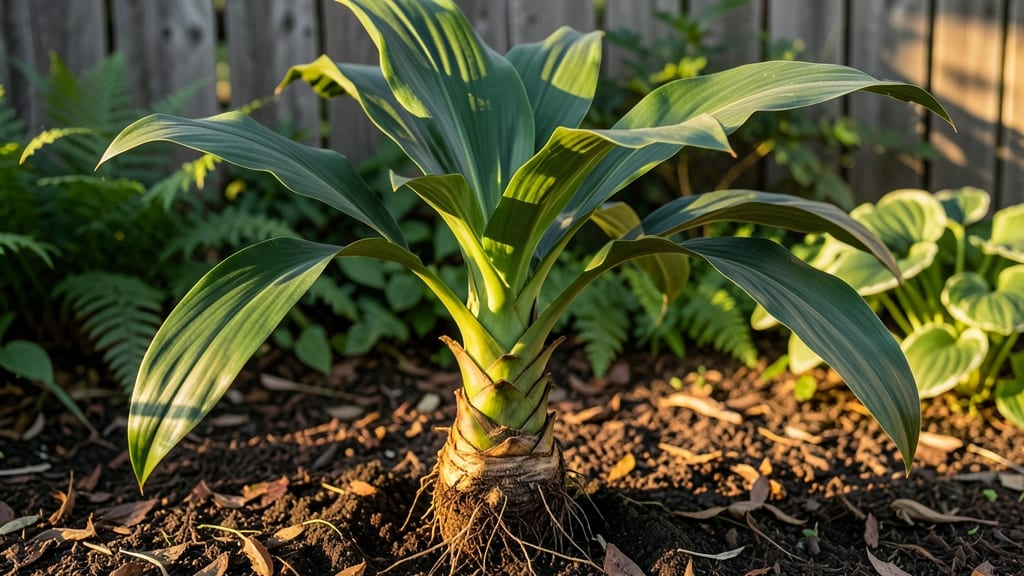
Yes, ginger is a perennial plant that returns year after year from its underground rhizomes, though it may appear dormant in colder months. This hardy root thrives in frost-free zones and can live for years with proper care, making it a rewarding long-term garden addition.
Ginger's perennial nature comes from its specialized underground stems called rhizomes, which act like natural storage units. 🌱 These thick, knobby roots store nutrients and energy during the plant's dormant phase—typically winter in temperate climates—so they can sprout fresh shoots when conditions warm up.
Unlike annuals that complete their life cycle in one season, ginger's rhizomes remain alive underground, ready to push new growth when spring arrives. This biological trick explains why ginger plants often outlive gardeners' expectations, sometimes producing for a decade or more with minimal maintenance.
What makes this particularly interesting is how ginger adapts to different climates. In tropical regions where frost never occurs, ginger grows continuously throughout the year, producing new shoots and harvestable rhizomes in cycles.
Meanwhile, in cooler zones, gardeners must take extra steps like mulching heavily or providing winter protection to prevent frost damage to those vital underground stems. The key to successful perennial ginger cultivation lies in protecting those rhizomes—whether through proper soil insulation or strategic planting in sheltered microclimates.
💡 In This Article
- How Ginger’s Rhizome System Enables Perennial Growth
- Growing Ginger as a Perennial: Climate and Care Tips
How ginger’s rhizome system enables perennial growth
Ginger's perennial nature stems from its unique rhizome system, which functions like a biological battery. These thick, knobby underground stems store complex carbohydrates like starch and sugars—up to 60-70% of their dry weight—that fuel regrowth after dormancy.
The rhizome's segmented structure allows it to compartmentalize nutrients and water, similar to how a potato's "eyes" store growth hormones. 🌱 What's fascinating is how these segments can independently produce new shoots when conditions improve, creating a natural backup system that ensures the plant's survival even if some sections are damaged.
The dormancy phase occurs when temperatures drop below 50°F (10°C), triggering the plant to shift resources from leaf growth to rhizome development.
In tropical climates where frost never occurs, ginger maintains continuous growth cycles, producing new shoots every 8-12 weeks—this is why commercial ginger farms in regions like India and Jamaica can harvest multiple times annually.
The contrast in temperate zones is stark: without protection, rhizomes exposed to 28°F (-2°C) or below can suffer irreversible damage, breaking the perennial cycle.
This biological adaptation explains why ginger thrives as a perennial in its native Southeast Asia but requires special care in cooler regions. The rhizome's ability to remain viable underground for years—some gardeners report healthy regrowth from 5-10 year-old rhizomes—demonstrates nature's efficiency in energy storage.
Think of it as the plant's version of hibernation: while the above-ground foliage withers, the rhizome remains metabolically active, ready to burst into growth when warmth returns.
Temperature isn't the only factor—soil moisture plays a crucial role. Rhizomes need consistent moisture (1-1.5 inches per week) during active growth but must be kept slightly drier (0.75 inches per week) as dormancy approaches.
This moisture regulation prevents rot while maintaining the rhizome's viability. The plant's ability to time these cycles based on environmental cues is what makes ginger such a resilient perennial in the right conditions.
Here's what happens biologically when spring arrives: The rhizome's apical meristems (growth points) detect increasing temperatures and begin producing gibberellins, a class of plant hormones that trigger shoot emergence.
These new shoots tap into the stored nutrients, while the rhizome simultaneously begins replenishing its reserves through photosynthesis from the emerging leaves—a perfect example of nature's closed-loop system. 🌿 This dual process allows ginger to maintain its perennial status for decades with minimal external intervention.