
Planting
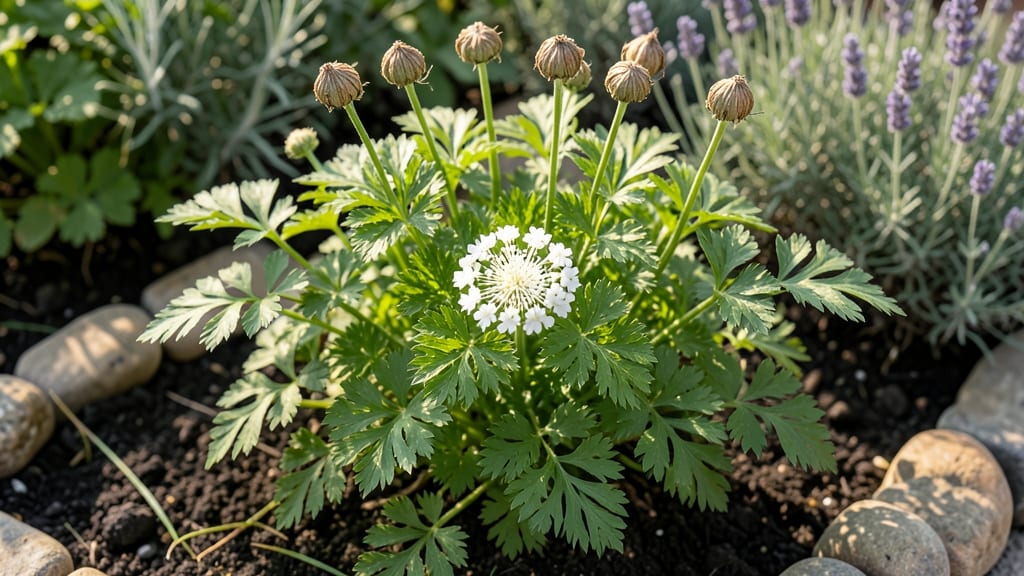
Cilantro is not a perennial plant in most climates, but its hardy root system can survive underground for years, allowing it to regrow under the right conditions. While it won't come back reliably like true perennials, cold-tolerant varieties can persist through mild winters.
This behavior happens because cilantro develops a deep taproot that stores energy, letting it bounce back when temperatures warm up. 🌱 In warmer climates, it often bolts (stems and flowers) instead of staying leafy, while in cooler zones, some varieties can overwinter.
The key to treating cilantro like a perennial is protecting it from extreme cold and providing consistent moisture during dormancy.
For gardeners in colder regions, I recommend cutting back plants before frost and mulching heavily to insulate the roots. In warmer areas, succession planting every 2-3 weeks ensures a continuous harvest. The secret to long-term success is understanding your local climate's quirks—cilantro's resilience is all about timing and conditions.
💡 In This Article
- Cilantro’s Root System: Why It Acts Like a Perennial in Some Climates
- Best Practices for Growing Cilantro Year-Round in Different Zones
Cilantro’s root system: why it acts like a perennial in some climates
Cilantro (Coriandrum sativum) grows a taproot that can extend 6-12 inches deep, storing carbohydrates and nutrients to fuel regrowth. Unlike true perennials (like parsley or dill), which have woody stems that survive above ground, cilantro relies entirely on its root system for dormancy.
When temperatures drop below 40°F, the plant enters a semi-dormant state, halting leaf production but keeping its root system alive. This is why cilantro can resprout in spring—its roots remain viable for 1-3 years if protected from freezing.
The key difference from true perennials is cilantro’s lack of persistent stems.
True perennials like dill develop woody crowns that regenerate leaves annually, while cilantro’s roots alone must regenerate the entire plant. 🌱 In warm climates, cilantro often bolts (sends up flowering stems) instead of staying leafy, which is its survival strategy—seeds disperse and new plants grow from self-sown seedlings.
This "perennial-like" behavior is actually a short-term survival tactic, not true perennialism.
Temperature and daylight trigger cilantro’s dormancy. In USDA Zones 8-10, cilantro can overwinter with minimal protection, while in Zones 5-7, heavy mulching (4-6 inches of straw or leaves) is critical to prevent root death.
The root’s ability to regenerate depends on moisture retention—dry soil accelerates dormancy, while consistent moisture keeps roots active longer. This is why cilantro thrives in cool-season gardens but struggles in hot summers.
Compare this to parsley (Petroselinum crispum), a true biennial that stores energy in fibrous roots and stems. Parsley’s crown survives winter and regrows leaves immediately, while cilantro’s roots must first regenerate leaves before producing edible foliage.
The difference lies in energy storage: parsley’s roots and stems work together, while cilantro’s roots do all the heavy lifting alone. 🌿 This makes cilantro’s "perennial" behavior more of a botanical hack than a true perennial trait.
For gardeners, this means cilantro’s regrowth depends on root health during dormancy. If roots freeze or dry out, the plant won’t return. In contrast, true perennials like chives or mint have multiple survival strategies (stems, roots, and rhizomes).
Cilantro’s single-root system is its greatest strength—and its biggest vulnerability. Understanding this helps explain why it behaves like a perennial in some climates but not others.