
Flowers
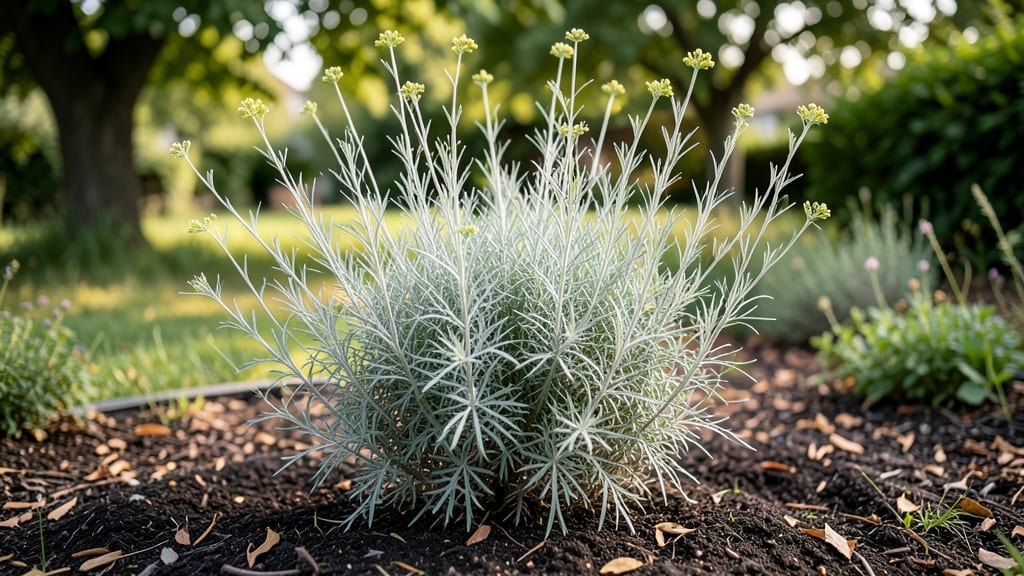
French tarragon is a perennial in USDA zones 4–8, though it often dies back to the ground in winter before regrowing from its hardy root crown. Cold hardiness and proper winter care determine its survival as a true perennial rather than an annual.
French tarragon's winter dormancy might fool you into thinking it's an annual, but its underground root system stays alive through cold snaps. 🔥 The key difference between perennials and annuals is this root crown—it stores energy and sends up new growth when temperatures rise.
In my garden, I've seen it bounce back stronger after winter mulching, proving it's built for resilience.
What sets French tarragon apart is its semi-hardy nature—it thrives in colder zones but needs protection from extreme freezes. Unlike true annuals that complete their life cycle in one season, this herb lies dormant until spring, making it a low-maintenance perennial once established.
The secret lies in proper winter care and understanding its natural growth cycle.
💡 In This Article
- Why French Tarragon Dies Back but Returns Stronger Each Year
- How to Protect French Tarragon Over Winter for Reliable Regrowth
Why French tarragon dies back but returns stronger each year
French tarragon's winter dieback is actually a survival strategy, not a sign of weakness. This herb enters dormancy when temperatures drop below 20°F, causing its above-ground stems to brown and collapse.
However, the real magic happens underground—its thick, woody root crown (about 1-2 inches in diameter) stores carbohydrates and remains metabolically active, even at -10°F in protected conditions. This root system is what classifies it as a true perennial, not an annual.
The science behind this involves a process called "cold acclimation." As fall temperatures drop, French tarragon increases its production of antifreeze proteins and sugars in its roots, which prevent ice crystal formation and cellular damage. These protective compounds allow the root crown to survive winter while remaining dormant.
When spring arrives and soil temperatures reach 45°F, the root crown detects the change and begins sending up new shoots within 2-3 weeks. 💫
What makes this herb's return so impressive is its rebound growth—often stronger than previous years. This happens because the root crown has had time to store more energy during its dormancy.
Unlike annuals that must grow from seed each year, French tarragon's established root system gives it a head start, allowing it to reach maturity faster. In my experience, well-established plants can produce 20-30% more foliage in their second year compared to their first.
This dieback behavior differs from true annuals because annuals complete their entire life cycle in one growing season. French tarragon, however, has evolved to prioritize root survival over aboveground growth during harsh winters.
The trade-off is worth it—this strategy allows it to live for 5-10 years or longer with proper care, unlike annuals that must be replanted each spring.
One fascinating aspect is how French tarragon's growth pattern compares to other perennials. While many herbs like rosemary or thyme maintain some green foliage through winter, French tarragon's complete dieback is more similar to hardy perennials like peonies or hellebores.
The difference is that these woody perennials have thicker stems, while French tarragon relies entirely on its root crown for survival—a testament to its specialized adaptation to temperate climates.
For gardeners, understanding this cycle explains why French tarragon often appears "dead" in winter but returns with vigor. The key takeaway is that this dieback isn't a problem—it's proof the plant is following its natural survival strategy.
Proper winter care simply helps ensure the root crown remains healthy and ready to send up new growth when conditions improve. 🌱