
Flowers
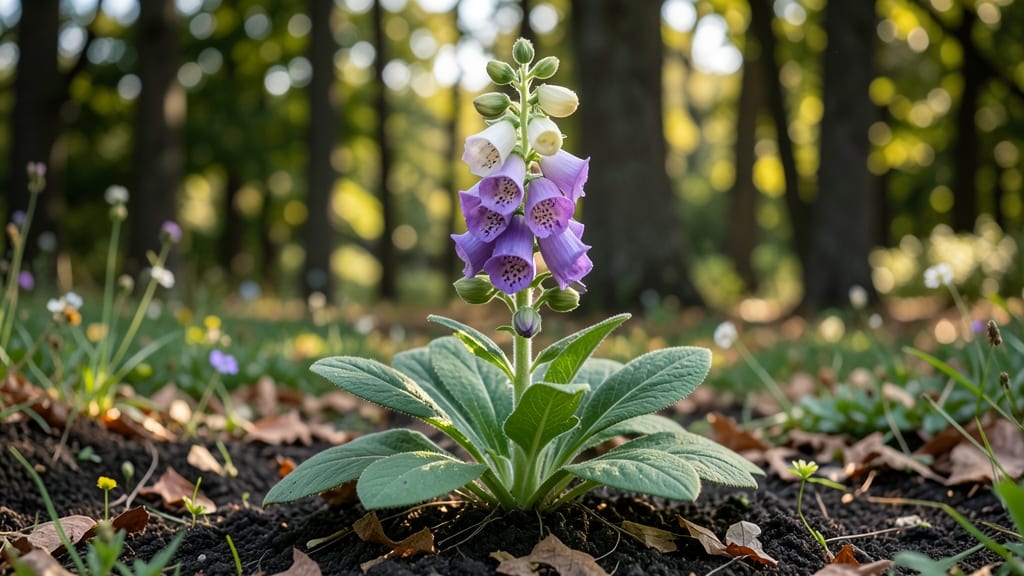
Foxglove is a perennial in USDA zones 5-8, thriving for multiple years with proper care, though its lifespan varies by cultivar and environmental conditions. In colder climates, it may die back but often regrows from seed or roots if protected.
Foxglove's perennial nature means it returns year after year, but its resilience depends heavily on where you live. 🌱 In milder zones like 6-8, these striking plants often establish deep roots and grow reliably for 3-5 years or longer with minimal care.
However, in zone 5—especially during harsh winters—they may look dormant but frequently bounce back from their base once temperatures warm. The key lies in protecting them from late-season frost and providing well-draining soil to prevent rot during winter dormancy.
What sets foxglove apart is its ability to self-seed prolifically, ensuring new plants appear even if the parent dies back. This makes it a low-maintenance perennial once established, though some gardeners prefer to divide mature clumps every few years to maintain vigor.
The trade-off? Their stunning bell-shaped flowers make the effort worthwhile for any shade garden.
💡 In This Article
- Foxglove’s Perennial Lifespan in Different Climates
- Extending Foxglove’s Perennial Growth with Care Tips
Foxglove’s perennial lifespan in different climates
Foxglove's perennial status hinges on its cold hardiness and ability to enter seasonal dormancy. In USDA zones 6-8, where winter temperatures rarely drop below 10°F, foxglove establishes robust root systems that persist year-round.
The plants develop deep taproots that store nutrients, allowing them to regenerate foliage each spring from the same base. This is why you'll often see foxglove in cottage gardens returning faithfully for 5+ years with minimal intervention.
The real story unfolds in zone 5, where winter temperatures can plunge to -10°F or lower. Here, foxglove's aboveground growth typically dies back completely, but the roots remain viable beneath the frost line.
The plant's survival mechanism involves dormancy hormones that trigger in response to shortening daylight and dropping temperatures.
These hormones cause the plant to redirect energy from leaf production to root storage, creating a biological "safety net" that can regenerate when conditions improve. 🌿 Some hardier cultivars like Digitalis purpurea (common foxglove) handle these conditions better than others.
What most gardeners don't realize is that foxglove's dormancy period actually extends its lifespan. During winter, the plant undergoes a form of cold acclimation where cell membranes adjust to prevent ice crystal formation in tissues.
This process is similar to how some trees survive winter - the plant essentially "freeze-proofs" its cellular structure. When spring arrives, the roots detect rising temperatures and moisture levels, triggering new shoot growth from the crown.
The variability between foxglove cultivars becomes apparent in zone 5 gardens. For instance, Digitalis grandiflora (yellow foxglove) tends to be slightly more cold-tolerant than its purple relatives, often showing earlier spring regrowth. Meanwhile, Digitalis ferruginea (rusty foxglove) may struggle in the coldest zone 5 winters, requiring additional winter protection.
The key difference lies in their native habitats - species from higher elevations naturally evolved greater cold resistance.
Seasonal dormancy also plays a crucial role in foxglove's ability to self-seed prolifically. As the plant prepares for winter, it produces viable seeds that remain dormant until spring's warmth triggers germination.
This natural propagation strategy explains why foxglove often appears in unexpected garden corners - the seeds can lie dormant for years before conditions become favorable. In zone 5, this self-seeding becomes particularly valuable as it creates a built-in backup system when mature plants fail to regrow.
For gardeners in zone 5, understanding this dormancy cycle is crucial for long-term success. The plant's ability to regenerate from roots means that even if the foliage dies back completely, the garden isn't necessarily losing the foxglove permanently.
With proper winter care - like adding 3-4 inches of mulch after the ground freezes - you can significantly improve the chances of spring regrowth. 🌱 This makes foxglove an excellent choice for gardeners who want perennial beauty without the maintenance of more delicate plants.