
Flowers
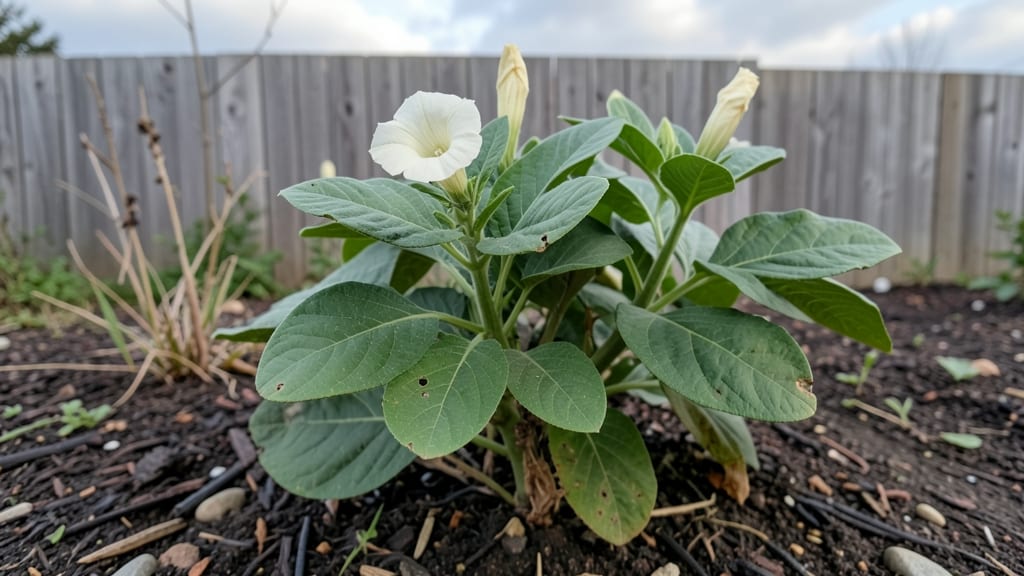
Four o'clock flowers act as perennials only in warm climates (USDA zones 10-12), while they grow as tender annuals in cooler regions, dying back completely when frost arrives. Their ability to self-seed prolifically often leads to natural regrowth if conditions remain favorable.
This behavior comes down to their tropical origins—four o'clocks thrive where winters are mild, allowing their roots to persist through seasons. 🌿 In cooler zones, their top growth freezes, but the seeds they drop often sprout again once temperatures rise.
That's why many gardeners in zones 7-9 still see them return year after year, even if they're technically classified as annuals.
What's interesting is how their growth patterns adapt: in frost-free areas, they'll keep blooming continuously, while northern growers must either treat them as annuals or take special steps to protect them through winter.
The key difference lies in their root systems—perennial varieties develop deeper, more resilient roots that survive winter dormancy.
💡 In This Article
- Four O'Clock Flower Lifespan by Hardiness Zone
- Tips for Extending Four O'Clock Flower Growth in Cold Climates
Four o'clock flower lifespan by hardiness zone
The four o'clock flower's growth cycle hinges on temperature thresholds that trigger its perennial or annual behavior. In USDA zones 10-12, where winter temperatures rarely drop below 40°F, these plants develop robust root systems that persist year-round.
Their deep taproots (reaching 2-3 feet deep) store carbohydrates during dormancy, allowing regrowth when conditions improve. This is why they behave as true perennials in frost-free climates—continuous growth without annual replanting.
In cooler zones (7-9), the story changes dramatically.
When nighttime temperatures fall below 32°F, the above-ground foliage and stems die back completely, but the roots often survive in milder winters. 💫 What's fascinating is their seed production: a single plant can release 500-1,000 seeds per season, which explains why they frequently return naturally even when treated as annuals.
The key difference lies in their root resilience—while perennial varieties in warm zones develop thickened root crowns, cooler-climate plants prioritize energy toward seed production over winter survival.
Here's what actually happens in zones 4-6: the entire plant freezes solid, but the seeds remain viable in the soil for up to 3 years under ideal conditions. This dormancy mechanism is similar to other tropical plants like hibiscus, which sacrifice above-ground growth for seed preservation.
The trade-off is clear: in colder regions, four o'clocks have evolved to maximize reproductive success rather than perennial survival—a classic example of environmental adaptation in plant biology.
What most gardeners don't realize is how soil temperature affects this behavior. Even in zone 7, where winter lows might reach 15°F, four o'clock roots can survive if protected by 4-6 inches of mulch.
The critical factor isn't just air temperature but soil temperature—roots remain active until the ground freezes solid. This explains why some gardeners in marginal zones see sporadic returns: protected roots sometimes survive to produce new growth when spring arrives.
For a concrete example, consider Miami (zone 11) versus Chicago (zone 5). In Miami, four o'clocks grow continuously, reaching heights of 3-5 feet with multiple bloom cycles. In Chicago, they'll grow to 2-3 feet in summer but vanish entirely by November—unless you take special measures.
The difference comes down to this: perennial growth requires consistent warmth, while annual behavior is a survival strategy for unpredictable cold.
One unexpected detail is their response to partial frost. Even in zone 8, where winters might dip to 20°F, four o'clocks often survive if the frost isn't prolonged. Their leaves may turn black, but the roots frequently regenerate when temperatures rise above 50°F.
This partial resilience is why some gardeners in transitional zones report "volunteer" plants appearing year after year—even when they didn't intentionally replant seeds.