
Flowers
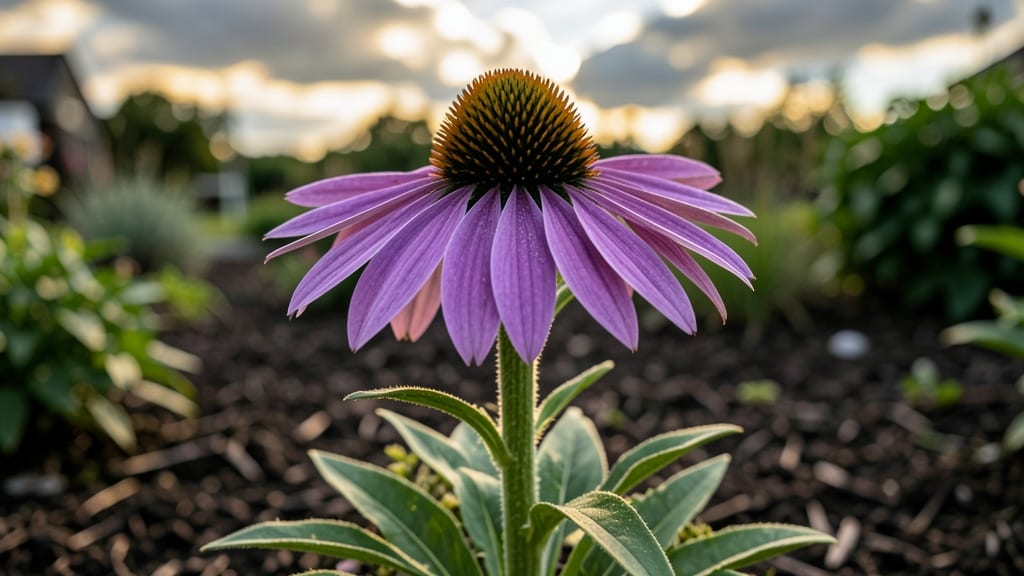
Echinacea is a perennial plant that thrives year after year, dying back to the ground in winter but regrowing from its deep root system each spring with proper care.
This hardy herb isn't just a one-season wonder—its taproot system stores nutrients underground, allowing it to bounce back stronger after winter dormancy. 🌱 Different varieties handle cold differently; for example, purple coneflower (Echinacea purpurea) often survives colder zones than narrowleaf echinacea (Echinacea angustifolia).
The key to its longevity lies in that root network, which can extend 2-3 feet deep, making it far more resilient than annuals or biennials that rely on seeds or shallow roots.
What sets echinacea apart is how it manages its lifecycle. While other perennials might struggle in harsh winters, echinacea's roots act like a built-in survival kit, storing energy for spring regrowth.
This is why gardeners often see their echinacea plants return year after year with minimal effort—just clear away dead foliage in late winter and feed the soil before new growth appears. The plant's ability to recover from dieback makes it a favorite for low-maintenance gardens.
💡 In This Article
- How Echinacea’s Root System Ensures Perennial Growth
- Year-Round Care for Echinacea Perennials
How echinacea’s root system ensures perennial growth
The secret to echinacea's perennial survival lies in its deep taproot system, which can extend 2-3 feet underground. This root structure stores carbohydrates and nutrients during winter dormancy, acting like a natural battery.
Unlike annuals that complete their lifecycle in one season, echinacea's roots remain dormant but viable, ready to push new growth when temperatures rise. 🌱
Different echinacea species vary in cold hardiness due to root depth and storage capacity. For example, purple coneflower (Echinacea purpurea) typically thrives in USDA zones 3-9, thanks to its robust root system that can withstand -20°F to -30°F temperatures.
In contrast, narrowleaf echinacea (Echinacea angustifolia) prefers drier climates and zones 4-8, with roots adapted to conserve moisture during droughts. The root's ability to regenerate from even small fragments further ensures survival.
This biological adaptation explains why echinacea often outlasts other garden plants. The taproot's vascular system remains active even during dormancy, allowing it to transport stored nutrients to emerging shoots in spring. This is why gardeners rarely need to replant echinacea—once established, it can persist for decades with minimal intervention.
The plant's ability to self-regulate growth based on soil moisture and temperature further enhances its resilience.
What most people don't realize is how echinacea's root system interacts with soil microbes. The roots form symbiotic relationships with mycorrhizal fungi, which help break down organic matter into usable nutrients.
This microbial partnership creates a nutrient-rich zone around the roots, giving echinacea a competitive advantage over shallow-rooted annuals that rely solely on surface soil. The deeper the roots, the more stable the plant becomes during environmental stress.
For gardeners, this means choosing the right echinacea variety for your climate is crucial. Purple coneflower handles wetter soils better, while narrowleaf varieties prefer well-drained conditions. The root's ability to tap into deeper water sources explains why echinacea often thrives in poor-quality soils where other perennials might struggle.
This hardiness makes it an excellent choice for pollinator gardens that require low-maintenance plants.
Understanding this root system also explains why echinacea rarely needs division. Unlike some perennials that become overcrowded, echinacea's deep roots allow it to spread naturally without competing with itself for nutrients.
The plant's natural growth pattern creates a self-sustaining ecosystem that benefits both the plant and surrounding wildlife, including bees and butterflies that rely on its flowers.
In summary, echinacea's perennial nature isn't just about surviving winter—it's about thriving through strategic biological adaptations that make it one of the most resilient garden plants.
The taproot system's ability to store nutrients, regulate growth, and form beneficial microbial relationships creates a perfect storm of survival mechanisms that annuals simply can't match. 💛