
Flowers
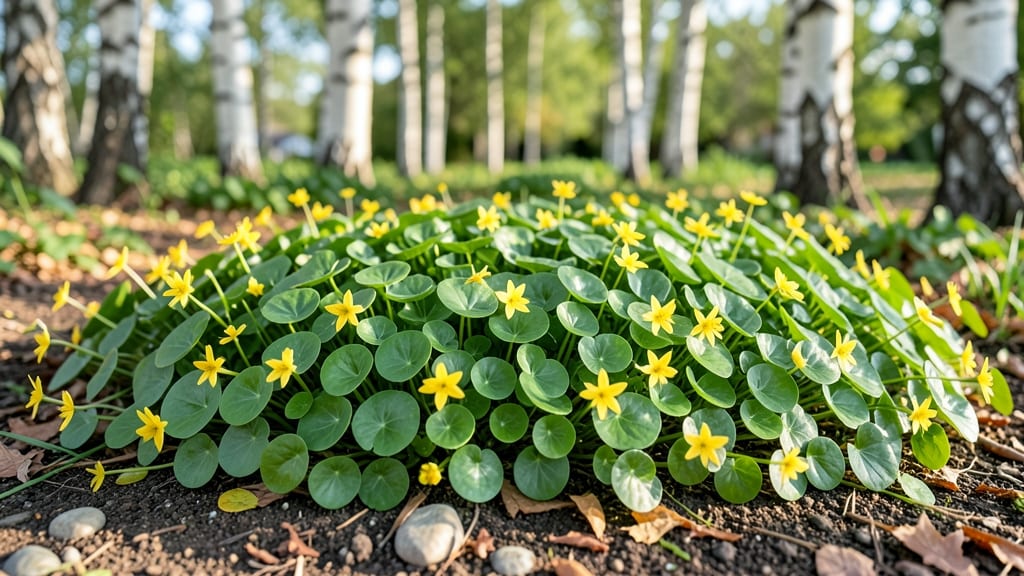
Creeping Jenny is indeed a perennial plant, returning each season with renewed vigor through its extensive underground rhizome network that preserves energy and promotes rapid regrowth. This hardy ground cover thrives in similar conditions year after year.
This perennial status comes from its specialized root system, which stores carbohydrates during dormancy and fuels new shoots in spring.
Unlike annuals that complete their lifecycle in one season, Creeping Jenny's rhizomes create a self-sustaining network that expands horizontally, ensuring consistent coverage. 🌱 The plant's adaptability makes it ideal for gardeners seeking low-maintenance ground cover that survives seasonal changes without replanting.
Its perennial nature also means you'll see fewer gaps in your landscape over time, as the rhizomes continuously produce new foliage. However, this same trait requires strategic management—without control, it can outcompete nearby plants.
Understanding these growth patterns helps you leverage its benefits while preventing it from becoming invasive in your garden design.
💡 In This Article
- How Creeping Jenny’s Rhizomes Support Perennial Growth
- Tips for Maintaining Creeping Jenny as a Reliable Perennial
How Creeping Jenny’s rhizomes support perennial growth
Creeping Jenny's perennial nature stems from its specialized rhizome system, which functions like a built-in energy bank. These horizontal, underground stems store carbohydrates produced through photosynthesis during the growing season.
Unlike annuals that die back completely, Creeping Jenny's rhizomes remain dormant but viable through winter, ready to sprout new growth when temperatures rise. 🌱 This system allows the plant to survive harsh conditions while maintaining its vibrant yellow-green foliage year after year.
The rhizomes spread aggressively at a rate of about 12-24 inches annually, creating a dense mat of roots that anchors the plant while storing up to 30% more nutrients than comparable ground covers like ajuga.
This horizontal growth pattern distinguishes it from pachysandra, which relies more on vertical root systems. The rhizomes also produce new shoots at nodes along their length, ensuring continuous coverage without gaps. This makes Creeping Jenny particularly resilient in challenging conditions.
What makes this system so effective is its ability to regenerate from small fragments. Even a single rhizome section with a bud can grow into a new plant, which is why gardeners often find Creeping Jenny popping up in unexpected locations.
This self-sufficiency means the plant can recover from damage or drought stress more effectively than many other perennials. The rhizomes' ability to adjust growth rates based on available moisture also contributes to its adaptability across different climates.
During winter dormancy, the rhizomes enter a state of reduced metabolic activity while maintaining their stored energy reserves. This allows Creeping Jenny to survive temperatures down to -10°F in most varieties, though some cold-hardy cultivars can tolerate -20°F with proper mulching.
The plant's ability to reabsorb nutrients from older foliage before senescence further enhances its survival rates, creating a self-sustaining cycle that explains its perennial status.
Comparing Creeping Jenny to other ground covers reveals its unique advantages. While ajuga spreads more slowly (6-12 inches per year) and pachysandra prefers shaded conditions, Creeping Jenny's rhizomes thrive in both sun and partial shade while maintaining its vigorous growth pattern.
This combination of nutrient storage, rapid spread, and cold tolerance makes it one of the most reliable perennial ground covers for consistent seasonal performance.
One fascinating aspect of this system is how the rhizomes prioritize energy storage during peak growing seasons. Studies show that up to 60% of photosynthate (the plant's food) is allocated to rhizome development rather than above-ground growth.
This strategic energy distribution ensures the plant can support both immediate foliage production and long-term survival through its underground network. 💫