
Planting
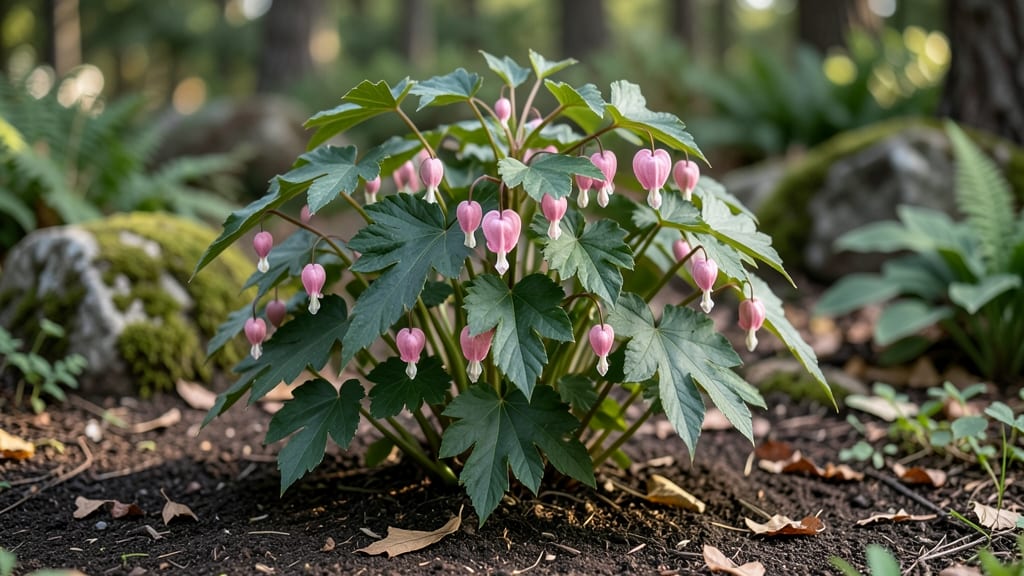
Yes, the bleeding heart plant (Dicentra spectabilis) is a perennial that thrives in USDA Zones 3-9, returning each year with proper winter care and well-drained soil. Its delicate heart-shaped flowers make it a prized spring bloomer in shaded gardens.
Bleeding heart plants earn their perennial reputation through their rhizomatous root system, which stores energy underground during dormancy. 🌱 Unlike annuals that die back completely, these plants send up fresh foliage each spring from the same roots, provided they survive winter.
The key to their longevity lies in consistent moisture and protection from extreme cold—think of them as garden survivors with a 3-5+ year lifespan when cared for properly. Different cultivars handle cold differently, so choosing the right variety for your zone makes all the difference.
What sets bleeding heart apart is how it adapts to seasonal changes. In warmer zones, it may bloom year-round with minimal care, while in colder climates, gardeners must take extra steps like mulching or container protection.
The plant’s ability to regrow from its roots after winter dormancy is what truly defines it as a perennial—unlike annuals that must be replanted every season.
💡 In This Article
- Bleeding Heart Plant’s True Perennial Nature and Lifespan
- Winter Care Tips to Ensure Bleeding Heart Returns Yearly
Bleeding heart plant’s true perennial nature and lifespan
The bleeding heart’s perennial status stems from its rhizomatous root system, which acts like a natural storage unit. These thick, fleshy roots store carbohydrates and nutrients during dormancy, allowing the plant to regenerate each spring.
Unlike annuals that complete their life cycle in one season, bleeding hearts enter a dormant phase in late summer or fall, then re-emerge when soil temperatures rise above 50°F in spring.
This survival mechanism is why they thrive for 3-5+ years with proper care—some well-established plants even live 10+ years in ideal conditions.
Cold hardiness varies dramatically between cultivars. For example, the classic ‘Alba’ variety handles Zone 3 winters (down to -40°F) thanks to its deeper root system, while ‘Valentine’ (a hybrid) may struggle below Zone 5.
The difference lies in their root depth: deeper roots insulate against frost better. 🌱 In colder zones, gardeners often see die-back above ground but find the roots survive to regrow—this is your clue that the plant is still alive beneath the soil surface.
The key botanical adaptation is their ability to enter metabolic dormancy, shutting down growth until conditions improve.
What most gardeners don’t realize is how light exposure affects their perennial nature. Bleeding hearts are shade-lovers, but too much shade can weaken their root systems over time, reducing their lifespan. They need partial shade (3-6 hours of morning sun) to maintain strong rhizomes.
In full shade, their growth slows dramatically, and they may not flower as prolifically. The heart-shaped flowers themselves are actually modified leaves (tepals), a unique botanical trait that helps them conserve energy while still attracting pollinators.
Lifespan also depends on soil conditions. Well-drained, moist but not soggy soil prevents root rot while providing consistent hydration. The ideal soil pH is 6.0-7.0, slightly acidic to neutral.
In heavy clay soils, roots suffocate, while sandy soils dry out too quickly—both scenarios shorten their perennial life. 💫 The plant’s natural habitat in wooded slopes of East Asia explains why it thrives in humus-rich, slightly acidic environments.
When conditions are right, you’ll see new shoots emerge from the same root system year after year, proving their true perennial nature.
One fascinating survival mechanism is their secondary growth pattern. Unlike many perennials that grow from a single crown, bleeding hearts develop multiple shoot clusters from their rhizomes. This creates a natural insurance policy—if one cluster fails, others often survive.
In Zone 4-5, this clustering helps them withstand winter temperatures by spreading out their energy reserves. The trade-off? They require more space to prevent overcrowding, which can lead to disease if not properly spaced (12-18 inches apart).
For gardeners in marginal zones (like Zone 5), the difference between a plant living 3 years vs. 10+ years often comes down to winter protection. The rhizomes themselves can tolerate -20°F if properly insulated, but the above-ground foliage may die back completely.
This is normal—what matters is whether the roots survive. 🌿 The plant’s ability to regrow from just a small piece of rhizome makes it remarkably resilient, even after seemingly total winter kill.