
Planting
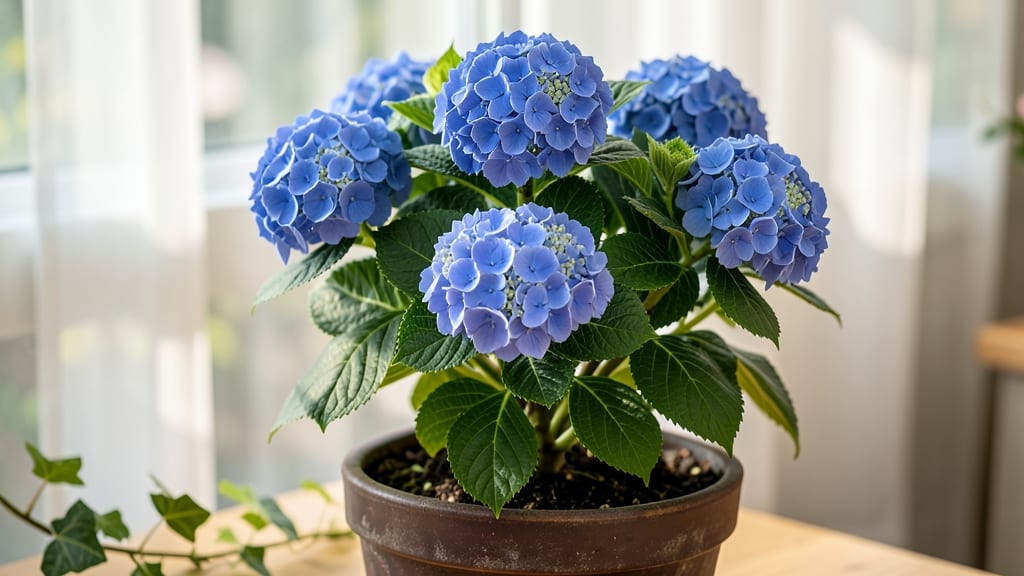
Whether hydrangea plants are annuals or perennials depends on your climate: most thrive as perennials through winter via nutrient-storing underground rhizomes, while tropical varieties die back annually if frost hits. Cold-hardy species simply regrow each spring from dormant roots.
Understanding this comes down to two key factors: rhizome resilience and hardiness zones. 🌱 Most hydrangeas—like the popular bigleaf (Hydrangea macrophylla)—store energy in their woody underground stems, allowing them to push new growth when temperatures rise.
Tropical types, however, lack this cold tolerance, so they're effectively annuals in chilly regions. Even perennials need winter protection in Zone 5 or colder, where mulching and burlap wraps can make all the difference.
Here's what I've learned from years of growing them: pruning at the right time (late summer for blooms next year) and well-draining soil prevent rhizome rot, which can turn perennials into one-season wonders.
The secret? Treat your hydrangea like a dormant powerhouse—it's not dead in winter, just waiting for its cue to spring back.
💡 In This Article
- How Hydrangea Rhizomes Determine Lifespan
- Best Practices for Extending Hydrangea Lifespan
How hydrangea rhizomes determine lifespan
Hydrangea plants rely on their rhizomes—thick, woody underground stems—to store carbohydrates, proteins, and moisture during dormancy. These specialized stems act like natural batteries, converting sunlight energy into starches that fuel regrowth in spring.
For cold-hardy species like Hydrangea paniculata (panicle hydrangea), rhizomes can survive -20°F to -30°F thanks to protective layers of bark and insulating soil. The key difference? Tropical varieties like H. macrophylla (bigleaf hydrangea) store less reserve energy and lack the same cold tolerance, making them annuals in frost-prone areas.
The rhizome's structure is fascinating: it contains vascular bundles that transport nutrients between roots and shoots, while specialized cells called parenchyma store starch granules. When temperatures drop below 40°F, these cells activate dormancy hormones like abscisic acid, slowing metabolism to 5-10% of normal rates.
This biological trick allows perennial hydrangeas to "hibernate" underground while tropical types simply wither above ground. The rhizome's depth matters too—deeper ones (6-12 inches) access more stable soil temperatures, protecting against freeze-thaw cycles.
USDA hardiness zones play a critical role in determining whether your hydrangea behaves as a perennial or annual. For example, H. paniculata thrives in Zones 3-8, while H. macrophylla needs Zones 6-9.
The transition zone (Zone 5) is where things get tricky: a 3-inch layer of mulch can raise soil temps by 5-10°F, potentially saving tropical varieties from frost damage.
Even in cold climates, the rhizome's ability to regenerate from just 1-inch root segments gives gardeners multiple chances to revive seemingly dead plants.
What most gardeners don't realize is how rhizome health affects flowering. The previous year's growth stores nutrients that determine next season's bloom size—this is why over-pruning in late winter can starve the plant.
For instance, cutting back H. paniculata to the ground in Zone 4 might seem drastic, but the rhizome's stored energy ensures vigorous regrowth. In contrast, tropical hydrangeas have shallower rhizomes (3-6 inches deep) with less reserve capacity, making them far more vulnerable to winter dieback.
Consider this comparison: a healthy H. paniculata rhizome can weigh 0.5-1 pound and extend 2-3 feet underground, while a tropical variety's rhizome might weigh only 0.1-0.3 pounds with half the length. This size difference explains why panicle hydrangeas bounce back from cold snaps while bigleaf types often need winter protection.
The rhizome's ability to regenerate from multiple nodes also means even damaged sections can produce new shoots—nature's built-in insurance policy.
Here's a pro tip: if you're growing hydrangeas in marginal climates (like Zone 5), focus on H. arborescens (smooth hydrangea) varieties—their rhizomes contain 20% more starch reserves than bigleaf types, making them more cold-resistant.
For tropical varieties, container growing with winter indoor migration becomes essential, as the rhizome's limited energy reserves can't sustain outdoor survival.