
Flowers
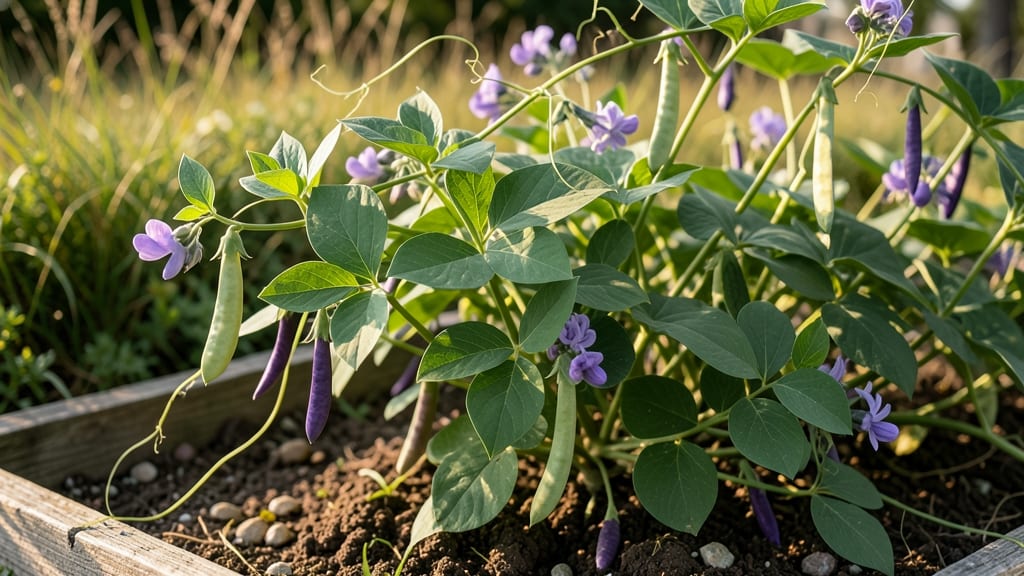
Determining whether a hyacinth bean vine is annual or perennial reveals a fascinating survival trick: while the plant itself dies back yearly, its tough roots remain dormant underground, tricking many gardeners into believing it's a true perennial.
The confusion stems from the vine's tuberous root system, which stores energy like a natural battery. 🌱 When temperatures drop, the above-ground foliage withers, but the roots stay alive in the soil—ready to sprout again when spring arrives.
This behavior explains why some gardeners see regrowth year after year without realizing the plant isn't actually winter-hardy beyond its root zone. The key difference from true perennials is that hyacinth bean vines lack the deep, woody stems that survive harsh winters intact.
Understanding this lifecycle helps gardeners make better decisions about overwintering strategies. For example, mulching heavily in zones 8-10 can protect roots during mild winters, while in colder climates, digging up and storing roots may be necessary.
The vine's ability to regrow from the same roots each spring makes it feel perennial, but frost always signals the end of its annual growth cycle.
💡 In This Article
- Why Hyacinth Bean Vines Appear Perennial
- How to Encourage Annual Hyacinth Bean Vine Regrowth
Why hyacinth bean vines appear perennial
The hyacinth bean vine (Lablab purpureus) tricks gardeners into thinking it's a perennial because of its tuberous root system, which functions like a built-in energy reserve. These thick, fleshy roots store carbohydrates and nutrients during the growing season, allowing the plant to survive harsh conditions.
Unlike true perennials that develop woody stems or deep root networks, hyacinth beans rely entirely on these roots to regenerate each spring. 🌱 When temperatures drop below 32°F, the above-ground growth dies back completely, but the roots remain dormant in the soil, waiting for warmer conditions.
This survival mechanism is similar to sweet potatoes or dahlias, which also produce tuberous roots. The hyacinth bean's roots can persist for 3-5 years underground if conditions remain stable, giving the illusion of perennial behavior.
In USDA hardiness zones 9-11, where winters are mild, these roots often survive without protection, leading gardeners to assume the plant is winter-hardy. However, in colder zones (7 and below), even the roots may freeze without proper insulation or protection.
The confusion arises because true perennials have woody stems or crowns that survive winter intact, while hyacinth beans rely solely on their roots. When spring arrives, the roots send up new shoots, creating the appearance of regrowth from the same plant.
This process is called vegetative propagation from tubers, and it's why gardeners might see hyacinth beans return year after year without replanting seeds. 💫
Cold hardiness plays a critical role in this behavior. While the roots can tolerate brief exposure to 20-25°F, prolonged freezing (below 15°F) will kill them.
This is why gardeners in colder climates often need to dig up and store roots over winter, treating them like annuals despite their perennial-like regrowth habits. The key difference is that true perennials regenerate from living tissue, while hyacinth beans rely on stored energy in their roots.
Another factor is the plant's dormancy cycle, which is triggered by temperature and daylight changes. As days shorten in fall, the vine stops producing new growth and redirects energy to its roots.
This stored energy fuels the first flush of spring growth, often within 2-4 weeks of soil temperatures reaching 60°F. The rapid regrowth is what makes it feel like a perennial, even though the plant itself is technically annual.
Gardeners often mistake this behavior for true perennialism because they observe the same plant returning year after year without replanting. However, what's actually happening is that the roots are surviving and producing new growth each spring—just like how a sweet potato can regrow from a stored tuber.
The lack of woody stems or persistent foliage is the giveaway that this vine is annual at its core. ✨
Understanding this biology helps explain why some gardeners see hyacinth beans thrive for years in the same spot while others struggle to get them to return. The difference often comes down to winter protection and root health.
With proper care, these roots can indeed persist for multiple growing seasons, creating the illusion of perennial behavior in a plant that's fundamentally annual.