
Flowers
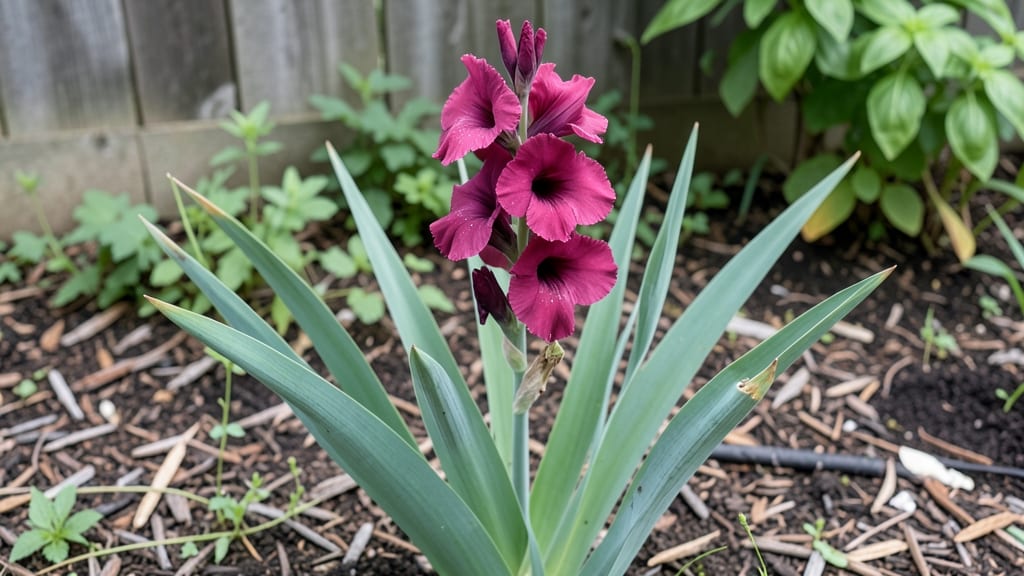
Whether gladiolus flowers are perennial or annual depends on your climate—most act as tender perennials, dying back in winter but regrowing from corms if temperatures stay above freezing. In colder zones, they’re treated as annuals due to frost sensitivity, though their corms can persist underground for years under ideal conditions.
This behavior stems from their underground storage system: gladiolus corms store energy like bulbs but aren't as hardy as true perennials like peonies. 🌱 In mild winters, they naturally re-emerge each spring, while colder climates require gardeners to dig and store them.
The key difference lies in their root structure—gladiolus rely on corms rather than deep root systems to survive seasonal changes.
For gardeners in frost-prone areas, proper overwintering becomes critical. Storing corms in dry sand or peat moss at 40-50°F prevents rot, while replanting too early risks frost damage. I’ve found that staggered planting—adding new corms every few weeks—extends bloom seasons naturally, even in colder zones.
💡 In This Article
- Gladiolus Corm Life Cycle Explained
- How to Overwinter Gladiolus in Cold Climates
Gladiolus corm life cycle explained
Gladiolus corms function like nature's built-in survival pods, storing starches and nutrients to fuel regrowth each season. Unlike true perennials such as peonies—which develop extensive root systems to endure winter—their survival hinges on these modified underground stems.
When temperatures drop below 25°F, the corm's protective layers harden, triggering dormancy. This adaptation explains why they thrive in USDA Zones 7-10 but struggle in colder regions.
The corm's structure is fascinating: its outer skin acts as a moisture barrier while inner cells swell with stored energy—up to 20% of its weight in starches. This reserve sustains new shoots when spring warmth reaches 50°F.
The key difference from true perennials lies in their shallow root system—gladiolus roots grow only 12-18 inches deep, making them vulnerable to frost penetration. 🌱
Here's what happens biologically: When frost hits, the corm's cells release protective sugars that act like antifreeze, preventing ice crystal formation. However, prolonged exposure below 20°F disrupts this process, causing cellular damage.
This explains why gardeners in Zone 5 must dig corms before winter—unlike peonies that can survive -20°F with their deep roots, gladiolus corms simply can't withstand such extremes.
What most gardeners don't realize is the corm's seasonal transformation. After blooming, the old corm shrinks while a new one forms on its side—a process called "cormel" development. These baby corms store energy for next year's growth.
In ideal conditions, a single corm can produce 3-5 cormels annually, creating a natural propagation system. This explains why gladiolus can persist for years even when treated as annuals.
Comparing to peonies highlights the survival strategy differences. Peonies develop thick, woody roots that penetrate 3-4 feet deep, accessing groundwater during droughts. Gladiolus, however, rely on their corms' concentrated energy stores and shallow roots to quickly establish new growth when conditions improve.
This makes them more adaptable to disturbed soils but less resilient to extreme cold.
The temperature threshold for dormancy begins at 40°F—below this, metabolic activity slows dramatically. This is why gardeners in marginal zones (like Zone 6) often see partial winter dieback even when corms survive.
The corm's ability to regenerate depends entirely on maintaining this energy reserve through careful storage or natural insulation from mulch.
Understanding this cycle explains why gladiolus behave differently across climates. In warm zones, they naturally re-emerge each spring from undisturbed corms. In colder areas, their annual treatment becomes a gardening necessity rather than a biological limitation.
The corm's remarkable energy storage system makes them more resilient than most realize—but only when protected from freezing.