
Flowers
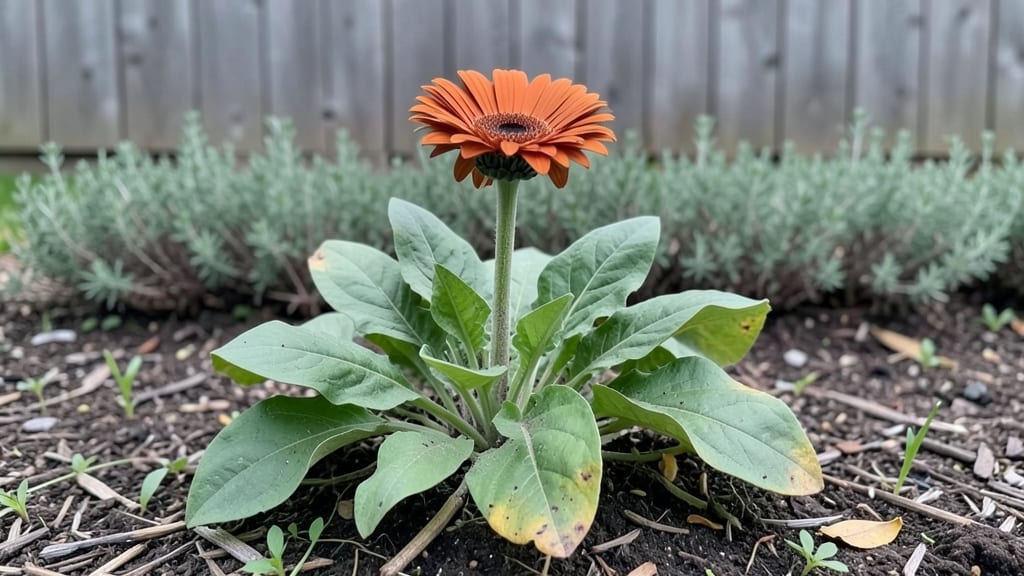
Gerbera plants can thrive as perennials in USDA zones 8 through 11, where mild winters prevent frost damage and allow them to regrow each spring. In colder regions, they require special care to survive beyond one season.
These vibrant flowers naturally return year after year in frost-free zones because their tuberous roots store energy through winter. 🌸 In colder areas, I've found that moving gerberas indoors before the first frost—around 50°F—gives them the best chance to regrow.
The key is keeping them in a cool, dark spot with just enough moisture to prevent drying out, then repotting in spring when temperatures warm.
What sets gerberas apart is their ability to adapt: even in non-native zones, proper overwintering can turn a one-season plant into a multi-year favorite. Just remember—these tropical beauties need consistent care, whether they're braving the outdoors or hibernating indoors.
💡 In This Article
- USDA Zones Where Gerbera Daisies Thrive Year-Round
- Overwintering Gerbera Plants in Cold Climates
USDA zones where gerbera daisies thrive year-round
Gerbera daisies naturally establish themselves as perennials in USDA zones 8 through 11 because these regions maintain winter temperatures above 20°F, protecting their delicate tuberous roots from frost damage.
The key threshold is 32°F—when temperatures drop below this, the plant's water content freezes and ruptures cell walls, causing irreversible damage. In zone 11, where winters rarely fall below 40°F, gerberas experience minimal stress and can bloom continuously with proper care.
The plant's native habitat in South Africa's high-altitude regions (5,000-9,000 feet) has adapted to cool nights (50-60°F) and warm days (75-85°F), which explains why zone 8's 10-15°F winters are the coldest they can tolerate.
What's fascinating is how their growth cycle synchronizes with daylight: in zones 8-11, they enter a natural dormancy during winter's shorter days (10 hours of light), conserving energy until spring's longer photoperiods trigger regrowth.
This adaptation is why they struggle in colder zones where light reduction coincides with freezing temperatures.
Here's what happens in colder climates: when gerberas experience below-freezing temperatures for more than 24 hours, their tuberous roots—where they store nutrients—become mushy and blackened from fungal growth. The plant's above-ground foliage may appear resilient until it suddenly wilts, signaling internal damage.
In zone 7 (0-10°F winters), I've seen gerberas survive one winter if protected, but their tubers often shrivel by spring, unable to regenerate.
Seasonal light changes play a crucial role in their perennial success. Gerberas require 6-8 hours of direct sunlight daily for optimal flowering, but in zones 8-11, winter's reduced sunlight (10 hours/day) triggers their dormancy phase. This natural cycle ensures they conserve energy when temperatures drop.
In contrast, colder zones' shorter winters mean plants attempt regrowth too early, depleting their energy reserves before spring arrives—this is why they often fail to rebloom in subsequent seasons.
Consider these climate-specific growth patterns: in zone 10 (30-40°F winters), gerberas may bloom year-round with minimal dormancy, while zone 8 plants (10-15°F winters) enter deeper dormancy, requiring 3-4 months of reduced watering.
The plant's vibrant color intensity also varies by zone—zone 11 gerberas develop deeper reds and oranges due to higher UV exposure, while zone 8 varieties often produce softer pinks and yellows as a sun protection mechanism.
The science behind their perennial success in warm zones involves their tuber's ability to maintain 50-60% moisture content during dormancy. When winter temperatures stay above 20°F, the tubers remain firm and viable, ready to sprout when spring's 60°F+ soil temperatures trigger root regrowth.
This biological adaptation explains why gerberas can live 3-5 years as perennials in ideal conditions, compared to just 1-2 years in colder zones without intervention. 🌿