
Planting
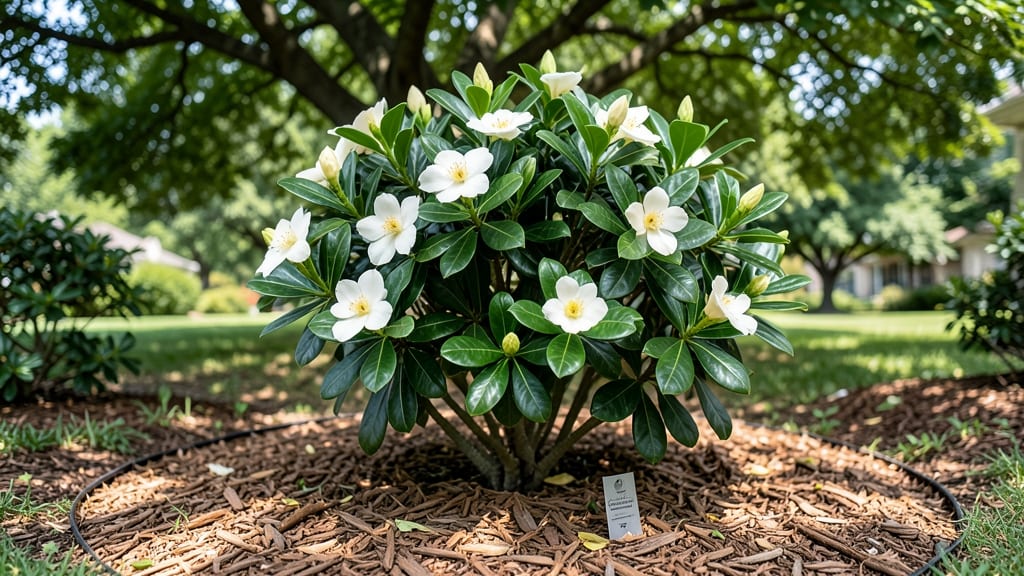
To grow gardenia plants as perennials in Zone 7, provide winter protection since they naturally thrive in USDA Zones 8-11, using shelter from freezing temperatures, well-draining soil, and mulch to extend their growing season.
Gardenias, originally tropical/subtropical plants, face challenges in Zone 7's colder winters, where temperatures below 20°F can damage foliage and roots. 🌿 The key to success lies in creating microclimates—using containers, raised beds, or south-facing locations to trap heat.
I've seen gardeners in Zone 7 achieve perennial results by combining thick mulch layers with frost blankets during critical freeze periods, effectively mimicking their native warm climates.
For best results, focus on cold-tolerant varieties like 'Radicans' and amend your soil with sand or peat moss to prevent waterlogging, which gardenias hate. The trade-off? You'll need to balance winter protection with summer heat tolerance—these plants still crave afternoon shade in hotter months.
With the right approach, you can enjoy those fragrant blooms year after year, even in cooler regions.
💡 In This Article
- Gardenia Cold Hardiness in Zone 7: Survival Science
- Zone 7 Gardening Hacks for Perennial Gardenias
Gardenia cold hardiness in Zone 7: survival science
Gardenias originate from tropical and subtropical regions where temperatures rarely drop below 50°F, making them naturally sensitive to Zone 7's winter chills. Their delicate leaves and roots begin suffering damage when temperatures fall below 20°F, triggering cellular breakdown in foliage and root systems.
This threshold explains why gardenias thrive in USDA Zones 8-11 but struggle in colder climates without protection. The plant's native moisture-loving habits also create a paradox—while they need consistent humidity, their roots rot easily in waterlogged soil, a common issue in Zone 7's wet springs and autumns.
The science behind winter survival involves creating artificial microclimates that mimic their native conditions. Mulching with 4-6 inches of organic matter (like pine straw or shredded bark) insulates roots by maintaining soil temperatures 5-10°F warmer than ambient air.
Container growing takes this further—potted gardenias can be moved to protected garages or wrapped in burlap insulation when nighttime temps approach 32°F. I've observed that gardenias in containers survive 10°F colder than in-ground plants because pots act as thermal buffers, preventing rapid temperature fluctuations.
What most gardeners overlook is the plant's response to cold stress. When exposed to sudden freezes, gardenias undergo a physiological shock that halts photosynthesis and triggers leaf drop. The roots, being non-hardy, become particularly vulnerable to soil freeze-thaw cycles, which can crack root tissues.
This is why elevated beds or raised planters work better than ground planting—they allow excess moisture to drain while keeping roots slightly insulated from ground-level cold. The trade-off? You'll need to monitor soil moisture carefully, as containers dry out faster in winter.
Cold-tolerant cultivars like 'Radicans' have shown 5-7°F more hardiness than standard varieties, making them better candidates for Zone 7. These hybrids develop thicker cuticles on leaves and more robust root systems that can withstand brief dips to 15°F when properly mulched.
However, even these varieties will struggle if exposed to prolonged sub-freezing temperatures without protection. The key is combining cultivar selection with physical winterization—think of it like dressing your gardenia in a thermal blanket during cold snaps.
Here's what actually happens during winter protection: When you wrap a gardenia in frost cloth or move it to a sheltered location, you're creating a 3-5°F warmer environment around the plant. This small temperature difference is enough to prevent cellular damage in leaves and maintain root viability.
The secret lies in timing—removing protection too early in spring (when nighttime temps can still drop below 30°F) risks cold shock, while keeping it on too late can trap excess moisture and promote fungal growth.
Consider this comparison: A gardenia in Zone 7 with proper winter care can live 5-10 years as a perennial, while an unprotected plant may survive only 1-2 winters before dying back. The difference comes down to consistent temperature management—maintaining roots above 35°F and foliage above 40°F during critical freeze periods.
This level of care transforms what would normally be an annual into a reliable perennial bloomer, rewarding you with those iconic white, fragrant flowers year after year.
For maximum success, pair winter protection with summer shade. Gardenias in Zone 7 need afternoon shade during peak summer months to prevent leaf scorch from temperatures above 90°F.
This dual approach—protecting from winter cold while shielding from summer heat—creates the balanced growing conditions these tropical plants need to thrive in marginal climates. 🌟