
Flowers
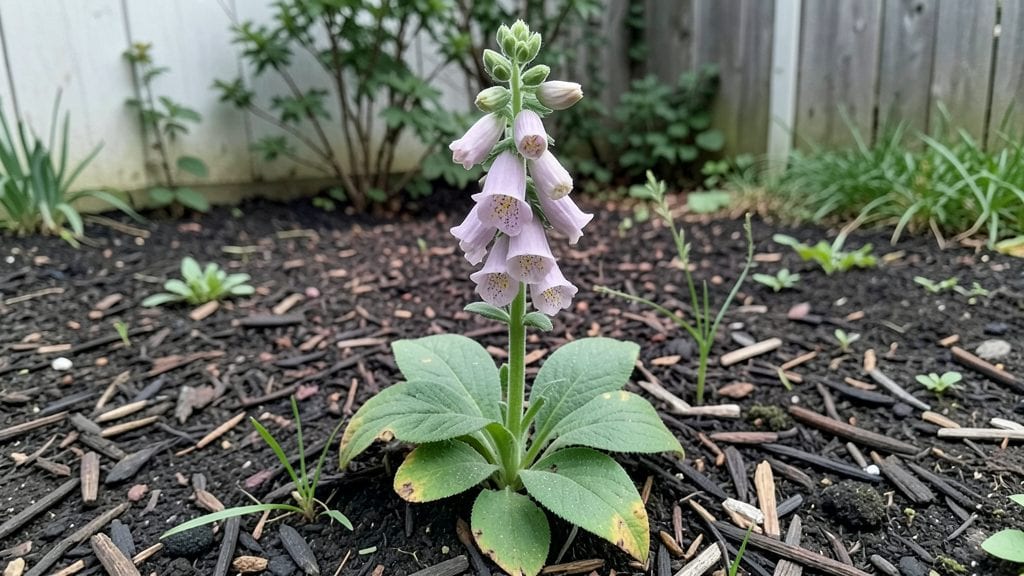
Growing a foxglove flower perennial 🌸 transforms your garden into a towering, fairy-tale scene—but its striking spikes come with serious risks if you don’t handle them right.
Picture this: 6-foot-tall bell-shaped blooms swaying in a breeze, their purple, pink, or white flowers drawing hummingbirds like magnets. Yet, every part of this plant is toxic, and one wrong move could turn your dream garden into a danger zone.
The good news? With the right care, foxglove thrives for years, rewarding you with drama and beauty—safely.
From picking the perfect spot in USDA Zone 6a to mastering pruning techniques that keep it lush, I’ll walk you through every step.
You’ll learn how to balance its love for partial shade with its need for well-drained soil, plus how to protect curious kids and pets without sacrificing those jaw-dropping blooms.
Ready to add vertical magic to your garden? Let’s dive into the secrets of cultivating foxglove the smart way—so you get the showstopper you crave, without the headaches.
Foxglove perennial care guide: light, soil, and water requirements for thriving growth
Foxglove (Digitalis purpurea) thrives with the right balance of sunlight, soil conditions, and watering. As a tall perennial, it rewards gardeners with stunning vertical interest—but only when its needs are met.
I’ve learned through years of growing foxglove that partial shade and moist, well-draining soil are non-negotiable for preventing common issues like flopping stems or fungal diseases.
One of my biggest mistakes early on was planting foxglove in full sun, which caused its delicate stems to weaken and flop over. The key is finding that sweet spot where it gets morning sunlight and afternoon shade, especially in hotter climates.
Let’s break down the exact conditions your foxglove needs to flourish season after season.
| Requirement | Specification |
|---|---|
| Sunlight | Partial shade (4-6 hours daily); tolerates morning sun |
| Soil pH | Neutral to slightly alkaline (6.5-7.5) |
| Soil Type | Well-draining, humus-rich; avoids clay |
| Water Needs | Moderate moisture; deep watering weekly |
| Mature Height | 2-6 feet (varies by cultivar) |
| Seasonal Care | Reduce water in winter; deadhead spent blooms |
For sunlight, foxglove prefers partial shade, which means it should receive 4-6 hours of sunlight per day, ideally in the morning. In my garden, I’ve found that an east-facing location works perfectly—it gets gentle morning rays while avoiding the harsh afternoon heat that can scorch its leaves.
If you’re in a hotter climate like Zone 8 or 9, consider providing afternoon shade with a light sheer curtain or nearby trees.
When it comes to soil, foxglove is particular about drainage. I’ve seen it struggle in heavy clay soils, where roots can suffocate and lead to root rot.
Amend your soil with compost or peat moss to improve aeration, and aim for a neutral to slightly alkaline pH (6.5-7.5). A simple soil test kit can help you adjust pH if needed—lime raises pH, while sulfur lowers it.
Watering foxglove requires a balanced approach. Too little water causes dry, crispy leaves, while overwatering leads to mushy stems and disease. I water mine deeply once a week during the growing season, ensuring the soil is moist but not soggy.
In summer, I increase frequency to every 5-7 days, while in winter, I reduce it to monthly. Always water at the base of the plant to avoid wetting the leaves, which can promote fungal issues like powdery mildew.
One of the most common pitfalls with foxglove is stem flopping, which happens when stems grow too tall without proper support. To prevent this, I stake my tallest varieties like 'Giant Candelabra' with bamboo stakes or tie them to a nearby trellis.
Another trick I’ve learned is to deadhead spent blooms regularly—this redirects energy to root growth and prevents the plant from becoming leggy.
Seasonal adjustments are key to keeping foxglove healthy year-round. In spring, I add a light fertilizer (5-10-10) to encourage new growth, while in fall, I reduce watering and stop fertilizing to prepare for dormancy. Mulching with straw or wood chips helps retain moisture and regulate soil temperature.
I’ve also noticed that foxglove benefits from a light pruning in early spring to remove any dead or damaged stems before new growth begins.
If your foxglove develops yellowing leaves, it could signal overwatering or nutrient deficiency. Brown tips on leaves often mean underwatering or low humidity. In my experience, adjusting watering habits and adding a balanced fertilizer usually resolves these issues.
For pests, watch for aphids or slugs, which can damage young shoots. A neem oil spray works well for aphids, while beer traps deter slugs.
With the right care, foxglove can thrive for years, returning with even more vigor each season. My tallest specimen, a 'Excelsior' variety, has been in the garden for five years and still produces 6-foot spikes of blooms.
The secret? Paying attention to its light, soil, and water needs while giving it space to grow. Plant it where it won’t be crowded, and watch it become the showstopper of your garden.
Deadly foxglove safety: how to handle toxicity risks while enjoying its beauty
Foxglove's bell-shaped blooms add dramatic height to cottage gardens, but its toxic compounds demand respect. Every part of this Digitalis purpurea plant contains cardiac glycosides, which can cause severe illness or even death if ingested.
Even handling the plants without gloves can transfer toxins to your skin, increasing risk for curious children or pets.
As a gardener who's grown foxglove for years, I've learned to admire its beauty from a distance while implementing strict safety measures. The key is understanding which parts are most dangerous, how to minimize exposure, and what safer alternatives exist for similar garden impact.
Let's break down the critical precautions you need to know before planting.
⚠️
URGENT WARNING: Foxglove Toxicity Risks
- All parts are toxic: leaves, stems, flowers, and seeds
- Symptoms appear within 2-6 hours: nausea, vomiting, diarrhea, irregular heartbeat
- Children/pets are most at risk due to smaller body weight
- Even dead plants retain toxicity for years in soil
Action Required: Wear gloves when handling. Plant in secure, elevated garden beds away from play areas. Never compost foxglove waste.
The leaves and stems contain the highest concentration of toxins, but even the beautiful flowers pose risks. If you have dogs or cats, be especially vigilant—our feline neighbor once nibbled on foxglove leaves and required emergency vet care.
The plant's bitter taste usually deters animals, but curiosity often overrides caution.
To create a safe foxglove garden, I recommend these precautions: plant in containers with drainage holes if you have pets, place them in high-visibility locations where children won't reach, and consider edging with thorny plants like roses to create natural barriers.
Always wash hands thoroughly after handling any plant material.
For gardeners seeking similar vertical drama without toxicity risks, consider these non-toxic alternatives: hollyhocks (with proper spacing), delphiniums, or tall snapdragons. These plants offer comparable height and flower shapes while being completely safe for pets and children.
My garden now features hollyhocks alongside foxglove, creating the same architectural impact without the health risks.
Remember that foxglove's toxic nature doesn't mean you should avoid it entirely. With proper precautions, you can enjoy its striking beauty while keeping your family and pets safe. The key is awareness and smart placement—treating this plant with the same respect you would any powerful garden tool.