
Flowers
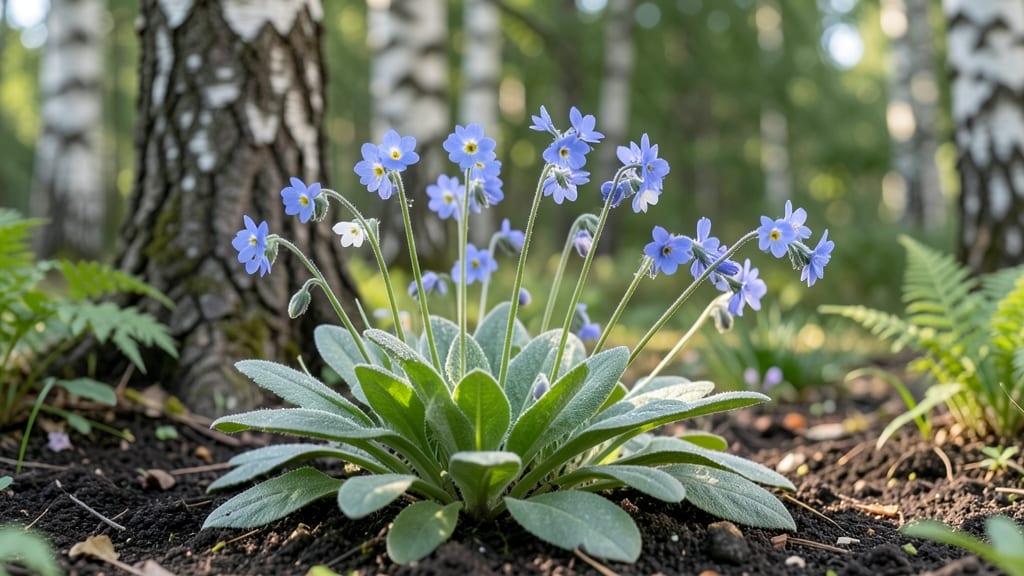
The forget-me-not flower is an annual or perennial in most climates, returning each year with its signature blue blooms and cold-hardy foliage, though some varieties may fade in winter only to rebound vigorously in spring.
The forget-me-not flower is an annual or perennial in most climates, returning each year with its signature blue blooms and cold-hardy foliage, though some varieties may fade in winter only to rebound vigorously in spring.
These resilient plants thrive in USDA zones 3-9, meaning they can survive freezing temperatures that would kill many annuals. 🌱 The secret lies in their deep root systems, which store energy over winter to fuel rapid regrowth when conditions warm.
Unlike true annuals that complete their lifecycle in one season, forget-me-nots focus on building strength underground, then burst back with vibrant color year after year.
What makes them particularly rewarding for gardeners is their self-seeding habit. Many varieties scatter seeds naturally, creating fresh clusters of blooms without extra effort from you. This persistence explains why they've become such beloved garden staples across temperate regions.
💡 In This Article
- Forget-Me-Not Perennial Growth Habits Explained
- Best Practices for Year-Round Forget-Me-Not Care
Forget-me-not perennial growth habits explained
The forget-me-not's perennial classification comes from its deep, fibrous root system that stores carbohydrates during winter dormancy.
Unlike annuals that die completely after flowering, these roots remain alive even when above-ground foliage blackens in frost. 🌿 The most common species, Myosotis sylvatica (wood forget-me-not), develops roots that can extend 12-18 inches deep, allowing it to access moisture and nutrients even through frozen soil layers.
This adaptation explains why they thrive in zones 3-9, where temperatures can drop to -30°F but rarely stay frozen for extended periods.
The plant's cold hardiness varies slightly between species. Myosotis scorpioides (water forget-me-not) handles wetter conditions but is slightly less cold-tolerant, while alpine varieties like Myosotis alpestris can survive even harsher winters at high elevations.
What all varieties share is a deciduous growth habit—they shed leaves in winter but keep their roots active, ready to regrow as soon as soil temperatures rise above 40°F.
This is why you'll often see them described as "semi-perennial" in some regions: they may look dead but aren't truly gone.
The key to their perennial success lies in their two-phase growth cycle. During summer, they focus on flowering and seed production (the visible part we love), but in autumn, all energy shifts underground. The roots convert sugars into starches, creating a natural "battery" that fuels next year's growth.
This process is similar to how peonies or daylilies prepare for winter, but forget-me-nots do it on a smaller, faster scale—perfect for short-season gardens. 🌱
What might surprise gardeners is how their blooming patterns reflect this lifecycle. Most varieties produce flowers in early spring (April-May) from last year's stored energy, then again in late summer (August-September) using current season growth.
This biennial-like behavior (flowering twice in their lifecycle) is why some people mistakenly think they're annuals—they seem to "disappear" after their first big bloom but are actually just recharging.
Another fascinating adaptation is their seed dormancy mechanism. Freshly dropped seeds often won't germinate immediately, instead waiting for ideal conditions (typically 50-60°F soil temperatures). This built-in delay prevents overcrowding and ensures new plants establish when resources are abundant.
It's this combination of deep roots, energy storage, and strategic seed timing that makes forget-me-nots such reliable perennials in temperate climates.