
Planting
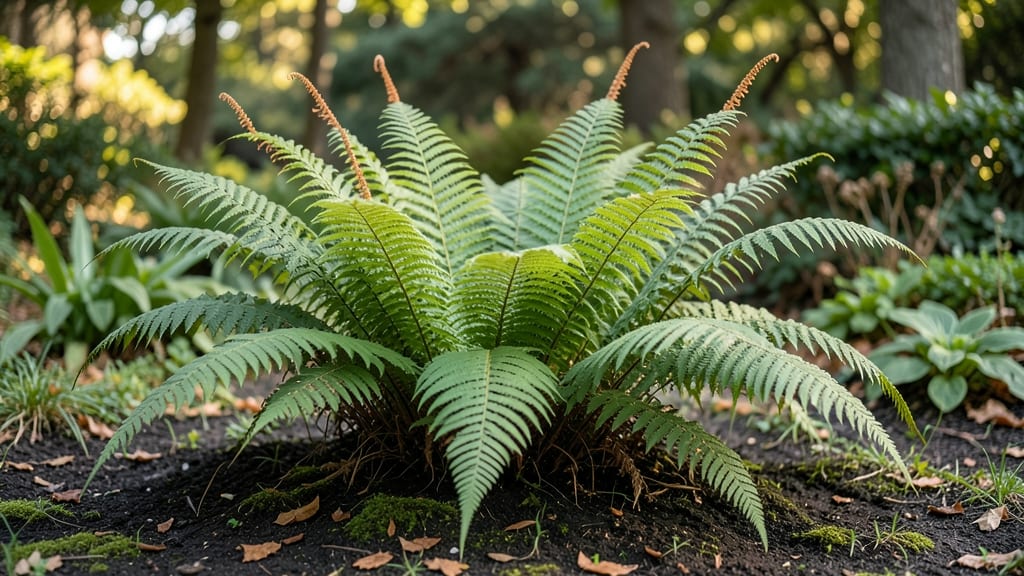
Fern perennial plants regrow season after season from tough underground rhizomes or crowns, unlike annuals that die back completely each year. Their resilient leaf structures and adaptable growing conditions make them perfect for low-light gardens, woodland edges, and damp soil areas.
These hardy plants rely on their extensive root systems to store nutrients and moisture, allowing them to rebound quickly after winter dormancy. 🌿 Unlike annuals that complete their entire lifecycle in one growing season, ferns enter a semi-dormant state during cold months while maintaining their root structures underground.
This biological advantage makes them ideal for gardeners seeking long-term greenery with minimal maintenance.
What truly sets fern perennials apart is their ability to thrive in conditions where many other plants struggle. Their fronds often remain evergreen in mild climates, providing year-round color and texture.
For example, the delicate maidenhair fern prefers moist, well-drained soil and partial shade, while the more robust ostrich fern can handle drier conditions and even partial sun exposure.
💡 In This Article
- How Fern Perennials Survive Through Seasons
- Top Fern Perennial Varieties for Different Climates
How fern perennials survive through seasons
The secret to fern perennials' year-round resilience lies in their specialized underground structures called rhizomes—horizontal, creeping stems that store carbohydrates and nutrients. Unlike annuals that rely on seeds to restart each season, ferns regenerate from these rhizomes, which can extend 1-2 feet underground.
This system acts like a natural battery, allowing the plant to push out new fronds as soon as conditions improve in spring, even after months of dormancy. 🌱
Fern fronds themselves contain specialized cells that help them conserve moisture during dry periods. The waxy cuticle on the leaf surface reduces water loss, while some species like the holly fern develop tightly curled fronds that protect delicate tissues.
In winter, many ferns enter a semi-dormant state where growth slows dramatically, but their roots remain active in milder climates (USDA zones 5-9), absorbing nutrients to fuel next year's growth. This contrasts sharply with annuals that must complete their entire lifecycle—from seed to flower to seed—in just one growing season.
These biological adaptations make ferns ecological workhorses. Their extensive root systems prevent soil erosion by binding particles together, while decaying fronds enrich the soil with organic matter. In woodland ecosystems, ferns create microclimates by shading the forest floor, which benefits other shade-loving plants.
The Boston fern, for example, can spread 2-3 feet wide while maintaining its lush appearance for decades, making it a garden staple that outlasts most annual flowers by a factor of 10 or more.
Moisture management is where ferns truly shine. Their roots often grow in dense mats that create humid microenvironments, which explains why they thrive in 60-80% humidity ranges—ideal conditions for their delicate fronds.
Some species like the sword fern even develop specialized root hairs that absorb water directly from the air, a trait that helps them survive in damp but poorly drained soils where many perennials would rot.
This moisture retention capability is why ferns often appear first in spring, capitalizing on melting snow and early rains before other plants compete for water.
Temperature tolerance varies by species, but most ferns can handle -10°F to 20°F temperatures when dormant. The Christmas fern, for instance, remains green year-round in zones 3-9, while others like the leatherleaf fern develop thicker, more leathery fronds specifically to withstand winter winds.
This adaptability means ferns can be found from tropical rainforests to alpine meadows, proving their survival mechanisms are finely tuned to local conditions—something annuals simply can't match. 🌿
What most gardeners don't realize is how ferns time their growth cycles. Many species begin producing new fronds in early spring when soil temperatures reach 55-60°F, using stored energy from the rhizomes.
This precise timing allows them to outcompete annuals that germinate later in the season. The result? A lush, green canopy that annuals can only dream of maintaining.