
Plants
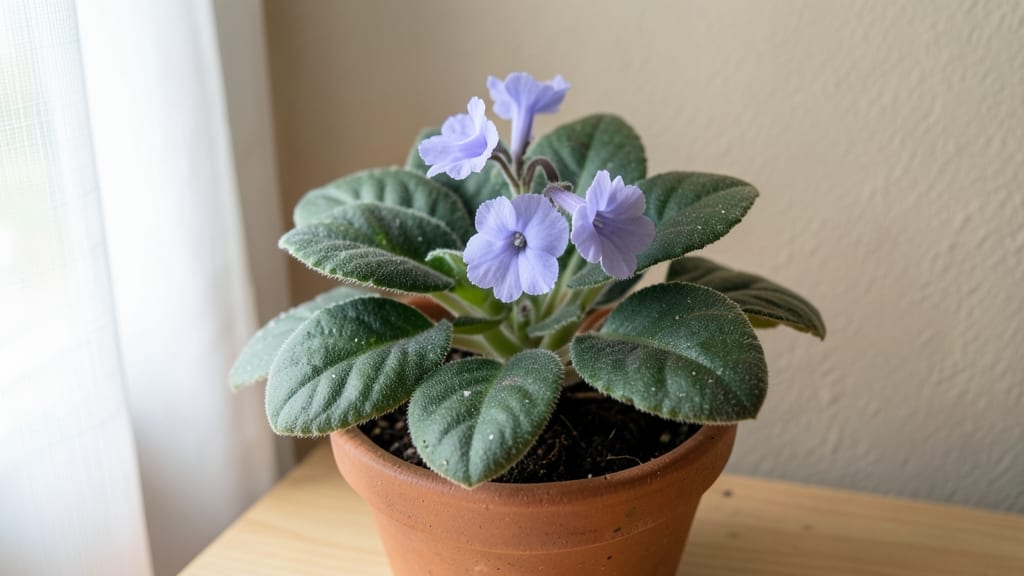
African violets are perennials in their tropical native habitats, but their delicate nature makes them behave like annuals indoors when exposed to temperatures below 65°F. Their deep, fibrous root systems enable them to thrive year-round only when kept in stable, warm conditions.
African violets thrive as perennials in their natural tropical environments because their root systems evolved to handle consistent warmth and humidity. 🌿 These fibrous roots spread wide to absorb moisture efficiently, allowing the plant to sustain growth throughout the year.
However, when brought indoors, sudden temperature drops or dry air can shock their roots, triggering dormancy or even death. I've found that maintaining a steady environment—like placing them near a north-facing window with a humidity tray—mimics their native conditions and keeps them flourishing.
What sets these plants apart is their resilience when properly cared for. Unlike true annuals, African violets can bounce back from neglect if their roots stay healthy. The key is preventing stress: avoid overwatering (which rots roots) and sudden drafts (which mimic seasonal changes).
With the right setup, you can enjoy their blooms for years, proving they're perennials in spirit—if not always in practice.
💡 In This Article
- Why African Violet Roots Determine Their Longevity
- Indoor African Violet Care for Year-Round Growth
Why African violet roots determine their longevity
African violets develop a dense, fibrous root system that spreads horizontally rather than growing deep—this structure is perfectly adapted to their native tropical conditions where moisture is consistently available near the surface. These roots can extend up to 6-8 inches wide, creating a vast network for water and nutrient absorption.
In their natural habitat, the steady warmth (typically 70-80°F) and high humidity (60-70%) prevent these roots from experiencing stress, allowing continuous growth throughout the year.
The key to their perennial nature lies in how these roots respond to temperature changes. When exposed to temperatures below 65°F, the root cells begin to slow their metabolic processes—a survival mechanism to conserve energy.
Prolonged exposure to cold can cause root rot or dormancy, mimicking the seasonal die-back seen in true annuals. 🌱 Interestingly, African violets don't have true dormant periods like bulbs; instead, their roots simply become inactive until conditions improve.
This explains why they often die off indoors during winter if not protected from drafts or heating vents.
Root health is directly tied to the plant's ability to rebound. Healthy African violet roots appear white to pale yellow and feel firm to the touch, while stressed roots turn brown or mushy. The fibrous structure also makes them vulnerable to overwatering—since they can't handle waterlogged conditions like deeper-rooted perennials.
This is why many gardeners mistakenly believe African violets are annuals: their roots simply can't recover from indoor environmental fluctuations that mimic seasonal changes.
Here's what most people miss about their root systems: African violets rely on consistent moisture without saturation. Their fibrous roots absorb water quickly but also dry out fast in low humidity. In tropical environments, this isn't a problem because the air stays moist.
Indoors, you'll need to supplement with humidity trays or pebble trays filled with water to maintain that 60%+ humidity level their roots crave. Without this, the roots dry out, signaling the plant to conserve resources—essentially putting it into a survival mode that can be fatal if prolonged.
Consider this comparison: A true perennial like a hosta can survive winter dormancy because its roots store energy in thick rhizomes. African violets lack this storage mechanism—their roots are all about immediate absorption.
When you see an African violet struggling, it's almost always a root issue: either too much water (rot) or too little (drought stress). The plant's entire survival strategy depends on keeping those fibrous roots happy and active year-round.
What makes this even more fascinating is how quickly these roots can recover when conditions improve. I've seen African violets with completely browned roots (from overwatering) regrow new white roots within 2-3 weeks when given proper drainage and humidity.
This resilience proves they're built for perennial living—just not the harsh seasonal swings we experience indoors. 💫