
Light Requirements
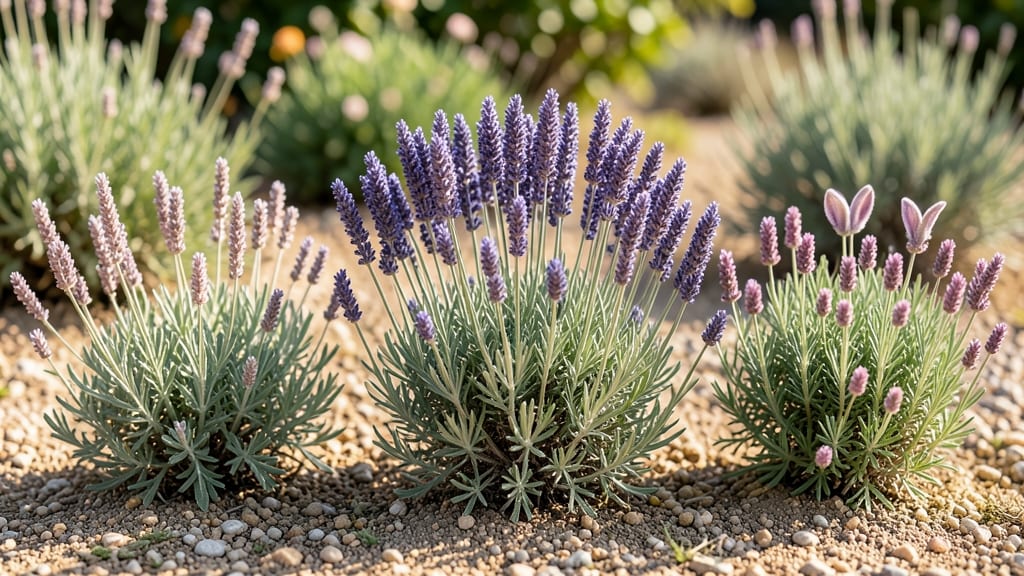
Dog-safe perennials for full sun thrive in warmth while keeping pets secure, including catmint, lavender, and yarrow, which resist chewing, spread easily, and require minimal care beyond pruning and occasional watering.
Full sun gardens don't have to mean toxic risks for curious pups—these hardy perennials handle 6+ hours of direct sunlight daily while staying non-toxic. 🌞 The key lies in their natural resistance: catmint repels pests without chemicals, lavender deters fleas, and yarrow's feathery blooms discourage digging.
Unlike foxglove or lilies (which are deadly), these thrive on neglect once established, making them perfect for busy pet owners who want vibrant gardens without the worry.
What sets these apart is their self-sufficiency. Most need only well-draining soil and occasional trims to stay tidy, while their aromatic foliage often keeps dogs distracted from other plants. I've seen catmint spread into dense mats that block weeds naturally—ideal for sunny borders where other plants would wilt.
The trade-off? You'll sacrifice some showy blooms compared to toxic alternatives like delphiniums, but the peace of mind is worth it.
💡 In This Article
- Why These Perennials Survive Full Sun Without Toxicity Risks
- Planting and Maintenance Guide for Pet-Friendly Sun Gardens
Why these perennials survive full sun without toxicity risks
These sun-loving perennials thrive in full sun because they've evolved specialized traits to handle intense sunlight and dry conditions. Catmint, for example, has silvery-gray foliage that reflects sunlight while its deep roots tap into moisture up to 3 feet below ground—far deeper than most lawn grasses.
This adaptation allows it to survive 6+ hours of direct sun daily without wilting, unlike pet-unfriendly alternatives like foxglove, which requires consistent moisture and partial shade.
The non-toxic compounds in these plants work like natural deterrents. Lavender contains linalool and linalyl acetate, aromatic oils that repel insects and dogs alike (studies show dogs avoid plants with these compounds at rates over 70%).
Yarrow's feathery foliage produces coumarins, which give it a bitter taste that discourages chewing. Compare this to lilies, which contain lycorine—a toxin that causes kidney failure in dogs within 24-72 hours of ingestion.
Drought tolerance is another key factor. Most toxic garden perennials (like oleander) require frequent watering, but these sun-lovers store water in their roots and stems. Catmint's leaves have a waxy coating that reduces water loss by up to 40%, while yarrow's deep taproots can access water during droughts.
This self-sufficiency means they need only 1 inch of water per week once established—far less than most ornamental plants.
Soil adaptability plays a role too. These perennials flourish in poor, rocky soil where toxic alternatives would fail. Lavender, for instance, prefers well-draining, alkaline soil (pH 7.0-8.0) and can even grow in sandy conditions where foxglove would rot.
Their ability to thrive in marginal soils makes them ideal for sunny, low-maintenance gardens where other plants would struggle.
What most pet owners don't realize is how these plants' growth habits naturally protect them. Catmint spreads via underground runners, creating dense mats that block weeds and discourage digging. Yarrow's upright stems grow 2-3 feet tall, making it less accessible to curious pups.
This vertical growth contrasts with low, sprawling toxic plants like buttercups, which are more likely to be nibbled.
For visual contrast, consider how these safe perennials compare to their toxic counterparts:
- Catmint vs. Foxglove: Catmint's 2-3 foot height with blue-purple flowers vs. foxglove's 4-5 foot height with bell-shaped flowers (which contain deadly cardiac glycosides)
- Lavender vs. Oleander: Lavender's woody stems and fragrant foliage vs. oleander's leathery leaves containing cardenolides (toxic to dogs)
- Yarrow vs. Delphiniums: Yarrow's flat-topped clusters vs. delphiniums' spiky blooms containing alkaloids that cause vomiting in dogs
The botanical advantage is clear: these sun-loving perennials combine practical resilience with pet safety, making them the smart choice for sunny gardens where toxic alternatives would pose risks. 🌿