
How To
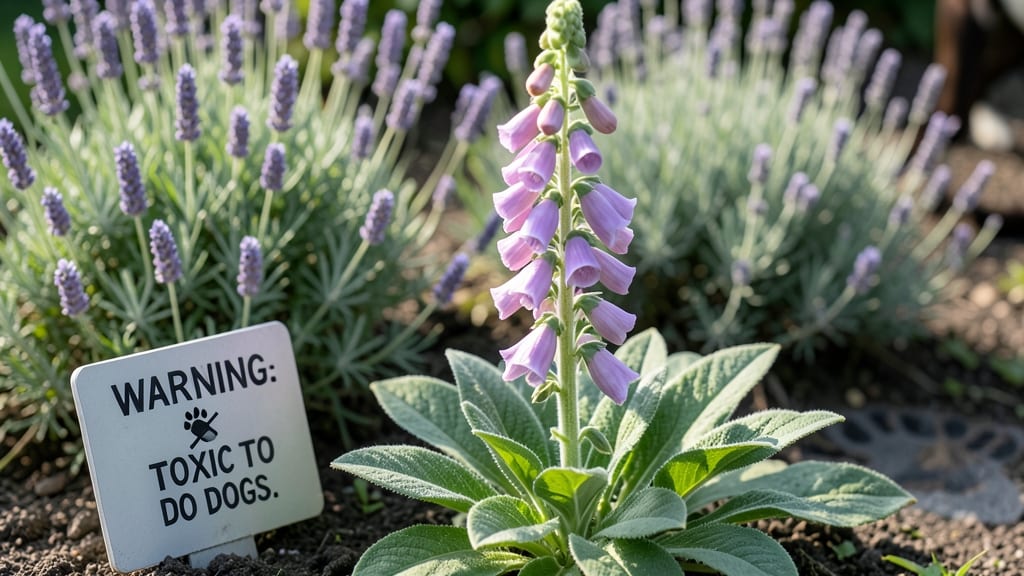
Perennials can indeed be toxic to dogs, with common offenders like lilies, foxglove, and azaleas causing symptoms ranging from vomiting and drooling to potentially life-threatening organ damage. Always verify plant safety before introducing them to your garden or home.
Many gardeners don't realize how quickly common perennials can harm pets—just a small nibble on a lily petal can trigger severe kidney failure in dogs. 🐾 The danger lies in specific compounds like oxalates in lilies or glycosides in foxglove, which disrupt normal bodily functions.
Even non-lethal plants can cause stomach upset, so I always double-check with the ASPCA's plant toxicity database before planting anything new.
Creating a dog-friendly garden starts with smart plant choices. Sunflowers, marigolds, and lavender are safe alternatives that still add beauty and fragrance to your yard.
For extra protection, I recommend keeping toxic plants in elevated planters or fenced-off areas—this gives your pup plenty of sniffing room without the risks.
💡 In This Article
- How Dog Toxicity Varies Among Popular Perennials
- Safe Perennial Alternatives for Dog-Friendly Gardens
How dog toxicity varies among popular perennials
The toxicity of perennials to dogs stems from specific chemical compounds that disrupt normal bodily functions.
For example, lilies contain oxalates, which cause painful mouth irritation and kidney failure even in small amounts—just 0.5 grams of lily pollen can be dangerous. 🌸 Meanwhile, foxglove's toxicity comes from digitalis glycosides, which interfere with the heart's electrical signals, leading to irregular heartbeat or cardiac arrest.
Not all parts of a plant are equally toxic—leaves often contain higher concentrations of harmful compounds than flowers or stems.
Take oleander as an example: its leaves hold cardiac glycosides at levels 100 times more potent than foxglove, while the flowers are less dangerous but still risky if ingested in large quantities.
Even seemingly harmless plants like hostas contain insoluble calcium oxalates, which cause drooling, vomiting, and oral irritation within 2-6 hours of consumption.
Ingestion severity depends on your dog's size, health, and the amount consumed. A 10-pound Chihuahua might experience mild symptoms from nibbling a single azalea leaf, while a 50-pound Labrador could suffer severe liver damage from the same plant.
The ASPCA's Toxic Plant Database categorizes plants by toxicity level, helping you assess risks quickly—always check before planting anything new in your yard.
Symptoms often appear within 6-12 hours but can take up to 48 hours for delayed reactions like kidney failure. Early signs include excessive drooling, vomiting, lethargy, or diarrhea. If you suspect poisoning, contact your vet immediately—some toxins, like those in delphiniums, can cause seizures within 1-2 hours of ingestion.
Even non-lethal plants can cause digestive upset, so it's wise to monitor your dog's behavior after they explore new garden areas. For instance, daffodils contain lycorine alkaloids, which primarily affect the gastrointestinal tract, leading to nausea and vomiting rather than organ failure.
The key takeaway? Always err on the side of caution when introducing new plants to your garden.
Creating a safe environment means understanding these chemical interactions. For example, azaleas contain grayanotoxins, which disrupt nerve signals and can cause weakness or collapse.
By recognizing these specific compounds, you can make informed decisions about which perennials to keep—and which to avoid—keeping your furry friend safe while maintaining a beautiful garden.