
Plants
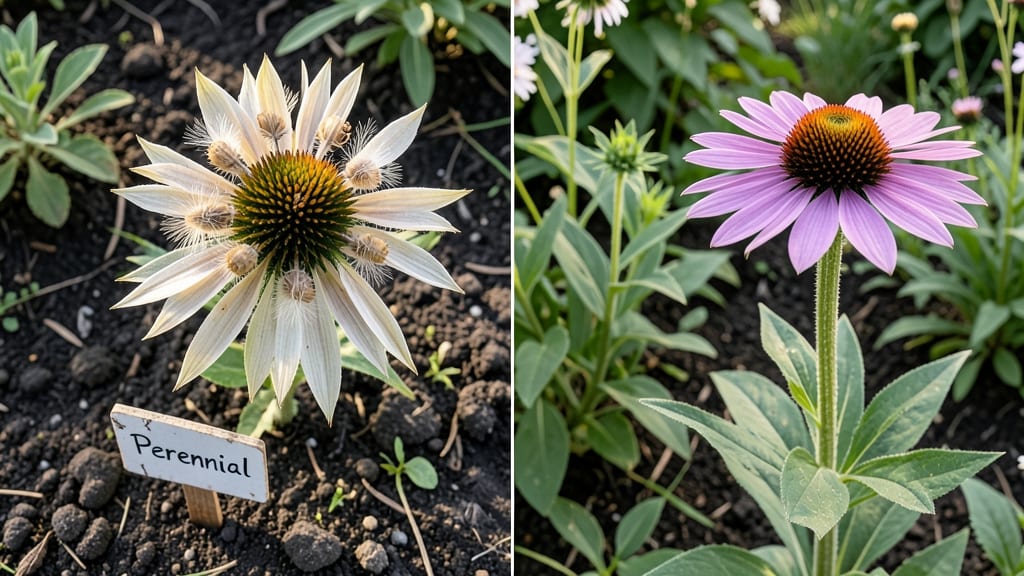
Yes, perennials come back yearly by storing energy in their roots or underground stems during winter dormancy, then regrowing when spring temperatures rise. This cycle allows them to thrive for multiple seasons with proper care.
This survival strategy sets perennials apart from annuals, which complete their life cycle in just one growing season. 🌱 The key lies in their ability to enter dormancy—when temperatures drop, they slow down metabolism, preserving nutrients in specialized underground structures like tubers or rhizomes.
Many gardeners rely on this trait to create low-maintenance landscapes, as these plants return year after year with minimal intervention beyond seasonal adjustments.
What's fascinating is how different perennials adapt to their environments. Some, like peonies, develop thick, fleshy roots that act as natural storage units, while others like hostas rely on their crowns to regenerate. Understanding these variations helps gardeners choose plants that match their climate and care capacity.
💡 In This Article
- How Perennial Plants Survive Winter Dormancy
- Tips for Encouraging Perennials to Return Strongly Each Year
How perennial plants survive winter dormancy
Perennial plants have evolved a remarkable survival strategy centered around winter dormancy. When temperatures drop below 50°F, these plants trigger a physiological response called dormancy, where growth slows dramatically to conserve energy.
The magic happens in specialized underground structures like rhizomes (horizontal stems), tubers (thickened roots), or corms (bulb-like stems). These structures act as natural storage units, accumulating starches and sugars during the growing season to fuel regrowth when spring arrives.
The transition to dormancy is primarily triggered by temperature and daylight changes. As daylight hours shorten in autumn, plants detect this through phytochrome pigments that signal the brain of the plant (the apical meristem) to prepare for dormancy.
Cold temperatures further accelerate this process by causing cell membranes to stiffen, which protects against freezing damage. For example, peonies store energy in their thick, fleshy roots that can withstand -20°F temperatures, while hostas rely on their crowns to regenerate from just a few inches below the soil surface.
Cold hardiness zones play a crucial role in determining which perennials will thrive in your region. These zones, numbered from 1 (coldest) to 11 (warmest), help gardeners select plants that can survive winter temperatures in their specific climate.
For instance, a zone 5 plant like coneflowers can handle winters down to -20°F, while a zone 9 plant like bougainvillea needs protection from freezing. The key is matching the plant's hardiness zone to your local winter conditions to ensure it can successfully complete its dormancy cycle.
During dormancy, perennials also undergo antifreeze protein production, a fascinating biological adaptation that prevents ice crystals from forming in their cells. These proteins bind to water molecules, lowering the freezing point and protecting vital tissues.
This is why you'll often see perennials like lavender or Russian sage still standing tall through winter—their cells remain intact despite freezing temperatures. The stored energy in their roots or stems remains chemically stable until warmer temperatures trigger enzymatic reactions that restart growth in spring.
What's particularly interesting is how perennials balance water conservation with energy storage. Some, like daylilies, develop contractile roots that pull the plant deeper into the soil as it grows, positioning the crown at the optimal depth for winter survival.
Others, like bleeding hearts, have deciduous leaves that drop in autumn, reducing water loss while still allowing photosynthesis in the crown until dormancy sets in. This dual strategy ensures the plant remains hydrated while conserving energy during the dormant period.
One often-overlooked factor is how soil composition affects dormancy success. Well-draining soil prevents waterlogged conditions that can rot underground storage structures, while organic matter improves moisture retention without suffocating roots.
For example, adding 2-3 inches of mulch in late autumn helps insulate the soil, protecting roots from extreme temperature fluctuations that can disrupt dormancy. This layer also prevents soil heaving—when frozen soil expands and pushes plants out of the ground—by maintaining a more stable temperature at the root level.