
Plants
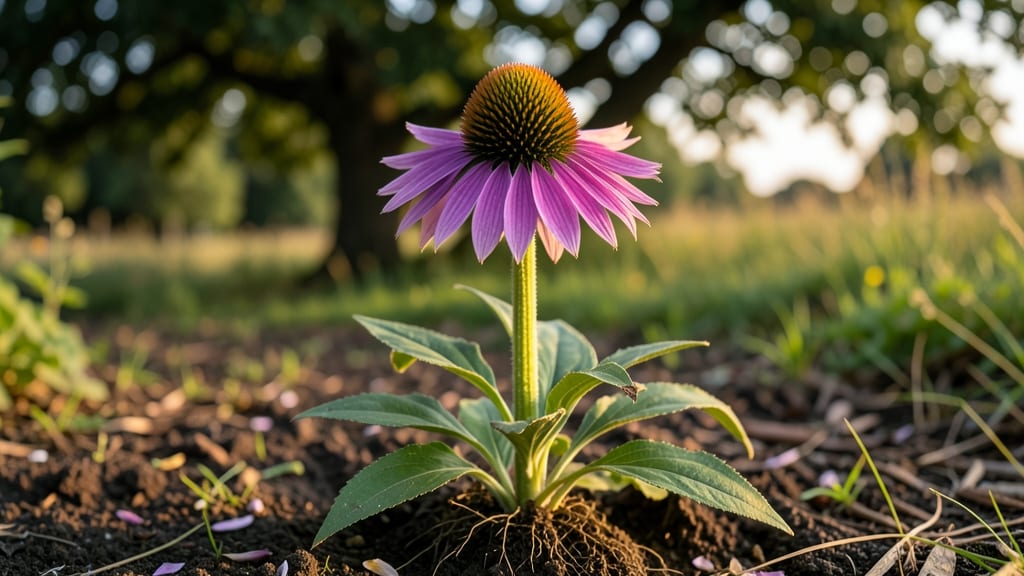
Yes, perennials come back each year by storing energy in underground organs like roots, tubers, or rhizomes, allowing them to regrow from dormant structures after winter or dry seasons. Proper care ensures their survival between growing cycles.
Perennials survive harsh conditions by storing nutrients and moisture in specialized underground structures—think of them as nature's built-in batteries. 🌱 For example, peonies rely on thick roots to store energy, while irises use horizontal rhizomes that spread and regenerate.
The key is dormancy: when temperatures drop or water becomes scarce, these plants enter a resting phase, conserving resources until conditions improve. Without proper care, like consistent moisture and seasonal pruning, even hardy perennials can struggle to bounce back year after year.
What sets perennials apart from annuals is their ability to persist through multiple growing seasons, but this resilience depends on the right conditions. Mulching helps insulate roots during winter, while avoiding overwatering prevents rot in stored organs.
I've seen firsthand how a single season of neglect—like cutting back too late or letting soil dry out completely—can kill off even the hardiest plants. The secret lies in understanding each plant's specific needs and mimicking their natural growth patterns.
💡 In This Article
- How Perennial Plants Survive Through Underground Storage
- Tips for Encouraging Perennials to Return Year After Year
How perennial plants survive through underground storage
Perennials rely on specialized underground structures like roots, tubers, and rhizomes to act as natural storage units. These organs—such as peony roots or iris rhizomes—accumulate starches, sugars, and water during the growing season, essentially creating a built-in food reserve.
For instance, a peony's thick, fleshy roots can store enough energy to sustain the plant for years, while iris rhizomes spread horizontally to form new growth points.
The storage capacity depends on the plant type: bulbs like tulips store nutrients in a compact underground bulb, whereas fibrous roots (like those of hostas) create a dense network for moisture retention.
The survival mechanism hinges on dormancy, a biological process triggered by temperature drops or reduced light. During dormancy, metabolic activity slows to a crawl, preserving stored energy. For example, daylilies enter dormancy when nighttime temperatures fall below 50°F, while lavender may need cooler 40°F conditions.
This adaptation allows perennials to endure winter or dry spells without wilting. What's fascinating is how these plants "know" when to wake up—spring warmth and increasing daylight length trigger hormonal changes that restart growth from the stored reserves.
Water plays a critical role in this system. Underground organs absorb moisture from the soil, which they convert into stored carbohydrates through photosynthesis.
A well-watered perennial like a coneflower can store enough moisture to last through droughts, while others, such as bleeding hearts, rely on consistent soil moisture to prevent their roots from drying out.
The texture of these storage organs varies too: some, like daffodil bulbs, feel firm and papery, while others, like asparagus rhizomes, are soft and fibrous. This diversity explains why some perennials thrive in dry climates while others need regular irrigation.
Temperature isn't just about survival—it's about timing. Most perennials need a period of cold exposure (called vernalization) to break dormancy and bloom properly. Without it, plants like peonies might produce fewer flowers or fail to regrow altogether.
This is why gardeners in warm climates sometimes use refrigeration tricks to simulate winter. The process works because cold temperatures stabilize the plant's internal clock, ensuring it doesn't wake up too early.
Light also matters: short days signal dormancy, while longer daylight hours in spring trigger the release of stored nutrients to fuel new growth.
Consider the case of hostas, which store energy in their thick, fibrous roots. These roots can regenerate even if the above-ground foliage dies back completely. The key is that the roots remain alive and hydrated, ready to push new shoots when conditions improve.
This resilience is why hostas are a staple in shaded gardens—they bounce back from frost and even light foot traffic. The same principle applies to perennials like catmint, whose creeping rhizomes spread underground, creating a network of growth points that ensure the plant's survival even if some stems are damaged.
What most gardeners don't realize is that the health of these underground storage organs directly impacts the plant's vigor the following year. A well-fed perennial with robust roots will produce more blooms and foliage, while one deprived of nutrients may struggle to return.
This is why soil quality matters so much—rich, well-draining soil provides the perfect environment for these organs to thrive. For example, a peony planted in heavy clay may develop weak roots, whereas one in loamy soil with organic matter will store more energy and grow stronger each season.