
Size
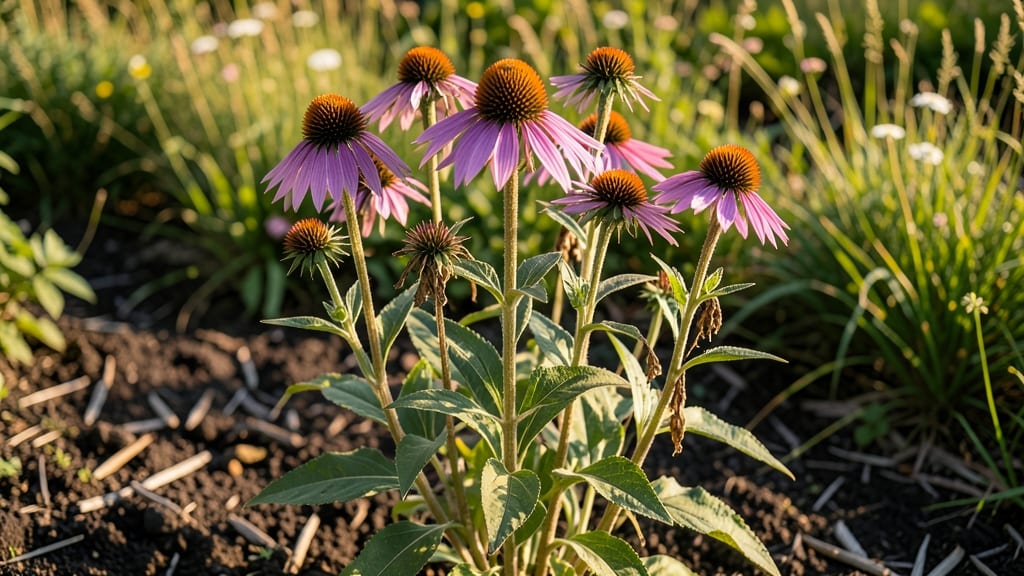
Perennial plants do grow every year, but their above-ground growth typically dies back seasonally—reviving from dormant roots or underground stems rather than perishing entirely. Only severe root or crown damage results in permanent death.
This annual regrowth cycle is what sets perennials apart from annuals that complete their lifecycle in one season. 🌱 The secret lies in their underground systems: roots, rhizomes, and tubers store nutrients during dormancy, allowing them to push new growth when conditions improve.
Even plants that appear completely dead in winter often have living tissue just below the surface, ready to burst back to life with warmer temperatures and moisture.
What's fascinating is how different perennials handle this process. Some, like peonies, completely shed their foliage while others, such as hostas, may retain dried leaves through winter.
The key difference between healthy dieback and true death lies in the plant's crown—if it's still firm and green at the base, revival is likely. But if you find hollow stems or rotting roots, that's your cue to replant rather than wait for a miracle.
💡 In This Article
- How Perennial Plants Survive Year After Year
- Signs of Healthy Perennial Dieback vs. Permanent Damage
How perennial plants survive year after year
Perennial plants rely on specialized underground structures to persist through harsh seasons. Unlike annuals that complete their lifecycle in one growing season, perennials store energy in roots, rhizomes, or tubers—think of them as nature's built-in batteries.
For example, peonies develop thick, fleshy roots that store starches, while daylilies use rhizomes (horizontal stems) to regenerate each spring. These storage organs can remain dormant for months, surviving temperatures as low as -20°F in some hardy species like coneflowers.
The regrowth process begins when temperatures rise and moisture returns. Gibberellins, a class of plant hormones, trigger bud formation at the crown (the base where roots meet stems).
In hostas, this means new shoots emerge from the same spot year after year, while in asparagus, it takes 3-4 years for the crown to establish enough energy reserves to produce spears.
The timing varies by species—early bloomers like crocuses push through snow, while late perennials like asters wait until summer's end.
What makes this system brilliant is its efficiency. A single 2-inch diameter rhizome of ginger can produce an entire plant, while a peony's root system can expand 12-18 inches annually.
This underground network ensures the plant can recover from above-ground damage—even if 90% of the foliage dies back, the roots remain viable. The trade-off? These storage organs require consistent care; neglect can lead to depleted reserves and weakened regrowth over time.
Contrast this with annuals like marigolds, which die completely after flowering, or biennials like carrots that store energy in taproots for just two years.
Perennials like lavender or Russian sage, however, can live for decades because their root systems continue replenishing energy through photosynthesis in the leaves—even when they appear dormant. This longevity makes them ideal for low-maintenance gardens once established.
Seasonal dormancy isn't just about survival—it's a strategic pause. During winter, perennials redirect energy from growth to root development, building reserves for next year's bloom. For instance, a 5-year-old black-eyed Susan might produce 20% more flowers than a younger plant because its roots have accumulated more starches.
This biological mechanism explains why perennials often reward patience with increasingly robust displays over time.
Understanding these processes helps gardeners make informed decisions. For example, dividing perennials every 3-5 years prevents overcrowding and rejuvenates growth, while mulching in fall protects those critical root systems from temperature fluctuations. The key takeaway? Perennials don't just survive—they strategically prepare for their next season's comeback.