
Size
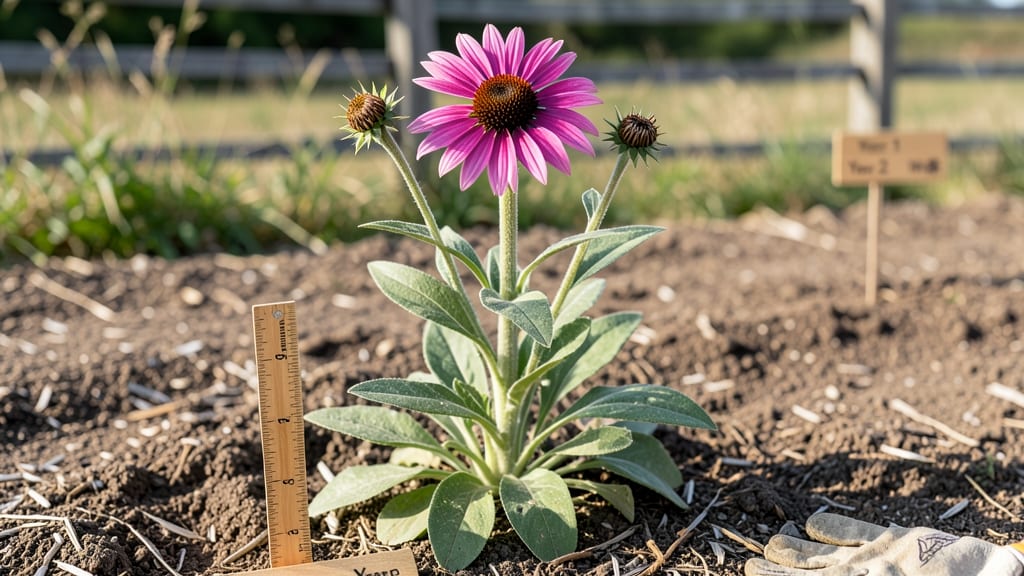
Perennial flowers do grow every year, but their above-ground stems and leaves typically die back completely during winter dormancy, only to sprout fresh growth from their root systems or crowns once temperatures rise. With consistent care, they'll reliably rebloom annually, though some varieties may weaken after 3-5 years.
This winter dormancy isn't a sign of death—it's a survival strategy! 🌱 Perennials store energy in their roots and underground stems (like rhizomes or tubers), allowing them to "sleep" through cold months while conserving resources.
The key difference from annuals is that perennials have persistent root systems that regenerate foliage each spring, while annuals complete their entire life cycle in one growing season. For example, peonies and coneflowers might look completely gone in winter but burst back with vibrant blooms come spring.
What sets true perennials apart is their ability to return year after year, though some—like daylilies—may gradually decline in vigor without proper maintenance.
The secret to their longevity lies in understanding their specific needs: dividing overcrowded clumps every few years, providing adequate moisture during droughts, and protecting them from pests that target weakened plants. This annual renewal cycle is what makes perennials such reliable garden workhorses.
💡 In This Article
- How Perennial Flowers Survive Winter Through Dieback
- Caring for Perennials to Ensure Yearly Blooms
How perennial flowers survive winter through dieback
Perennial flowers use a clever biological strategy called dormancy to survive winter's harsh conditions. During cold months, their above-ground growth shrivels and dies back, but the real magic happens below soil level.
Roots and underground stems (like rhizomes or tubers) store carbohydrates, proteins, and water in specialized cells, creating a natural energy reserve. This stored energy fuels new growth when temperatures rise in spring.
For example, peonies store enough energy in their thick roots to produce lush foliage and blooms within just 4-6 weeks of spring thaw.
The degree of dieback varies by species. Herbaceous perennials (like hostas and black-eyed Susans) completely lose their stems and leaves, while woody perennials (such as lavender or Russian sage) retain their woody structures but shed leaves.
Cold-hardiness also differs: hardy perennials like coneflowers (USDA zones 3-9) can withstand -30°F winters, while tropical perennials like cannas (zones 8-11) die back unless protected. The key is that these plants prioritize survival over growth during dormancy, conserving energy like hibernating animals.
This winter survival mechanism isn't random—it's an evolutionary adaptation. Dormancy prevents dehydration and frost damage while allowing plants to "wait out" unfavorable conditions. The root systems continue slow metabolic processes, maintaining just enough activity to stay alive.
What's fascinating is how some perennials can remain dormant for months without visible growth, yet still emerge with perfect timing when conditions improve. This precision is controlled by internal biological clocks responding to temperature and daylight cues.
Not all perennials handle dieback the same way. Some, like daylilies, produce new shoots from their crowns, while others (such as asters) regenerate from fibrous roots.
The storage organs vary too: bulbs (like daffodils) store energy in swollen underground stems, while rhizomes (like iris) spread horizontally to create new growth points. Understanding these differences helps gardeners provide the right care during each season.
For instance, mulching with 3-4 inches of organic material protects roots from extreme temperature swings.
One common misconception is that dead-looking stems mean the plant is dead. In reality, these stems often serve as insulation for the crown. Cutting them back too early can expose the crown to cold, while leaving them too long may harbor pests.
The ideal time to clean up is when new growth appears in spring, signaling the plant has successfully broken dormancy. This timing varies by region—typically late winter to early spring—and depends on local climate patterns.
What's particularly interesting is how perennials balance growth and survival. During summer, they focus on producing flowers and seeds (reproductive growth), while in fall they shift to storing nutrients. This seasonal shift is governed by plant hormones like abscisic acid, which triggers dormancy.
The result is a plant that appears to "reset" annually, emerging each spring with fresh vigor—if given the right conditions. This annual renewal is what makes perennials such reliable garden performers compared to annuals that must be replanted yearly.