
Light Requirements
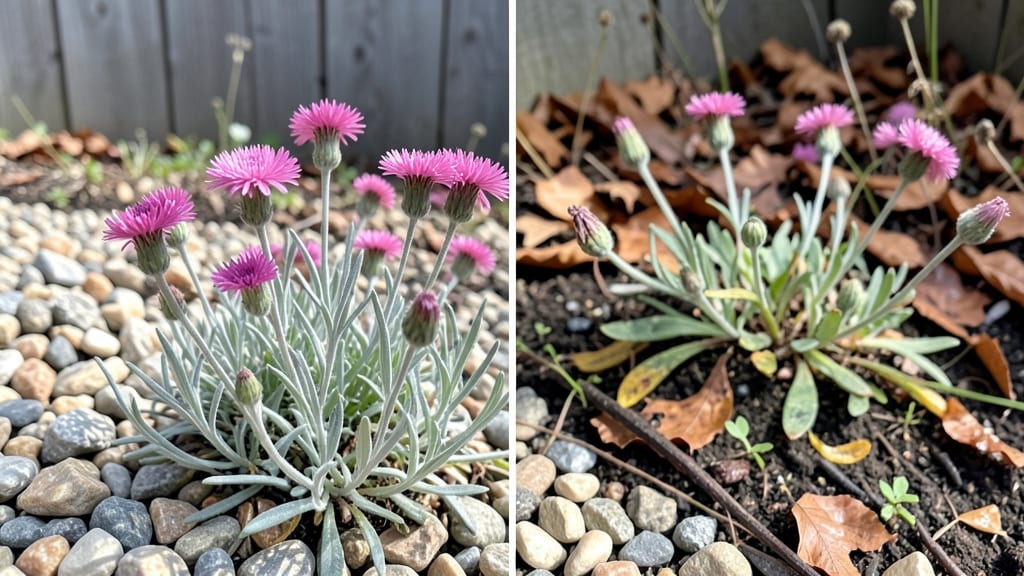
Dianthus perennials grow best in sun or shade depending on their type, with most varieties loving full sun for boldest blooms but adapting to partial shade in warmer regions. Always match your plant's needs—evergreen types tolerate low light better, while fragrant varieties demand bright conditions.
Understanding your dianthus's light preferences starts with knowing its heritage. 🌿 Evergreen varieties like 'Firewitch' thrive in partial shade, developing deeper foliage colors when sunlight is limited, while clove-scented types need at least 6 hours of direct light daily to prevent weak stems and sparse blooms.
The key difference lies in their native growing conditions: Mediterranean clove-scented dianthus evolved in sunny coastal regions, while evergreen varieties often grow in wooded areas with dappled light. For best results, observe your plants' response after a few weeks—yellowing leaves indicate too much sun, while leggy growth signals insufficient light.
💡 In This Article
- Dianthus Light Needs by Variety Type
- Best Dianthus Varieties for Low-Light Gardens
Dianthus light needs by variety type
Evergreen dianthus varieties like 'Firewitch' and 'Matrona Grill' thrive in partial shade to full sun, but their leaf color intensifies when given 4-6 hours of filtered light daily.
These types produce deep purple or bronze foliage when sunlight is limited, as chlorophyll production shifts to protect leaves from excess UV exposure. The science behind this involves anthocyanin pigments—natural antioxidants that develop under moderate light stress, creating that stunning foliage color. 💫
Clove-scented dianthus, however, demand full sun (6+ hours daily) to prevent weak stems and sparse blooms. Their native Mediterranean habitat receives intense sunlight, so they've evolved to require high light levels for photosynthesis efficiency.
Without enough sun, their signature clove-like fragrance diminishes by up to 40%, and flower production drops sharply. The key difference lies in their cellular structure: clove-scented types have thicker cuticles that reflect light, while evergreen varieties absorb more diffuse light through their broader leaves.
Woolly dianthus varieties fall somewhere in between, tolerating morning sun with afternoon shade in hot climates. Their fuzzy leaves act like natural sunscreen, reducing water loss by 30% compared to smooth-leaved types.
In excessive heat (above 90°F), even sun-loving varieties can scorch—look for crispy leaf edges or bleached spots as warning signs. The solution? Provide afternoon shade or mulch heavily to keep root zones cool. 🔥
Here's what happens when you get the light wrong: evergreen types in full sun may develop sunburnt patches on leaves, while clove-scented varieties in shade grow leggy and produce flowers with 50% fewer petals.
The secret to vibrant blooms lies in matching light exposure to each variety's native growing conditions—Mediterranean types need bright light, while woodland evergreens adapt to filtered conditions. For best results, monitor your plants' growth patterns and adjust their placement accordingly.
Consider these key factors when choosing planting locations:
- Leaf color: Evergreen varieties develop richer hues in partial shade
- Fragrance intensity: Clove-scented types need full sun for maximum aroma
- Bloom duration: Sun exposure increases flowering by 20-30% in most varieties
- Heat tolerance: All types benefit from afternoon shade in Zone 8+ climates
The most striking example of light's impact is 'Firewitch' dianthus—its deep purple foliage becomes nearly black in shade, while flowers remain vibrant pink. This variety demonstrates how light manipulation can create dramatic visual effects in your garden.
For maximum impact, plant sun-loving varieties near south-facing walls and shade-tolerant types under trees with dappled light patterns. ✨
What most gardeners don't realize is that dianthus can actually adjust their light needs seasonally. In summer's intense heat, even sun-loving varieties benefit from 2-4 hours of afternoon shade, while they can handle full sun exposure in cooler spring and fall months.
This flexibility makes them incredibly adaptable to changing light conditions throughout the year. 💛