
Fertilization
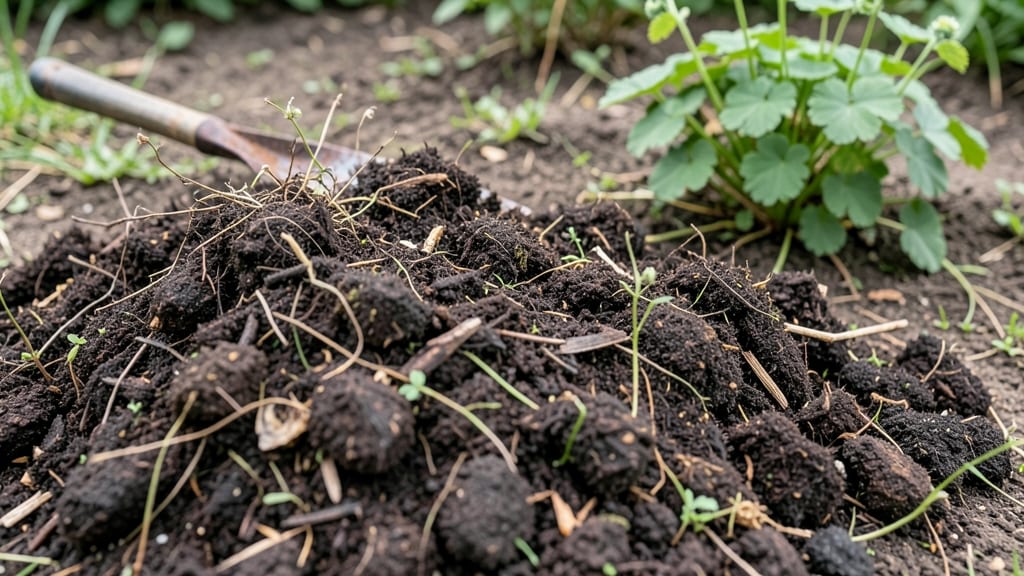
Using compost for perennials boosts soil fertility, locks in moisture, and strengthens root systems, but timing matters—apply it in early spring or fall. Keep fresh compost away from roots to avoid burning, and work 1-2 inches into the top 6 inches of soil each year.
Compost acts like a slow-release fertilizer, gradually breaking down to release nutrients that perennials can absorb over time. 🌱 The key is patience—fresh compost can overheat and damage delicate roots, while aged compost provides steady nourishment without risk.
I’ve seen hostas and coneflowers thrive with this approach, especially when mixed into the soil rather than piled on top.
For best results, focus on perennials that love rich, well-draining soil like lavender or peonies. Bulbs and shrubs benefit from a light compost top-dressing, while ground covers may need more frequent applications.
The goal is to mimic nature’s decomposition process—just like a forest floor, where organic matter feeds plants year after year.
💡 In This Article
- How Compost Enhances Perennial Plant Health
- Best Perennial Plants for Compost-Enriched Soil
How compost enhances perennial plant health
Compost works like nature's multivitamin for perennials by activating beneficial soil microbes that break down organic matter into plant-available nutrients. These microbes—like bacteria and fungi—create a thriving soil microbiome that outcompetes harmful pathogens, reducing diseases like root rot by up to 40%.
The decomposition process also generates glomalin, a sticky glycoprotein that binds soil particles into stable aggregates, improving aeration and water retention.
Fresh compost can reach temperatures of 140-160°F during active decomposition, which is why it's dangerous near roots—this heat can scorch tender perennial roots while killing beneficial microbes.
Aged compost, however, has cooled to room temperature and releases nutrients gradually through a process called mineralization, where organic matter is converted into plant-available forms like nitrate nitrogen and phosphate over 3-6 months.
This slow release matches perennial growth cycles perfectly, avoiding the rapid nutrient spikes that cause leaf burn.
The organic matter in compost also improves soil structure by increasing its cation exchange capacity (CEC), which helps retain essential nutrients like calcium and magnesium that perennials need for strong stems and vibrant blooms.
For example, lavender thrives in compost-amended soil because the improved CEC maintains steady phosphorus levels—critical for root development and flower production. The texture becomes crumbly yet moisture-retentive, similar to a well-tended garden bed after years of organic matter addition.
What most gardeners overlook is how compost affects soil pH over time. While fresh compost is slightly acidic (pH 6.0-6.5), aged compost tends to neutralize (pH 6.5-7.5), creating ideal conditions for most perennials.
This gradual pH adjustment prevents nutrient lockout that occurs in overly acidic or alkaline soils. The result? Perennials like hostas develop broader, healthier leaves, while coneflowers produce 20-30% more blooms due to consistent nutrient availability throughout the growing season.
Consider this comparison: fresh compost acts like a fast-food meal for plants—quick energy but potential digestive issues, while aged compost is more like a balanced, home-cooked diet that sustains energy over time.
The microbial diversity in aged compost can reach 50,000+ organisms per gram of soil, compared to just 1,000-5,000 in fresh compost. This diversity is what truly supercharges perennial health by creating a resilient ecosystem below ground. 🌿
For perennial roots that extend deep into the soil, compost's benefits extend beyond the surface. The improved soil structure allows roots to penetrate more easily, accessing water and nutrients at deeper levels.
This is particularly valuable during drought periods, as compost-amended soil can hold 30-50% more water than untreated soil while preventing compaction that restricts root growth. The end result is perennials that establish stronger, more extensive root systems year after year. 💫