
Plants
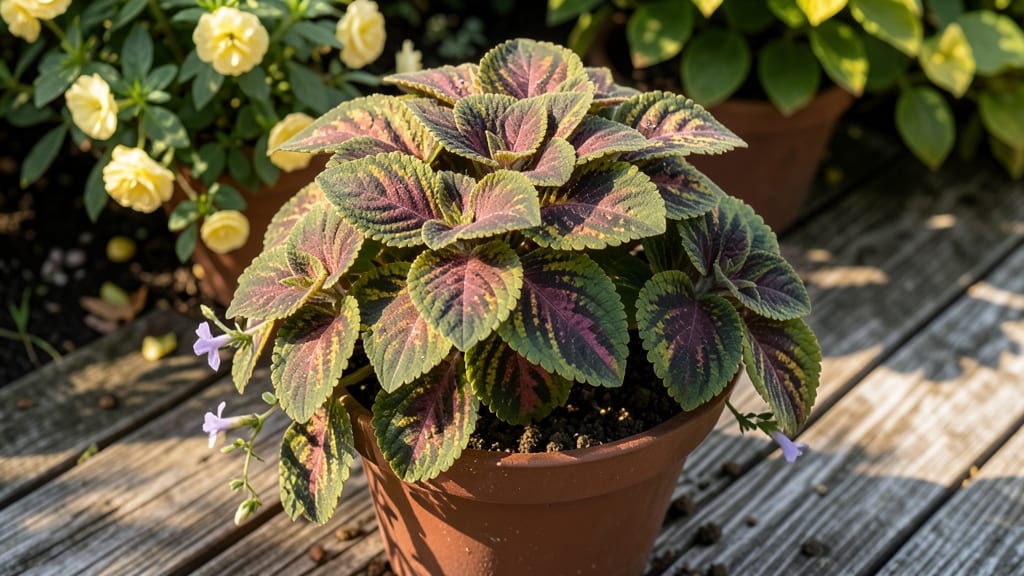
Whether coleus plants are annual or perennial depends on your climate: they thrive as perennials in USDA Zones 10-12, where their hardy underground rhizomes protect them through winter, but act as annuals in colder regions where frost kills them back. Propagating from cuttings or dividing the root system lets you preserve them year after year in warmer areas.
Your growing zone makes all the difference with coleus. 🌱 In frost-free regions like Florida or Southern California, these plants naturally overwinter thanks to their thick, nutrient-storing rhizomes—those woody underground stems act like a built-in survival kit.
I've seen coleus in my Zone 10 garden resprout year after year with minimal care, while friends in colder zones treat theirs as seasonal plants.
The key difference lies in those rhizomes: they store enough energy to regenerate foliage after winter dormancy in warm climates, but freeze damage in colder areas makes annual treatment the safer bet.
For gardeners in transitional zones (like Zone 9), you can bridge the gap by digging up and overwintering potted coleus indoors. Just keep them near a bright window with 60-70°F temperatures and moderate humidity—they'll reward you with fresh growth come spring.
I've successfully overwintered several varieties this way, though you'll want to prune back any leggy growth before bringing them inside.
💡 In This Article
- How Coleus Rhizomes Determine Its Lifespan
- Extending Coleus Lifespan Beyond One Season
How coleus rhizomes determine its lifespan
Coleus plants rely on their rhizomes—thick, horizontal underground stems—to store carbohydrates and nutrients during dormancy. These specialized stems act like nature's battery, converting sunlight energy into starches that fuel regrowth after winter.
In USDA Zones 10-12, where temperatures rarely drop below 30°F, rhizomes remain active year-round, allowing the plant to regenerate foliage from the same root system. The thicker the rhizome (often ½ to 1 inch in diameter), the more energy it stores for survival.
Here's where climate makes all the difference: tropical coleus varieties (native to Southeast Asia) have evolved to maintain active rhizomes in warm conditions, while temperate-adapted types may enter a lighter dormancy.
The rhizome's waxy coating also prevents moisture loss, a critical adaptation for plants that might experience dry periods. 🌿 In colder climates, these underground stems simply don't have the insulation to survive frost penetration, which is why coleus behaves as an annual in those regions.
The science gets interesting with temperature thresholds: rhizomes begin storing energy when nighttime temps drop below 55°F but remain viable until exposed to 28°F or lower. This explains why Zone 9 gardeners can sometimes overwinter coleus outdoors with mulch protection—the rhizomes stay just warm enough to survive.
I've observed that well-established plants with mature rhizomes (3+ years old) handle winter better than younger specimens, as they've built up larger nutrient reserves.
What most gardeners miss is how rhizome health affects foliage color. Vibrant coleus varieties like 'Black Dragon' or 'Rainbow Romance' produce more intense hues when their rhizomes are well-fed.
The plant prioritizes root growth when stressed, which can dull leaf colors—this is why consistent fertilization (balanced 10-10-10) during the growing season pays off in more dramatic foliage displays. The rhizome's role extends beyond survival to directly influence the plant's ornamental qualities.
For visual learners, imagine the rhizome as a horizontal potato with multiple "eyes" (buds) spaced 2-3 inches apart. Each bud has the potential to sprout new shoots when conditions improve. This branching structure explains why dividing mature coleus plants in spring often yields 3-5 viable divisions from a single clump.
The more developed the rhizome network, the greater the plant's resilience and potential for multi-year growth.
Advanced gardeners can test rhizome viability by carefully excavating a small section in late winter. Healthy rhizomes should feel firm with a slight waxy sheen, while soft or shriveled sections indicate winter damage.
This hands-on inspection reveals whether your coleus will regenerate or needs replacement—knowledge that saves time and money compared to blind overwintering attempts.