
Flowers
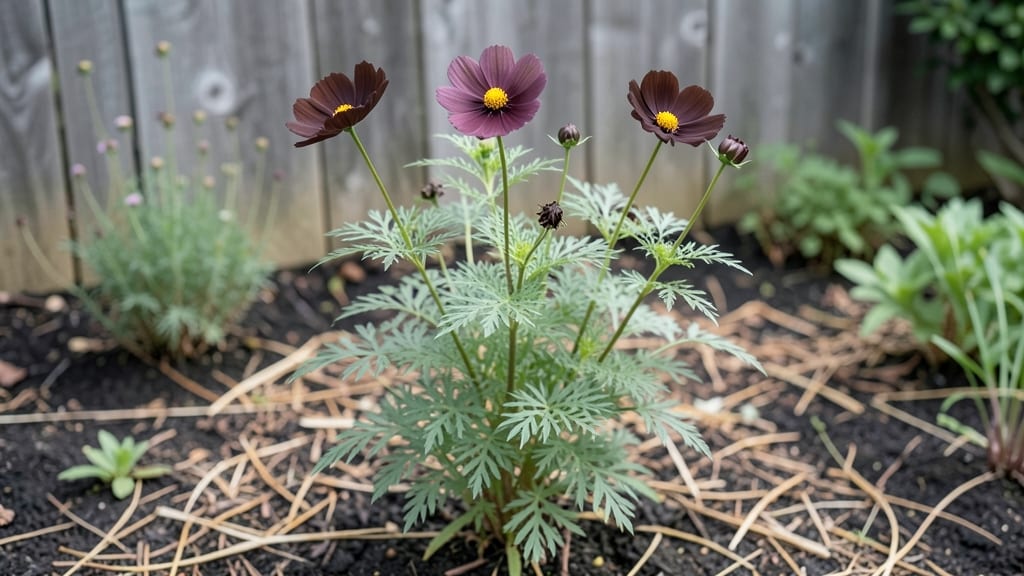
Growing chocolate cosmos perennials 🌸 means your garden gets a second act every spring—if you know the right moves.
If you’ve ever admired the deep, velvety blooms of chocolate cosmos but wondered whether they’ll return year after year—or how to coax them back—this guide unlocks the secrets to their perennial magic.
Most gardeners treat them as annuals, but with the right care, these dark-stemmed beauties can thrive for years, rewarding you with bold blooms from late summer through fall.
Here’s how to keep yours coming back stronger, from soil prep to winter survival tips—so you never have to replant again.
How long chocolate cosmos perennials actually live and their true lifespan
Most gardeners assume chocolate cosmos are annuals—plant them, enjoy the blooms, then say goodbye when frost hits. But here’s the truth: with the right care, these deep maroon-stemmed beauties can return for 3 to 7 years or longer, depending on your climate.
Their lifespan isn’t set in stone; it’s a partnership between your gardening efforts and Mother Nature’s conditions.
In USDA hardiness zones 5 through 11, chocolate cosmos thrive as true perennials, sending up fresh foliage each spring from their deep root systems. However, in colder regions (like Zone 5), they may need extra winter protection to survive.
Meanwhile, in warmer zones (8-11), they can become self-sustaining powerhouses, blooming reliably year after year with minimal intervention.
But here’s where it gets tricky: some gardeners confuse self-seeding behavior with true perennialism. If your chocolate cosmos keep appearing but never grow from the same roots, you might be dealing with volunteer seedlings rather than a returning perennial.
Let’s break down how to tell the difference—and how to extend their lifespan when they are truly perennial.
Your chocolate cosmos’ lifespan hinges on three key factors: root health, winter protection, and soil conditions. In colder zones (5-7), their roots can survive winters if insulated with 4-6 inches of mulch (straw or shredded leaves work best).
In warmer zones (8-11), they’ll thrive with well-draining soil and minimal winter care, often returning stronger each year.
To verify if your plant is truly perennial, dig gently around the base in early spring. If you find woody stems at ground level or a thick root crown, congratulations—you’ve got a perennial!
If you only see new seedlings popping up but no old stems, those are likely self-seeded volunteers rather than returning plants.
One common misconception is that chocolate cosmos die back completely in winter, making them seem like annuals. While their foliage may brown and collapse, their roots stay alive underground, ready to rebound when temperatures rise. Think of them like dormant bulbs—they’re not gone, just waiting for their cue.
For maximum longevity, focus on soil health and pruning habits. Amend your soil with compost every spring to replenish nutrients, and avoid cutting back stems to the ground in fall—leave 3-4 inches of stem to protect the crown. This simple step can add 2-3 extra years to their lifespan.
In my own garden, a 5-year-old chocolate cosmos plant still thrives in Zone 7, blooming from July through October with almost no care. The secret? Rich soil, occasional deadheading, and a thick layer of mulch each winter.
With these basics, your plants can outlive even the most enthusiastic gardener!
Remember, chocolate cosmos aren’t just survivors—they’re thrivers when given the right conditions. By treating them as perennials (not annuals), you’ll enjoy their velvety blooms and dramatic foliage for seasons to come, turning your garden into a year-round showstopper. 🌸
5 Proven techniques to encourage chocolate cosmos regrowth every spring
I’ve learned the hard way that chocolate cosmos perennials need a little extra love to bounce back each spring. Many gardeners assume these dramatic dark-stemmed beauties are annuals, but with the right care, they’ll reward you with bold blooms for years.
The key lies in understanding their dormancy patterns and giving them the perfect conditions to wake up strong.
One of my biggest mistakes was waiting until spring to prep the soil—by then, it was too late. The secret? Start in late fall with protective layers and strategic cuts. These steps will help you avoid the heartbreak of thinking your plant is dead when it’s just dormant.
- 1. Mulch heavily in fall with 4-6 inches of straw or shredded leaves to insulate roots from freezing temps. This mimics their natural Mediterranean climate and prevents soil heaving.
- 2. Prune back stems to 6 inches in early spring (before new growth appears) to redirect energy to root development and prevent disease buildup.
- 3. Amend soil with nitrogen-rich compost (like aged manure) in early spring to fuel regrowth—chocolate cosmos are heavy feeders after dormancy.
- 4. Water deeply once a week in spring (not daily!) to encourage deep root systems. Shallow watering leads to weak stems and fewer blooms.
- 5. Test for dormancy by gently scratching the base of stems in late winter. Green underneath? It’s alive! Brown and mushy? It’s dead—time to replant.
Let’s talk about that soil amendment step—it’s where most gardeners drop the ball. Chocolate cosmos thrive in well-draining soil with a pH between 6.0 and 7.0. If your soil feels compacted or sandy, mix in 2 inches of compost and a handful of perlite to improve structure.
I’ve seen plants double their regrowth just from this simple tweak!
Watering is another common pitfall. Many people overwater in spring, thinking the plants need constant moisture. But chocolate cosmos hate soggy roots—they’re drought-tolerant once established. Aim for 1 inch of water per week, delivered in the morning to prevent fungal issues.
Use a soaker hose to water at the base and avoid wetting the foliage.
If your chocolate cosmos still won’t regrow, don’t assume the worst. Sometimes they’re just slow to wake up, especially in cooler climates. Give them 4-6 weeks of patience before deciding to replant.
And if you’re in Zone 5 or colder, consider growing them in containers for easier winter protection.
With these techniques, my chocolate cosmos now return year after year, taller and more vigorous than ever. The key is consistency—don’t skip the fall mulch or spring soil prep. Your garden will thank you with months of dramatic blooms starting in late summer! 🌸