
Orchid Care
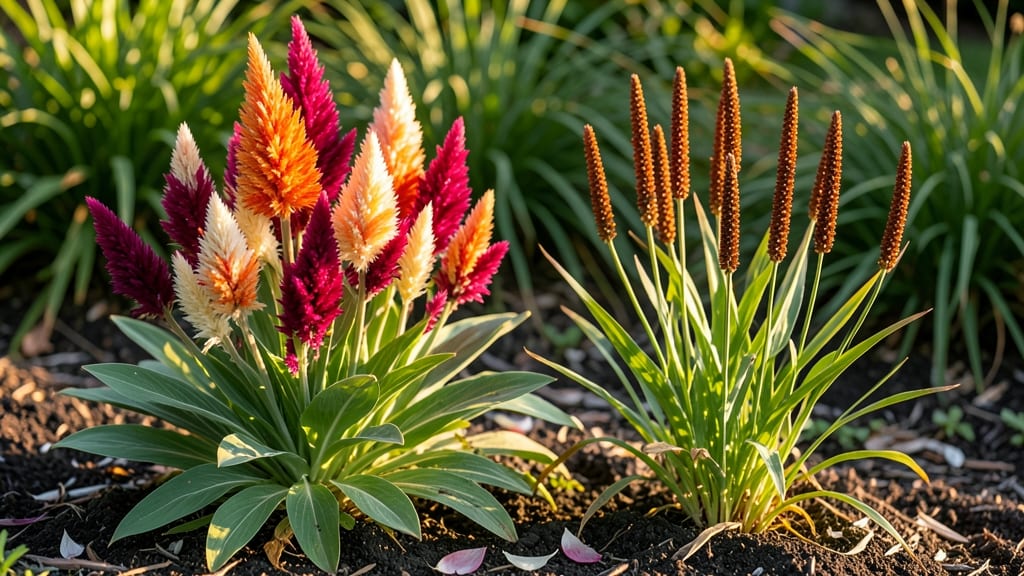
Whether celosia grows as an annual or perennial depends entirely on your climate—it dies back with frost but can become a long-lived perennial in frost-free zones with proper seasonal care.
This tropical plant's origins in warm climates explain why it struggles with cold. Frost sensitivity is the key factor—once temperatures drop below 32°F, celosia's tender foliage freezes, killing the plant. 🌡️ In USDA zones 10-11, however, gardeners can coax it into perennial behavior through strategic pruning and winter protection.
The secret lies in mimicking its natural tropical environment by keeping soil temperatures stable and providing light winter mulch.
For those in transitional zones (like zone 9), overwintering indoors with grow lights can extend its life cycle. I've seen celosia plants in containers survive multiple seasons this way—just don't let them go dormant for too long.
The plant's ability to regrow from the base in spring is what makes it worth the extra effort for perennial lovers.
💡 In This Article
- How Climate Determines Celosia’s Annual vs Perennial Nature
- Extending Celosia’s Life: Year-Round Care Tips for Warm Climates
How climate determines celosia’s annual vs perennial nature
Celosia's tropical heritage explains why it acts as an annual in most gardens. Originating from regions like Southeast Asia and Africa where temperatures rarely dip below 60°F, this plant lacks the cold-hardiness mechanisms found in perennials like lavender or hostas.
The critical threshold is 32°F—once frost hits, celosia's thin stems and broad leaves freeze solid, leading to irreversible cellular damage. 🌡️ This is why even established plants in colder zones die back completely each winter, forcing gardeners to replant annually.
The USDA hardiness zone system perfectly illustrates this divide. In zones 1-9, celosia's life cycle naturally resets annually because winter temperatures consistently drop below 32°F for extended periods. However, in zones 10-11 where winters rarely see frost, celosia's biological clock doesn't reset—it can continue growing year-round.
The difference lies in the plant's ability to maintain active growth through winter, which requires soil temperatures above 50°F and consistent moisture.
What makes this particularly interesting is celosia's growth habit. Unlike biennials that store energy underground, celosia focuses all its resources on above-ground foliage and seed production. This energy allocation strategy works perfectly in its native tropical environment but becomes a liability in colder climates where winter dormancy would be beneficial.
The plant's inability to enter true dormancy explains why it struggles to persist through freeze-thaw cycles.
For comparison, consider how other tropical plants handle similar conditions. Hibiscus, another frost-sensitive plant, follows the same annual pattern in colder zones but can be overwintered indoors. Celosia's challenge is greater because its thick, waxy leaves—while beautiful—actually make it more susceptible to frost damage than thinner-leaved plants.
The wax layer prevents gas exchange during freezing, trapping moisture that crystallizes within cells.
Here's what happens at the cellular level: When temperatures drop below 32°F, celosia's cell walls rupture from ice crystal formation, a process called "freeze dehydration." This is irreversible damage that kills the plant's vascular system.
In contrast, cold-hardy perennials have developed mechanisms like antifreeze proteins or deep root systems to survive these conditions. Celosia simply lacks these adaptations from its tropical evolution.
The takeaway is clear: celosia's annual vs. perennial status isn't about the plant itself but about your local climate. In frost-free zones, it can live for years with proper care, while in colder regions, its tropical nature makes annual planting the only reliable option.
This fundamental understanding explains why you'll see celosia thriving as a perennial in Florida gardens but dying back completely in New England each winter.