
Planting
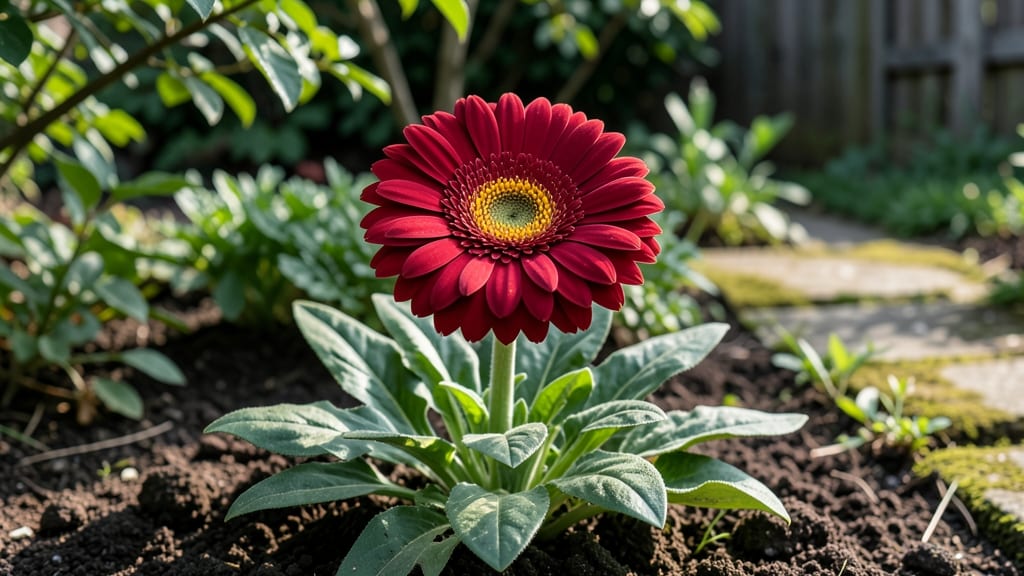
Gerbera daisy plants act as perennials in warm climates, where they die back in winter but regrow from their roots when temperatures warm up, though they’re typically grown as annuals in colder regions where frost kills them back each year.
This behavior comes down to their natural resilience and adaptability. 🔥 In frost-free zones like USDA zones 9-11, gerbera daisies develop deep, hardy roots that survive winter dormancy—similar to how daylilies or cannas behave.
The key difference is that colder climates lack the consistent warmth needed for their root systems to recover naturally. Even in these regions, you can encourage perennial growth with proper winter protection, like heavy mulching or container cultivation.
What many gardeners don’t realize is that gerbera daisies actually prefer cooler temperatures for root development—this is why they thrive in spring and fall but often struggle in peak summer heat.
The confusion around their lifespan stems from how nurseries typically sell them as annuals, even though they have the biological potential to return year after year with the right care.
💡 In This Article
- How Gerbera Daisies Survive Winter as Perennials
- Extending Gerbera Daisy Lifespan in Different Climates
How gerbera daisies survive winter as perennials
Gerbera daisies rely on a specialized survival mechanism called geophytic dormancy, where their energy reserves shift underground during cold months. Their fibrous root systems, which can extend 12-18 inches deep, store carbohydrates and nutrients that sustain the plant through winter.
This root system is far more robust than most gardeners realize—similar to how peonies or hostas overwinter successfully in their native ranges.
The temperature trigger for regrowth occurs at 55-60°F, when root cells begin metabolizing stored starches into sugars for new growth. In frost-free zones (USDA 9-11), this process happens naturally each spring.
The plant’s leaves die back to conserve energy, but the roots remain viable, ready to push new shoots when conditions improve. This is why you’ll often see gerberas blooming again within 6-8 weeks of warm weather returning.
Contrast this with colder climates where temperatures drop below 25°F for extended periods. At these levels, the root cells freeze and rupture, killing the plant’s ability to regenerate. The confusion arises because gerberas are tropical natives (originally from South Africa), adapted to consistent warmth rather than seasonal extremes.
Their annual treatment in colder regions isn’t a biological limitation but rather an environmental one.
What’s fascinating is how their dormancy cycle mirrors other tropical perennials like cannas or caladiums. All three plants share this "die-back-and-regrow" strategy, though gerberas are far less commonly cultivated as perennials.
Their bright, cheerful blooms make them popular annuals, but their root systems prove they’re built for longevity with the right conditions.
For gardeners in marginal zones (8-9), the difference between annual and perennial growth often comes down to microclimate protection. A south-facing bed with afternoon sun, for example, can provide 5-10°F of additional warmth compared to open, exposed areas.
This small temperature buffer can mean the difference between a plant that survives and one that doesn’t.
Even in ideal conditions, gerberas won’t regrow from seed—they must come back from their established root crowns. This is why dividing mature plants every 2-3 years helps maintain vigor.
The root system naturally produces new shoots from its base, creating a clump that can be separated and replanted to create multiple perennial plants.
The science behind this resilience lies in their crassulacean acid metabolism (CAM) pathway, which helps them conserve water during dry periods.
While this isn’t directly related to winter survival, it contributes to their overall hardiness. 💫 This metabolic efficiency means gerberas can focus energy on root development rather than constant water uptake, giving them an edge in both drought and cold tolerance.