
Flowers
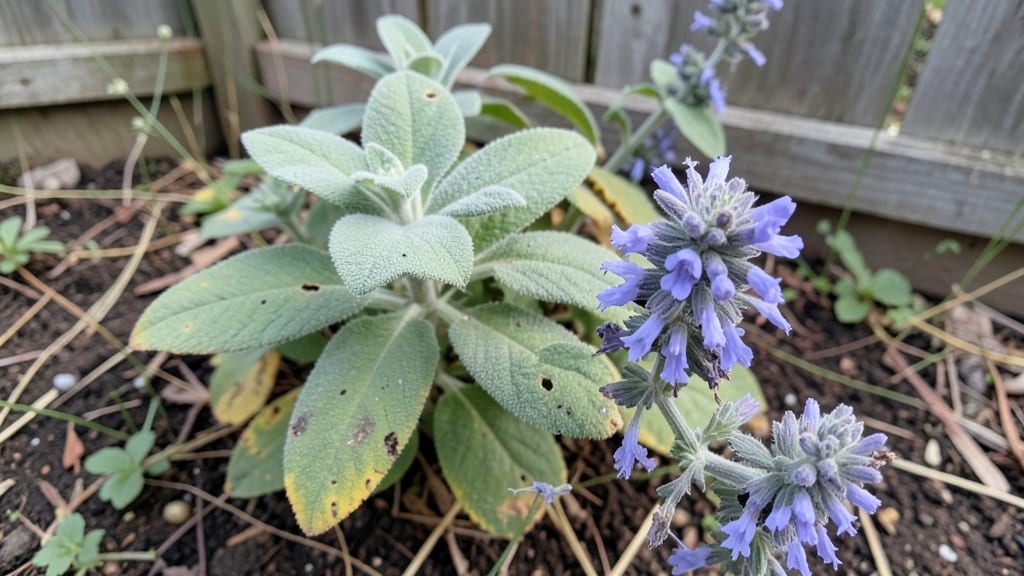
Growing a cat mint perennial 🌿 could be the easiest way to add a fragrant, low-maintenance herb to your garden that doubles as a cat magnet and kitchen staple.
Did you know this hardy plant isn’t just a feline favorite—it’s also a versatile powerhouse for your kitchen and medicine cabinet? From soothing teas to pest-repelling borders, cat mint thrives in USDA Zone 6a and beyond, offering year-round benefits with minimal effort.
Plant it in spring or early fall for best results, and watch it flourish with just 4-6 hours of sunlight daily. Whether you’re harvesting leaves for culinary magic or letting it spread naturally, this herb is a garden workhorse you won’t want to miss.
In this guide, I’ll walk you through everything from planting tips to harvesting tricks, so you can enjoy a lush, productive cat mint perennial all season long.
How to grow and harvest cat mint perennial for maximum yield
If you’ve ever watched your feline friend roll in a patch of cat mint with pure bliss, you know this herb is irresistible. But did you also know it’s equally irresistible for your garden?
This perennial herb thrives with minimal fuss, offering fragrant foliage perfect for cooking, teas, and even natural pest control. The secret to a lush, productive cat mint plant lies in proper planting, sunlight management, and smart harvesting techniques.
Unlike high-maintenance plants, cat mint adapts to partial shade and well-draining soil, making it ideal for both beginner and experienced gardeners. With the right care, you’ll enjoy a continuous harvest from summer through early fall.
Let’s dive into the step-by-step process to grow your own thriving cat mint perennial that will keep your cats happy and your kitchen stocked with fresh herbs.
Step-by-Step Guide to Growing Cat Mint Perennial
-
Step 1: Choose the Right Location
Select a spot with 4-6 hours of sunlight daily, preferably morning sun and afternoon shade. Avoid full sun in hot climates to prevent leaf scorch or leggy growth.
-
Step 2: Prepare the Soil
Amend your soil with compost or aged manure to ensure it’s well-draining and slightly acidic to neutral (pH 6.0-7.0). Cat mint dislikes soggy roots, so raise beds if your soil is heavy clay.
-
Step 3: Plant at the Right Time
Plant cat mint perennial in spring (after last frost) or early fall (September-October in most regions). This gives roots time to establish before winter or summer heat.
-
Step 4: Plant Correctly
Space plants 18-24 inches apart to allow for spreading. Dig a hole twice as wide as the root ball and plant at the same depth as the container. Water thoroughly after planting.
-
Step 5: Water Consistently
Keep soil evenly moist but not waterlogged. Water deeply in the morning to encourage strong root growth. Reduce watering in fall and winter as the plant enters dormancy.
-
Step 6: Fertilize for Growth
Apply a balanced fertilizer (10-10-10) every 4-6 weeks during the growing season (spring and summer). Use 1 tablespoon per plant and water it in immediately.
-
Step 7: Prune for Bushiness
Pinch back tips of new growth in early spring to encourage a fuller, bushier plant. Remove flower spikes as they appear to redirect energy into leaf production.
-
Step 8: Harvest Regularly
Harvest leaves when the plant is at least 6 inches tall and stems are firm. Snip outer leaves or stems just above a leaf node to encourage new growth. Avoid harvesting more than 1/3 of the plant at once.
-
Step 9: Control Pests Naturally
Cat mint is generally pest-resistant, but watch for aphids or spider mites. Spray with neem oil or introduce ladybugs for organic pest control. Avoid chemical pesticides to preserve the plant’s natural scent.
-
Step 10: Overwinter with Care
Mulch around the base with 2-3 inches of straw or leaves in late fall to protect roots from freezing. Reduce watering in winter, but don’t let soil dry out completely.
One of the best parts about growing cat mint perennial is its ability to self-seed and spread naturally. If you notice it popping up in unexpected spots, don’t worry—this is a sign of a healthy, established plant.
However, if it becomes too aggressive, you can dig up and relocate unwanted shoots to other areas of your garden.
For maximum yield, focus on regular harvesting and pruning. The more you harvest, the bushier and more productive your plant will become. Just be sure to leave enough foliage to keep the plant thriving.
With these tips, you’ll enjoy a continuous supply of fragrant cat mint all season long.
Pro tip: If you live in a warmer climate (USDA Zone 8 and above), consider growing cat mint in containers for easier control over its spread. This also makes it easier to bring indoors during extreme heat or cold snaps.
Now that you’re equipped with the knowledge to grow a thriving cat mint perennial, it’s time to get planting! Whether you’re using it to attract cats, repel pests, or add flavor to your meals, this hardy herb is a must-have in any garden.
Top 5 culinary uses of cat mint perennial in cooking and tea blends
Once you’ve grown your own cat mint perennial, you’ll discover its bright, citrusy flavor elevates everything from salads to cocktails. Unlike peppermint, cat mint has a subtle anise-like note that pairs beautifully with savory and sweet dishes.
I’ve experimented with it in my garden kitchen, and the results are always fresh and fragrant.
The best part? You can use fresh or dried leaves from your garden all year. Whether you’re making herbal teas or finishing dishes, this versatile herb never disappoints. Let’s explore five delicious ways to put your homegrown cat mint to work!
- 1. Cat Mint Pesto – Blend fresh cat mint leaves, garlic, pine nuts, Parmesan, and olive oil for a lighter, floral pesto perfect on pasta or sandwiches.
- 2. Infused Oils – Steep harvested cat mint in olive oil for 2 weeks, then strain. Use it to dress salads or drizzle over roasted vegetables.
- 3. Herbal Tea Blends – Combine dried cat mint with chamomile or lemon balm for a calming, digestive tea. Add honey for extra soothing power.
- 4. Minty Cocktails – Muddle cat mint leaves with lime and simple syrup for a refreshing twist on mojitos or gin fizzes.
- 5. Savory Lamb Chops – Rub fresh cat mint on lamb before grilling for a fragrant, aromatic finish that pairs perfectly with rosemary.
For best flavor, always harvest leaves in the morning after the dew has dried. This ensures the essential oils are at their peak potency. Store fresh leaves in the fridge for up to a week or dry them for long-term use.
If you love experimenting, try combining cat mint with other herbs like thyme or basil. The citrusy notes complement both savory and sweet dishes, making it a true kitchen MVP. Plus, your garden will smell amazing while you cook!
Next time you’re harvesting, set aside some leaves for drying—it’s the easiest way to enjoy cat mint’s benefits all winter long. Just tie small bundles and hang them upside down in a dark, dry place.