
Orchid Care
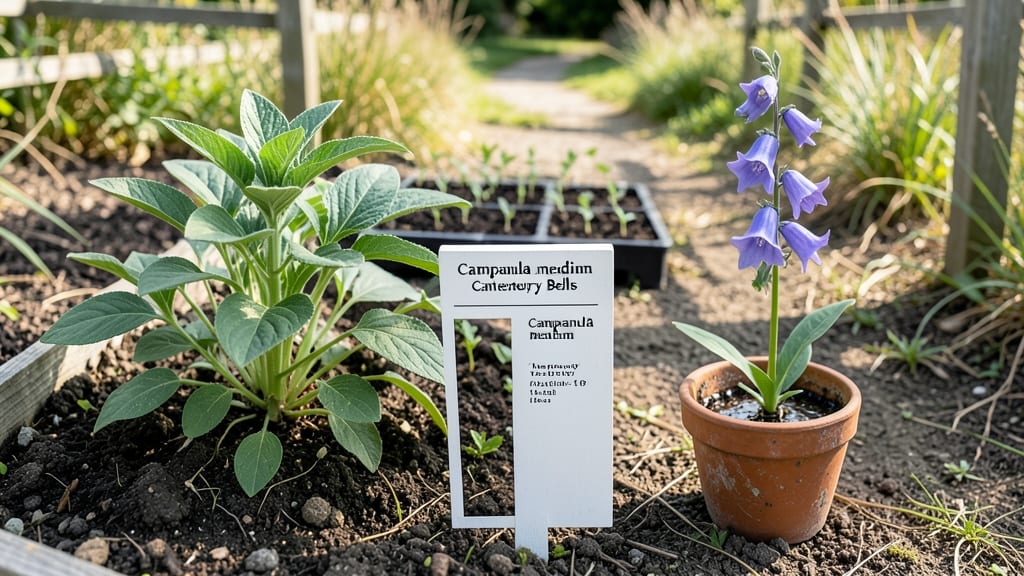
Canterbury bells aren't annuals or perennials—they're biennials, meaning they complete their full lifecycle over two years, flowering and dying back after their second season unless you strategically deadhead to encourage repeat blooms.
This two-year cycle explains why they seem to vanish after blooming: Canterbury bells store energy in their roots during the first year, then produce flowers and seeds in their second year before naturally dying back. 🌱 Unlike perennials that regrow yearly, their lifecycle ends unless you collect seeds to grow new plants or deadhead spent blooms to trigger secondary flowering.
The key difference lies in their root system—biennials allocate resources differently than annuals or perennials, which is why they exhibit this predictable dieback pattern.
Many gardeners mistake them for perennials because of their striking bell-shaped flowers, but their behavior after blooming reveals their true nature. The thickened stems and seed pods that form after flowering are clear indicators of their biennial classification.
Understanding this helps you plan your garden layout—knowing they won't return unless replanted means you can treat them like temporary but dramatic seasonal accents.
💡 In This Article
- How Canterbury Bells’ Biennial Lifecycle Differs From Annuals and Perennials
- Extending Canterbury Bells’ Blooms: Deadheading and Seed Collection Hacks
How Canterbury bells’ biennial lifecycle differs from annuals and perennials
The biennial lifecycle of Canterbury bells begins with a rosette stage during their first year, where they focus solely on building a robust root system and foliage.
Unlike annuals that complete their entire lifecycle in one season, biennials like Canterbury bells (Campanula medium) allocate energy to developing a thickened taproot and basal leaves, storing carbohydrates for the next phase.
This root system can grow up to 12-18 inches deep, allowing them to survive winter dormancy in colder climates—something annuals can't do.
What sets them apart from perennials is their determinate growth pattern. After flowering in their second year, Canterbury bells produce a single, thickened flower stalk (often 2-3 feet tall) that bears their iconic bell-shaped blooms.
The plant then shifts resources entirely to seed production, which triggers its natural dieback. This contrasts with perennials like peonies, which regrow from the same root system year after year. The key visual cue?
Biennials develop swollen stem bases (called "cauliflory") where flowers emerge directly from the stem, while perennials have more flexible, branching growth.
Frost plays a crucial role in this cycle. Many biennials require vernalization—a cold period—to trigger flowering. Canterbury bells planted in fall will often overwinter as rosettes, then bolt into flowering stems the following spring.
The timing of frost can actually extend their blooming window: plants exposed to 30-60 days of temperatures below 40°F produce more robust flower stalks.
This is why they thrive in temperate climates where winters are cold but not extreme—too much frost can kill them prematurely, while mild winters may prevent proper flowering.
Here's where the science gets fascinating: Canterbury bells use a process called apical dominance suppression during their first year. The central growing point (meristem) remains dormant while lateral buds develop into leaves, creating that classic rosette shape.
Only in year two does the apical meristem activate, sending up the flower stalk. This mechanism ensures they don't waste energy on flowers until they've stored enough reserves—a survival strategy that makes them more resilient than true annuals but less persistent than perennials.
Consider this comparison: Annuals like marigolds complete their lifecycle in 90-120 days from seed to seed, while perennials like lavender may live 10-20 years. Canterbury bells fall in between, with a 24-36 month cycle from seed to death.
Their seed pods (which form after flowering) contain 1,000-2,000 seeds, each capable of starting a new biennial cycle—this is why they're often treated as annuals in gardens where seeds aren't collected. The trade-off?
Their dramatic 3-4 week flowering period makes them worth the temporary commitment for gardeners seeking vertical interest and vibrant color.
What most gardeners miss is how their growth habit changes after flowering. The stems become woody and hollow as the plant directs all energy to seed maturation. This is your clue that the plant is exhausting its resources—unlike perennials that maintain some green foliage through winter.
If you see these hollow stems with dried seed pods, you're witnessing the final stage of their natural lifecycle. 🌿