
Orchid Care
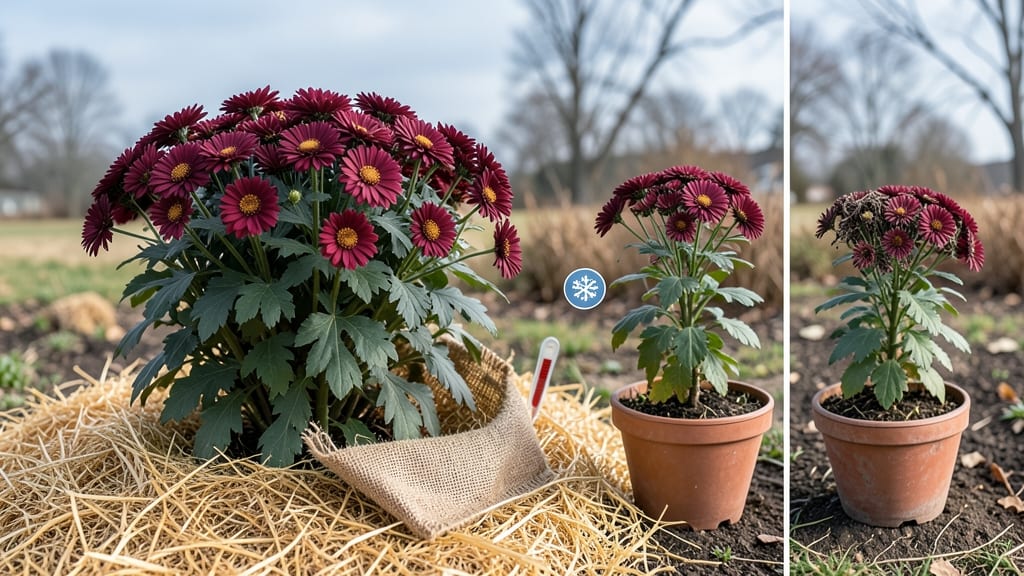
Whether mums are annuals or perennials for winter depends on your climate zone—hardy varieties thrive as perennials in USDA Zones 5-9 but often die back in frost unless you take protective steps. With proper overwintering, many can regrow beautifully in spring.
This distinction comes down to cold hardiness. 🌱 In warmer zones (5-9), mums naturally return each year, but in colder regions, gardeners often treat them as annuals because frost kills the foliage.
The key is understanding how far south your zone extends—some varieties survive down to Zone 3 with protection, while others need to be dug up entirely.
I've seen gardeners in Zone 4 successfully overwinter mums by cutting back stems and piling on mulch, creating a cozy insulating blanket that keeps roots alive beneath the frost line.
What makes this even more interesting is how different mums respond—some varieties like 'Bonanza' or 'Mammoth' are particularly cold-tolerant, while others need extra care. The secret lies in their root systems, which can survive temperatures down to 10°F if protected properly.
This is why you'll often see garden centers selling mums in fall as annuals—they're not accounting for your local microclimate or your willingness to put in the extra effort for perennial care.
💡 In This Article
- How Mums Survive Winter in Different Hardiness Zones
- Overwintering Mums: Step-by-Step Cold Protection Tips
How mums survive winter in different hardiness zones
Mums (chrysanthemums) are classified as perennials in USDA Zones 5-9 because their root systems can survive winter dormancy when temperatures stay above 10°F. The magic happens below ground: mums store energy in their roots during fall, allowing them to regrow once temperatures rise in spring.
In Zone 5, where winters average 0-10°F, many varieties naturally enter dormancy and return each year without intervention. 🌱 The key difference between zones lies in how long the soil remains frozen—Zone 7's milder winters (10-20°F) are far more forgiving than Zone 5's extended cold snaps.
Here's where it gets interesting: mums in Zones 3-4 face a different challenge. While their roots can technically survive -20°F with protection, the prolonged freezing and thawing cycles damage unprotected foliage and stems.
This is why gardeners in these zones often treat mums as annuals—the above-ground plants die back completely, but the roots may still survive if insulated properly.
The science behind this involves cold acclimation, where mums gradually harden off as temperatures drop, but this process requires at least 4-6 weeks of cooling to reach maximum cold tolerance.
What most people don't realize is that mums' cold tolerance varies by variety. For example, garden mum hybrids like 'Bright Lights' or 'Polar Bear' are bred for Zone 4 hardiness, while some florist mums struggle below Zone 7.
The difference comes down to their parentage—garden mums have thicker stems and deeper root systems designed for perennial survival, whereas florist mums prioritize flower production over cold resistance.
This is why you'll see garden centers selling mums as annuals in colder regions—they're often florist varieties that won't survive winter without protection.
Temperature isn't the only factor—soil type plays a crucial role. Sandy soils drain quickly and can protect roots from extreme cold, while clay soils hold moisture that can freeze and damage root systems.
In Zone 6, where winters average 0-10°F, gardeners often see partial dieback but full regrowth in spring because the roots remain viable. The critical threshold is -15°F: below this, even protected mums may struggle unless you take additional measures like deep mulching or container overwintering. 🥶
Consider these zone-specific behaviors when planning your mum care:
- Zones 5-9: Mums naturally overwinter with 3-6 inches of mulch—roots survive, stems die back
- Zones 4-5: Need 8+ inches of mulch or container protection—roots may survive but stems often fail
- Zones 3 or colder: Typically treated as annuals unless dug up and stored indoors
The real secret to perennial mums lies in timing: applying mulch after the first hard frost (when plants have entered dormancy) prevents temperature fluctuations that can damage roots.
I've seen gardeners in Zone 5 extend their mums' lifespan by 5-10 years through consistent mulching and proper watering before dormancy—this builds stronger root systems that can handle more cold stress. The result? Mums that return bigger and bloom more prolifically each year. 🌿