
Orchid Care
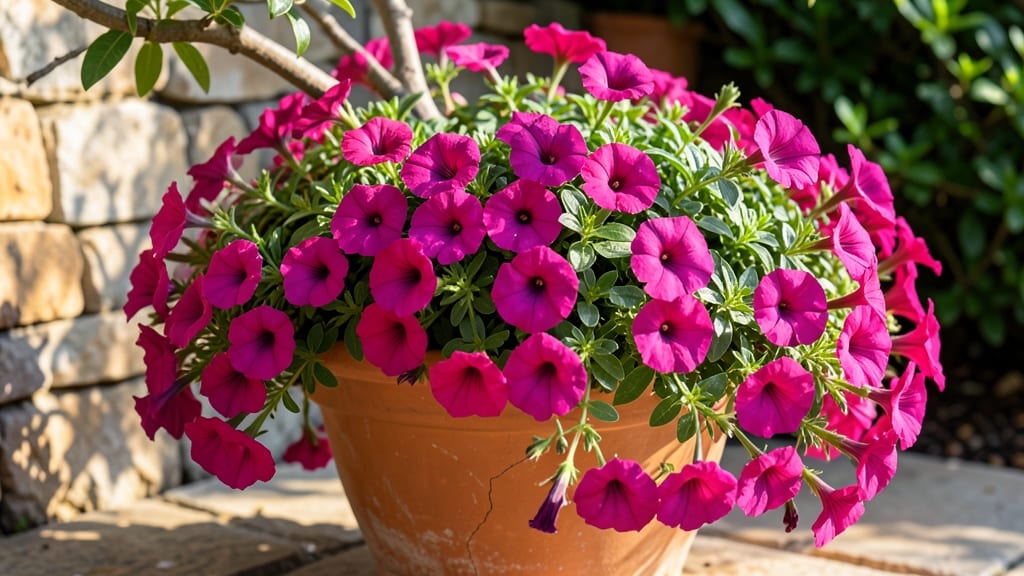
Whether Calibrachoa Superbells act as annuals or perennials depends on your climate zone: they thrive as annuals in cold zones (3-10) but can become perennials in warmer zones (11-12) with proper overwintering care. Cold-hardy varieties might survive mild winters if protected with mulch.
These vibrant flowers follow seasonal patterns tied to temperature—once frost hits, their delicate stems and leaves simply can't withstand the cold. 🌱 In colder regions, gardeners often treat them as seasonal plants, replanting fresh starts each spring, while those in frost-free zones can coax them into a second year with indoor care.
The key difference lies in how each zone's winter conditions interact with the plant's natural dormancy cycle.
For gardeners in transitional zones (like 10-11), the decision gets tricky—some varieties might survive light frosts with heavy mulching, while others need to be moved indoors before temperatures drop below 40°F.
I've found that starting with cold-tolerant selections (like 'Superbells Frosted Pink') gives you the best chance at extending their lifespan naturally.
💡 In This Article
- Why Calibrachoa Superbells Die in Cold Climates
- How to Extend Calibrachoa Superbells Lifespan in Cold Zones
Why calibrachoa Superbells die in cold climates
Calibrachoa Superbells succumb to cold because their tropical origins mean they lack the biological adaptations for frost survival. When temperatures drop below 30°F, ice crystals form in the plant's cell walls, rupturing delicate membranes and disrupting water transport systems.
This cellular damage triggers immediate wilting and browning within 24-48 hours, even if temperatures later rise. 🌡️ Unlike hardy perennials that enter dormancy, Superbells have no natural cold-hardening mechanism—their growth cycle is purely temperature-sensitive.
The key difference between annual and perennial behavior lies in their response to photoperiod (day length) and temperature cues. In zones 3-10, shortening days and dropping temperatures below 50°F signal the plant to redirect energy toward seed production rather than survival.
This biological shift explains why gardeners in these zones must replant each spring—Superbells prioritize reproduction over winter persistence. In contrast, frost-free zones (11-12) allow continuous growth, enabling perennial behavior when properly managed.
Cold damage manifests in three distinct stages: first, leaf edges curl and turn black at 32°F; then stems weaken at 28°F, causing plants to collapse; finally, complete cellular death occurs below 25°F.
The plant's shallow root system (6-12 inches deep) offers no insulation against ground freezing. This vulnerability contrasts sharply with native perennials like coneflowers, which develop thicker bark and deeper roots to withstand -20°F temperatures.
What most gardeners overlook is how soil temperature affects survival. Even if air temperatures hover around 40°F, soil can drop to 32°F at night, triggering root damage. The plant's tropical heritage means it lacks cold-acclimation proteins that help hardy species survive winter stress.
Without these protective compounds, Superbells simply can't tolerate temperatures outside their 60-85°F optimal range.
Interestingly, some commercial varieties (like 'Superbells Frosted Pink') show slightly better cold tolerance, surviving brief exposures to 28°F with minimal damage. This improved resilience comes from selective breeding for thicker leaves and slightly deeper root systems, but these varieties still can't compete with true perennials.
The trade-off is their stunning 1-inch blooms that continue producing until frost, making them worth the seasonal sacrifice in colder climates.
For those in marginal zones (9-10), the decision to treat Superbells as annuals or perennials hinges on your willingness to provide 3-4 inches of organic mulch in late fall. This insulating layer can raise soil temperatures by 5-10°F, potentially protecting roots during brief cold snaps.
However, any prolonged exposure below 30°F will still prove fatal to the above-ground portions.