
Vegetables
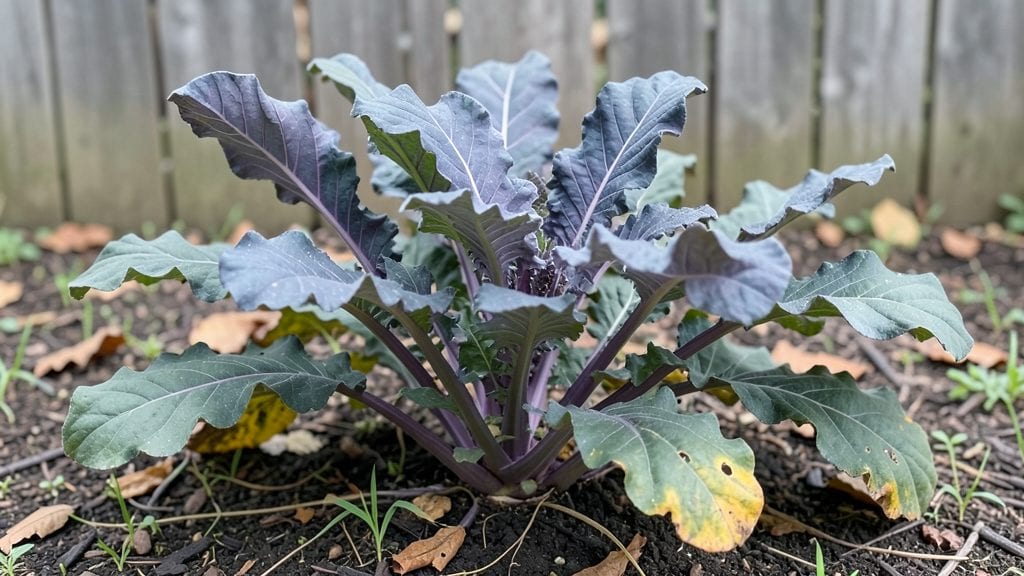
Looking for a cabbage-looking perennial that keeps coming back year after year? You’re not alone—many gardeners crave that familiar crinkled foliage without the annual replanting hassle.
If you love the bold, crinkled leaves of cabbage but wish for a plant that returns every spring without replanting, you’re in luck—these perennial alternatives deliver the same stunning foliage with year-round resilience.
Perennial kale 🥬, for example, thrives in USDA Zone 6a and beyond, offering harvests from June through October when planted in spring or December through February when sown in fall.
Below, I’ll walk you through the top 5 cold-hardy perennials that mimic cabbage’s look, how to grow them for long-term regrowth, and the secrets to keeping them lush season after season.
5 Cold-hardy perennial plants that resemble cabbage in appearance
If you’ve ever admired the ruffled, deep-green leaves of cabbage but wanted a plant that survives winter and returns year after year, you’re in the right place. These cabbage-looking perennials offer the same bold foliage without the annual replanting.
Many thrive in USDA Zones 3-9, making them perfect for cold climates while still delivering harvests or ornamental value.
Unlike annual cabbage, these perennials develop deep root systems that store energy for regrowth. They also tolerate light frosts and often produce new shoots in early spring. Whether you’re growing them for edible leaves or striking ornamental foliage, these plants are game-changers for low-maintenance gardens.
The key to their success lies in proper soil preparation, consistent moisture, and seasonal pruning. Most prefer well-draining, nutrient-rich soil with a pH between 6.0 and 7.0. Once established, they’re surprisingly drought-tolerant but still need regular watering during dry spells.
Below, I’ve curated five cold-hardy perennials that mimic cabbage’s appearance, along with their unique care requirements and growing tips. Each offers something special—whether it’s winter hardiness, edible leaves, or ornamental appeal.
For quick reference, here’s a summary table comparing their key traits:
Perennial Kale is the closest relative to cabbage and produces nutrient-dense leaves that you can harvest straight from the garden. It thrives in cool climates and often survives winters in USDA Zone 3 with minimal protection. Varieties like ‘Winterbor’ and ‘Red Russian’ are especially cold-hardy and continue producing edible greens well into late fall.
For a low-maintenance ornamental option, try Russian Sage. While its foliage isn’t edible, its silvery-blue leaves and lavender flowers create a striking contrast in the garden. This drought-tolerant perennial is perfect for xeric landscapes and attracts pollinators like bees and butterflies.
Ornamental Kale is a showstopper in winter gardens. Unlike its edible cousin, this variety is grown for its vibrant, frost-enhanced colors—think deep purples, pinks, and whites. It’s a bi-annual (technically a short-lived perennial) that often self-seeds, ensuring new plants appear year after year. Plant it in containers or garden beds for a pop of color during the colder months.
If you’re looking for a coastal-adapted perennial, Sea Kale is an excellent choice. Native to Mediterranean and Atlantic coastlines, it thrives in salty, windy conditions and produces tender shoots that are edible when young. Its ruffled, cabbage-like leaves make it a unique addition to seaside gardens or containers.
Lastly, Corsican Mint offers a fragrant, crinkled foliage that resembles cabbage but with a minty aroma. This perennial spreads via underground runners, making it ideal for ground cover in shady areas. It’s also deer-resistant, which is a bonus for gardeners dealing with wildlife.
Each of these perennials brings something unique to your garden—whether it’s edible harvests, ornamental value, or year-round resilience. To maximize their success, focus on well-draining soil, consistent moisture, and seasonal pruning to encourage regrowth.
Which one will you try first? Start with perennial kale for edible greens or ornamental kale for winter color—both are foolproof choices for beginners! 🌱
How to grow and maintain cabbage-looking perennials for long-term regrowth
Cabbage-looking perennials like perennial kale and Swiss chard are game-changers for gardeners who want that bold, crinkled foliage without annual replanting. These plants thrive with proper care, returning stronger each year.
The key lies in planting timing, soil prep, and seasonal maintenance—all of which I’ll break down below.
Unlike annual cabbage, these perennials develop deep root systems that store energy for regrowth. However, they still need consistent moisture, nutrient-rich soil, and protective overwintering in colder climates. Let’s dive into the step-by-step process to keep your cabbage-like perennials flourishing for years.
⚠️ Common Mistake: Overwatering in Winter
Many gardeners unintentionally drown cabbage-looking perennials during winter by keeping them too wet. Frozen soil prevents roots from absorbing excess moisture, leading to root rot and plant death. Reduce watering to bi-weekly once temperatures drop below 40°F (4°C), and always water at the base of the plant to avoid wetting foliage.
Start by selecting a sunny spot with at least 6 hours of sunlight daily. Cabbage-like perennials prefer well-draining soil with a pH between 6.0 and 7.0. Amend your soil with compost or aged manure before planting to ensure nutrients are readily available.
For container growing, use a lightweight potting mix with added perlite to prevent compaction.
When planting, space seedlings 12-18 inches apart to allow airflow and reduce disease risk. Water deeply after planting to settle the soil and encourage root establishment. Mulch around the base with straw or shredded leaves to retain moisture and suppress weeds.
This step is critical for long-term regrowth, as mulch protects roots from temperature fluctuations.
Pruning is essential for encouraging bushier growth and preventing bolting. Throughout the growing season, remove yellow or damaged leaves to redirect energy to new foliage. In late summer, cut back 1/3 of the plant to stimulate a second flush of growth.
Always use clean, sharp pruners to avoid spreading disease, and prune in the morning when foliage is dry.
Overwintering is where many gardeners struggle, but with the right approach, your cabbage-like perennials will bounce back. In USDA Zones 3-5, mound extra mulch (6-8 inches) around the base of the plant in late fall.
For container-grown plants, move them to a protected location like a garage or cold frame. In spring, remove old mulch and add fresh compost to replenish nutrients before new growth emerges.
Watch for pests like cabbage worms and diseases such as clubroot, which can devastate your perennials. Use row covers early in the season to deter pests, and rotate crops if you’re growing edible varieties.
If you notice yellowing leaves, it may signal nutrient deficiency—apply a balanced fertilizer (5-10-10) in early spring to revive growth.