
Plants
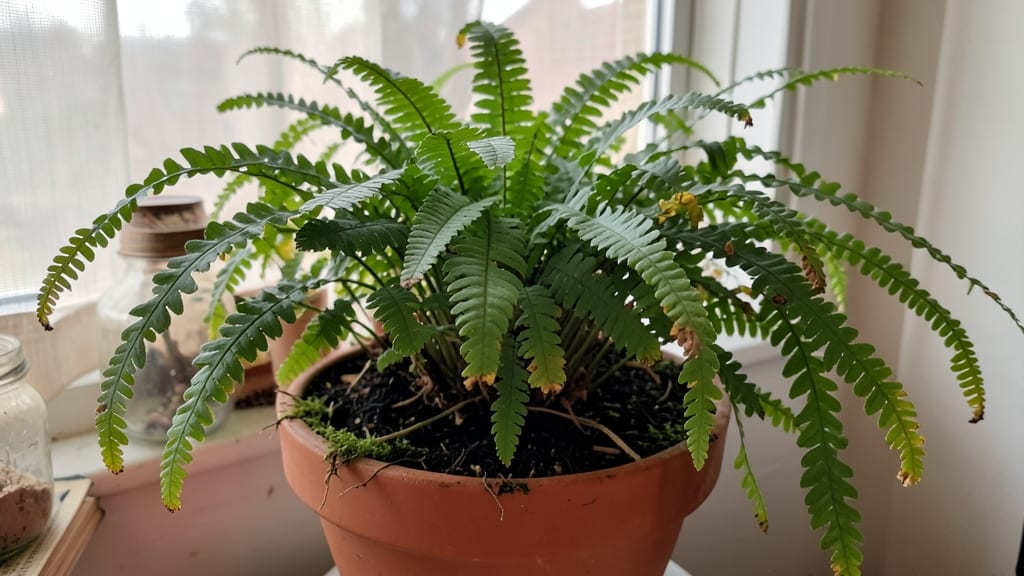
Boston ferns aren't just annuals—they're hardy perennials that return year after year, thanks to their underground rhizomes. 🌱 These root systems act like living storage, preserving energy even when above-ground fronds freeze back in winter.
In milder climates (USDA zones 8-11), they often survive outdoors with minimal intervention, while colder regions may need temporary protection like mulch or indoor overwintering.
What sets them apart from true annuals is their ability to rebound from dormancy, sometimes even producing new fronds within weeks of spring's arrival. The key is maintaining healthy rhizomes—think of them as the plant's survival bank account.
With consistent moisture and the right light conditions, your Boston fern can easily live for 5-10 years or more, making it a rewarding long-term houseplant investment.
💡 In This Article
- Boston Fern Lifespan: Perennial Growth Patterns Explained
- Extending Boston Fern Lifespan: Cold Resistance Tips
Boston fern lifespan: perennial growth patterns explained
Boston ferns (Nephrolepis exaltata 'Boston') earn their perennial status through a clever survival strategy: their underground rhizomes. These thick, horizontal stems store carbohydrates and nutrients year-round, allowing the plant to regenerate even after above-ground fronds die back in cold weather.
Unlike annuals that complete their lifecycle in one season, Boston ferns enter a state of dormancy when temperatures drop below 30°F, preserving their energy reserves until spring warmth triggers regrowth.
The magic happens at the cellular level. When temperatures fall, the plant's meristematic cells (growth centers) in the rhizome remain protected by a thick, waxy cuticle that prevents moisture loss.
These cells contain specialized proteins that act like antifreeze, lowering the freezing point of water within the cells by up to 5°F. This adaptation explains why Boston ferns can survive brief freezes in USDA zones 8-9, though prolonged exposure below 20°F often causes dieback.
The rhizome's vascular system also contains higher concentrations of sugars, which act as natural cryoprotectants.
Seasonal dormancy isn't just about surviving winter—it's an energy conservation tactic. During dormancy, the fern redirects all its resources to the rhizome, where it builds up starch reserves. When spring arrives and soil temperatures reach 50°F, these stored nutrients fuel rapid regrowth.
You'll often see new fronds emerging within 2-4 weeks of consistent warmth, proving the plant's perennial nature. This cycle explains why Boston ferns can thrive for decades with proper care, unlike annuals that must start fresh each season.
Hardiness varies significantly by cultivar and climate zone. The classic Nephrolepis exaltata 'Boston' handles USDA zones 8-11, while tropical varieties may struggle below 40°F. In colder zones (6-7), gardeners must use protective measures like mulching or container growing.
The key difference between perennials and annuals lies in this rhizome persistence—while annuals complete their lifecycle and die, Boston ferns simply "rest" underground until conditions improve. 🌱
What's fascinating is how this growth pattern mirrors other hardy perennials like hostas or peonies. All three plants share the same survival strategy: storing energy underground while producing seasonal displays above ground.
The Boston fern's fronds may look dead in winter, but the rhizome remains alive and ready to spring back to life—making it a true perennial in every sense of the word.