
Flowers
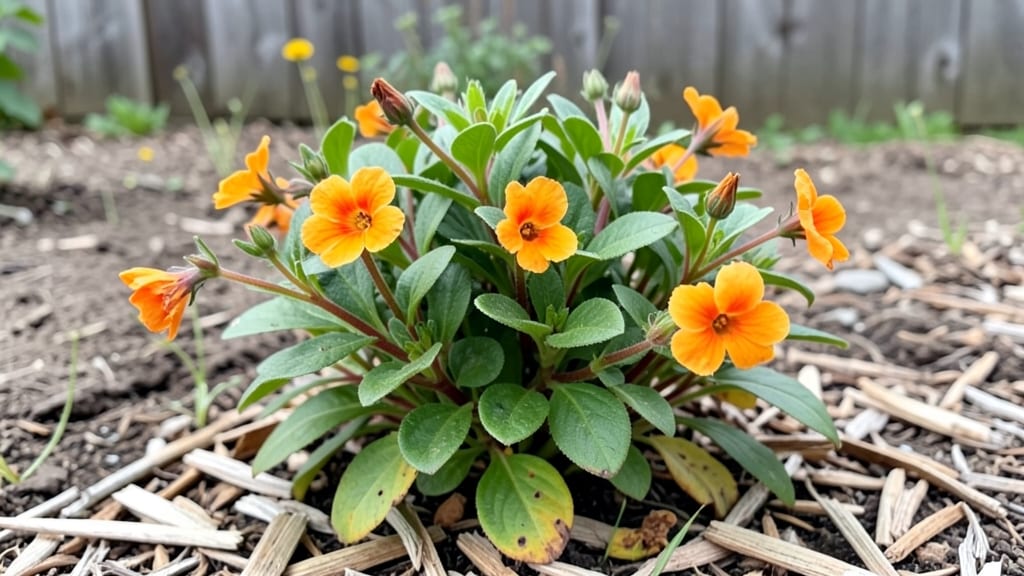
This classification comes down to its delicate structure and shallow root system, which simply can't withstand frost. 🌱 Unlike hardy perennials that store energy underground, Beacon impatiens puts all its resources into above-ground blooms—making it vulnerable once temperatures drop.
That said, gardeners in zones 10-11 can sometimes coax it through winter with careful overwintering techniques, though even then it's more reliable as an annual. The trade-off? Its prolific reseeding habit often means you'll get surprise seedlings popping up next season without any extra effort.
What this means for your garden is simpler than you might think: plan for spring planting each year, but don't despair if you spot seedlings in fall—they'll just need a little protection to make it through winter.
The key is understanding your local microclimate, as even a few extra degrees can make the difference between losing your plants and enjoying their cheerful blooms year after year.
💡 In This Article
- Beacon Impatiens Cold Tolerance Limits Explained
- Extending Beacon Impatiens Blooms Through Seasonal Care
Beacon impatiens cold tolerance limits explained
The Beacon impatiens meets its match when temperatures dip below 32°F. Unlike hardy perennials that develop deep, insulating root systems, Beacon's roots remain shallow and fibrous—specialized for rapid growth and summer blooms rather than winter survival.
This tender structure freezes solid at 28°F or lower, causing cellular damage that's irreversible. The plant's entire lifecycle is geared toward warm-season performance, with no built-in dormancy mechanisms like woody stems or underground storage organs.
Here's what happens at the cellular level: frost causes water within plant tissues to expand as it crystallizes, rupturing cell walls. Beacon's thin stems and leaves lack the protective bark or thick cuticles found in perennials like coneflowers or black-eyed Susans.
Even a light frost (30°F) can blacken foliage within hours, halting photosynthesis completely. The plant's energy reserves are too limited to regenerate after such damage, which is why gardeners in zones 8 and colder treat it strictly as an annual.
When comparing to other impatiens varieties, Beacon stands out for its extreme sensitivity. New Guinea impatiens, for example, can tolerate brief exposures to 40°F temperatures due to their thicker stems and slightly deeper root systems.
However, Beacon's vibrant red-orange blooms and compact 12-inch stature make it a favorite—just one that requires strategic planting. The trade-off is worth it for gardeners who love its prolific flowering from spring through fall.
USDA hardiness zones 10-11 represent the only regions where Beacon might persist through winter naturally. In zone 10, where winter lows rarely drop below 30°F, established plants occasionally survive with mulch protection. However, even here, the plant's vigor declines significantly after frost exposure.
The real secret to extending its lifespan lies in its self-seeding habit—dropping thousands of seeds that germinate eagerly when spring warmth returns.
What most gardeners don't realize is how temperature affects Beacon's entire growth cycle. Seedlings emerge best at 65-75°F soil temperatures, and flowering peaks when daytime highs reach 75-85°F. Below 60°F, growth slows dramatically, while above 90°F, blooms may scorch.
This narrow optimal range explains why Beacon thrives in summer but struggles to establish perennial roots—its entire biology is tuned to brief, intense growing seasons rather than prolonged dormancy.
For those in colder climates, the solution lies in treating Beacon as the annual powerhouse it was bred to be. Start seeds indoors 8-10 weeks before last frost, or sow directly when soil reaches 60°F.
The payoff comes in 6-8 weeks of continuous blooms—far longer than most annuals—making the yearly replanting a small price for such vibrant color.
The plant's inability to overwinter becomes its greatest strength when you consider its disease resistance and deer resistance, traits that make it a gardener's workhorse despite its tender nature.