
Plants
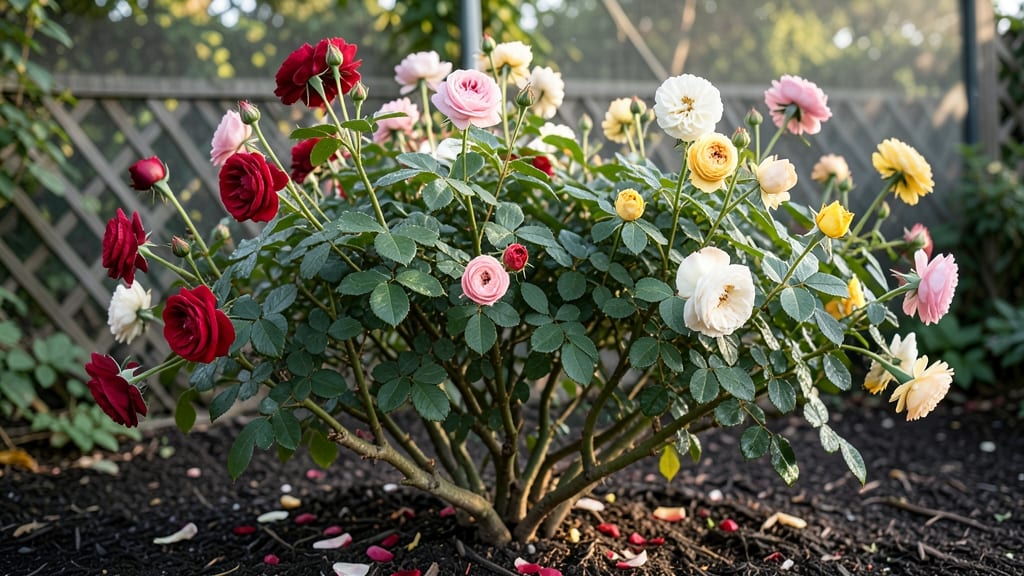
Roses are perennials in most climates, returning each year with proper care, though their hardiness varies by species—some thrive in cold winters while others require seasonal protection or die back to the ground annually.
Whether roses count as perennials depends on your climate and the variety you choose. 🌹 Most garden roses are indeed perennials, meaning they regrow from their roots each spring after winter dormancy. However, some tropical varieties treat roses like annuals in colder zones—they won't survive freezing temperatures without protection.
The key difference lies in their root systems, which store energy underground to fuel regrowth when conditions improve.
For example, David Austin English roses or Knock Out roses are famously hardy, often surviving down to -20°F with proper winter care. Meanwhile, hybrid teas or grandifloras may need extra insulation like mulch or burlap wraps to protect their canes.
Understanding your USDA hardiness zone helps determine which roses will reliably return year after year.
💡 In This Article
- How Rose Hardiness Zones Determine Perennial Lifespan
- Year-Round Rose Care for Long-Term Perennial Growth
How rose hardiness zones determine perennial lifespan
Roses achieve their perennial status through a fascinating biological process called dormancy, where their growth slows dramatically in cold weather. During winter, the plant's roots remain alive in the soil, storing carbohydrates like starches and sugars that fuel regrowth in spring.
The key difference between perennial and non-perennial roses lies in their cold tolerance thresholds, measured in USDA hardiness zones—ranging from Zone 3 (-40°F) to Zone 11 (40°F). For instance, Rosa rugosa thrives in Zone 3, while tropical roses only survive in Zone 10 or warmer.
The plant's canes (stems) are the most vulnerable part, often dying back to the ground in freezing temperatures. However, the roots and bud union (where the rose graft meets its rootstock) typically survive if protected.
This is why you'll see bare canes in winter—the plant is conserving energy underground until temperatures rise. 🌱 The science here involves antifreeze proteins that roses produce, which prevent ice crystals from forming in their cells during dormancy, a mechanism similar to how some fish survive Arctic winters.
Your local climate plays a critical role in determining whether your roses will return annually. In Zone 5-7, most hybrid teas and floribundas can survive winters with 3-4 inches of mulch and minimal protection.
But in Zone 8 and below, even hardy roses may need additional insulation like burlap wraps or frost blankets to prevent cane damage.
The root collar (where stems meet roots) must stay at least 6 inches below soil level to protect it from freeze-thaw cycles that can heave plants out of the ground.
What most gardeners don't realize is that late-winter dieback isn't necessarily fatal. Even if canes appear dead in February or March, new growth often emerges from the root crown by mid-April.
This delayed regrowth is why patience is key—never prune dead canes until you're certain no green buds remain. The plant's survival strategy depends on this delayed bud break, which allows it to wait for consistently warm soil temperatures before resuming growth.
Consider these hardiness examples for popular varieties:
- Knock Out roses: Zones 4-9 (-30°F tolerance with mulch)
- David Austin English roses: Zones 5-9 (-20°F tolerance)
- Hybrid teas: Zones 6-10 (-10°F tolerance, needs winter protection)
- Climbing roses: Varies by type (some as hardy as Zone 4, others only Zone 8)
Understanding these mechanisms helps you choose roses that will reliably return each year. For example, in Zone 4, selecting Explosion® roses (a Knock Out variety) gives you a 95%+ chance of perennial growth, while planting tropical roses would require treating them as annuals or overwintering them indoors.
The right variety for your zone means the difference between a decade-old rose bush and one that lasts just one season.