
Vegetables
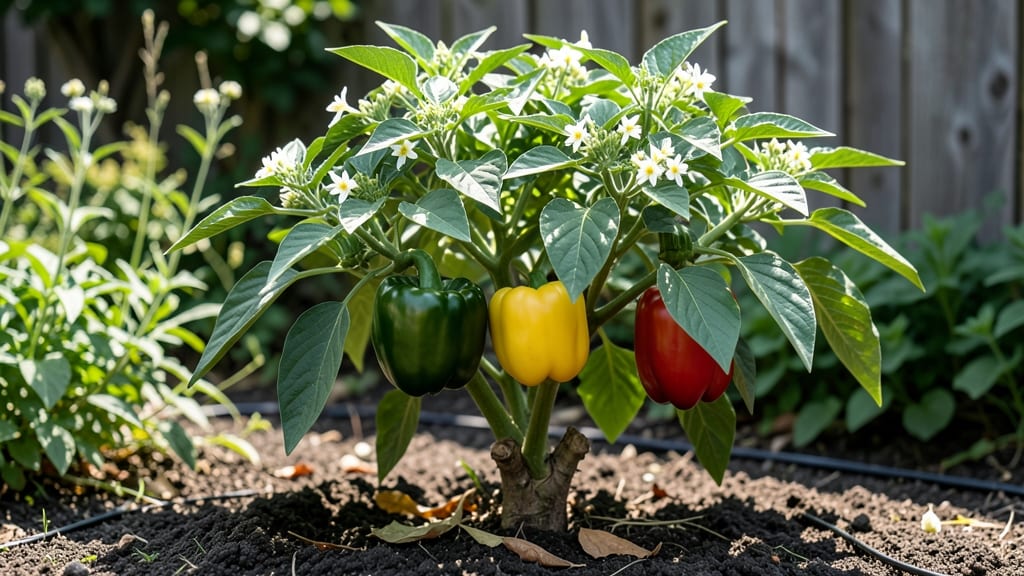
Peppers are perennial plants that regrow from their root systems each season, though gardeners typically treat them as annuals due to frost sensitivity. Their underground rhizomes store energy and regenerate shoots when conditions improve, making them technically long-lived in suitable climates.
Unlike true annuals that complete their life cycle in one season, peppers develop rhizomes—thickened root structures that act like natural storage units.
These roots survive winter dormancy in warmer climates (zones 9-11), storing energy to produce new shoots when temperatures rise. 🌱 The key difference from annuals is their ability to persist underground, though most gardeners replant seeds yearly because cold snaps kill above-ground growth.
Varieties like jalapeños and bell peppers often demonstrate this perennial behavior when protected.
This biological adaptation explains why peppers can return stronger each year in frost-free regions. The rhizomes contain dormant buds that break dormancy with consistent warmth and moisture, creating a self-sustaining cycle.
For gardeners in cooler zones, overwintering techniques like mulching or container growing can extend this perennial behavior—though it requires careful frost protection to preserve the root system.
💡 In This Article
- How Pepper Rhizomes Enable Year-Round Regrowth
- Climate Zones and Care Tips for Overwintering Peppers
How pepper rhizomes enable year-round regrowth
Peppers develop specialized underground structures called rhizomes, which function like biological batteries. These thickened root systems store carbohydrates, proteins, and nutrients produced during the growing season—similar to how potatoes store energy in their tubers.
The rhizomes contain dormant buds that remain viable even when above-ground growth dies back, allowing peppers to "remember" their genetic instructions for regrowth when conditions improve.
The survival mechanism involves two key phases: dormancy and regeneration. During winter, the rhizomes enter a low-metabolic state where cellular activity slows dramatically (similar to hibernation in animals). Studies show these roots can maintain viability for months at temperatures between 35-50°F, though prolonged exposure below 28°F risks damage.
When spring warmth triggers bud activation, the rhizomes redirect stored energy to produce new shoots within 2-4 weeks, often stronger than the previous year's growth.
This process differs from true perennials like asparagus or strawberries because peppers lack dedicated crown structures. Instead, their rhizomes spread horizontally, creating a network of interconnected roots that can regenerate multiple stems.
For comparison, asparagus crowns contain specialized buds that emerge vertically each spring, while pepper rhizomes produce shoots from multiple points along their length—explaining why you might see 3-5 new stems emerging from a single plant's root system.
The energy storage capacity varies by variety. Hot peppers like habaneros typically develop more extensive rhizomes than bell peppers, storing enough reserves to produce 20-30% more yield in subsequent seasons when protected from frost.
The trade-off is that this perennial behavior requires more soil nutrients, as the rhizomes compete with new growth for resources during regrowth phases.
What's fascinating is how these rhizomes prioritize energy allocation. Early in the season, they focus on root expansion to establish stability, while later they shift resources to shoot development.
This two-phase strategy explains why peppers often produce smaller harvests in their first regrowth year compared to subsequent seasons when the rhizome system is fully established.
Understanding this mechanism helps explain why gardeners in zone 9+ frequently see peppers return year after year without replanting. The rhizomes act as nature's version of crop insurance, ensuring the plant's genetic line persists even when environmental conditions become hostile above ground.