
Plants
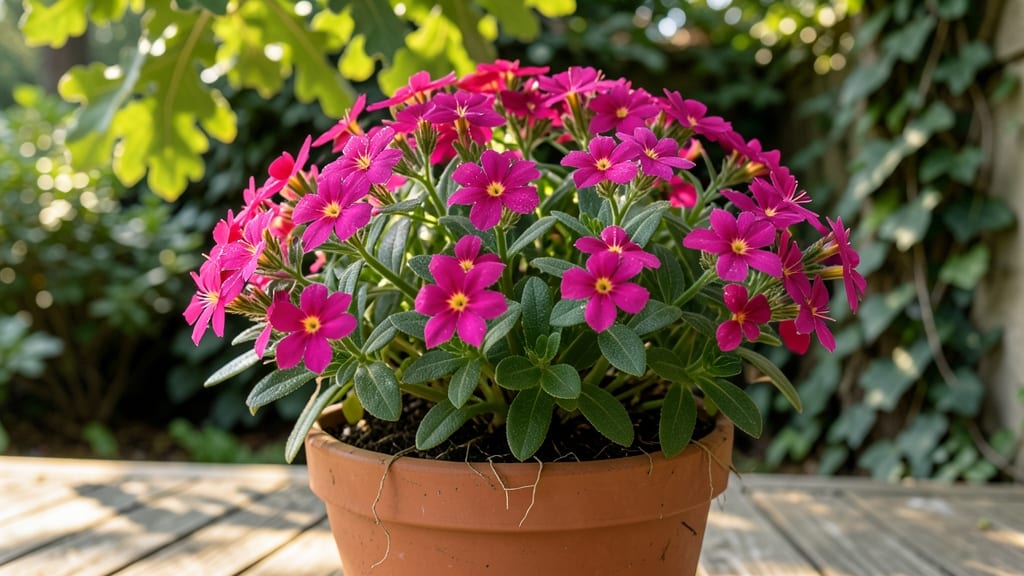
Pentas are not true perennials in most climates—they thrive as annuals in cooler zones (below USDA Zone 10) but return yearly in warm, frost-free regions like Florida or Southern California, where they bloom reliably with proper care.
Pentas are tropical plants that struggle in freezing temperatures, which is why they don't survive winter in most parts of the U.S. 🌡️ Their delicate stems and leaves can't handle frost, so they often die back completely when temperatures drop below 30°F.
However, in warmer climates where winter temperatures rarely fall below 40°F, pentas can regrow from their roots each year, making them act like perennials. This explains why gardeners in Zone 10 and above often see them returning year after year with minimal effort.
If you live outside their natural range, you can still keep them alive through winter by digging up the tubers or bringing potted plants indoors. This extra care lets you enjoy their vibrant blooms for multiple seasons, even if they're technically annuals in your area.
The key is understanding their cold sensitivity—once you work with that, you can extend their lifespan beyond one growing season.
💡 In This Article
- Pentas Cold-Hardiness: Why They Die in Winter
- How to Overwinter Pentas in Cold Climates
Pentas cold-hardiness: why they die in winter
Pentas plants originate from tropical regions of Africa and thrive in warm climates where temperatures rarely dip below 50°F. Their biological structure—soft stems, thin leaves, and shallow root systems—isn't built to withstand freezing conditions.
When temperatures fall below 30°F, the plant's cellular structure freezes, causing irreversible damage to the leaves and stems. This is why pentas are classified as tender perennials or annuals in most climates.
The USDA Plant Hardiness Zone Map plays a crucial role in determining pentas' survival. In Zones 8-11, where winter temperatures stay above 10°F, pentas can survive the winter months by going dormant and regrowing from their roots in spring.
However, in Zones 7 and below, frost is almost inevitable, and pentas typically won't survive the winter outdoors. This is why they're often treated as annuals in these areas, planted in spring and discarded in fall.
One key factor in pentas' cold sensitivity is their water content. Tropical plants like pentas have higher moisture content in their tissues, which freezes and expands, rupturing cell walls. This is similar to how a frozen water balloon bursts when thawed.
Additionally, pentas lack the protective bark or woody stems found in true perennials, which helps insulate against cold. Their delicate structure is adapted for rapid growth in warm conditions, not survival in freezing temperatures.
In warmer climates like Florida or Southern California, pentas can return year after year because they can endure mild winters. The roots often survive the cooler months and sprout new growth when temperatures rise again.
This behavior mimics true perennials, but it's actually a survival adaptation rather than a biological classification. The confusion arises because pentas can persist multiple years in ideal conditions, even though they're not true perennials in most parts of the world.
For gardeners in colder climates, understanding this cold sensitivity is crucial. Planting pentas in containers makes overwintering easier, as you can move them indoors before frost hits.
The key is to recognize that pentas are tropical plants at heart, and their ability to return year after year depends entirely on climate conditions.
This is why they're often grown as annuals in most of the United States—it's simply not practical to keep them alive through winter in freezing temperatures.
If you're growing pentas in a colder zone, you might notice they produce fewer blooms in their second year compared to their first. This is because the plant is putting energy into establishing roots rather than flowering.
The vibrant blooms you love are actually a response to warm temperatures and long daylight hours, which pentas use to trigger their flowering cycle. In cooler climates, this cycle gets disrupted, leading to less reliable blooming.