
Plants
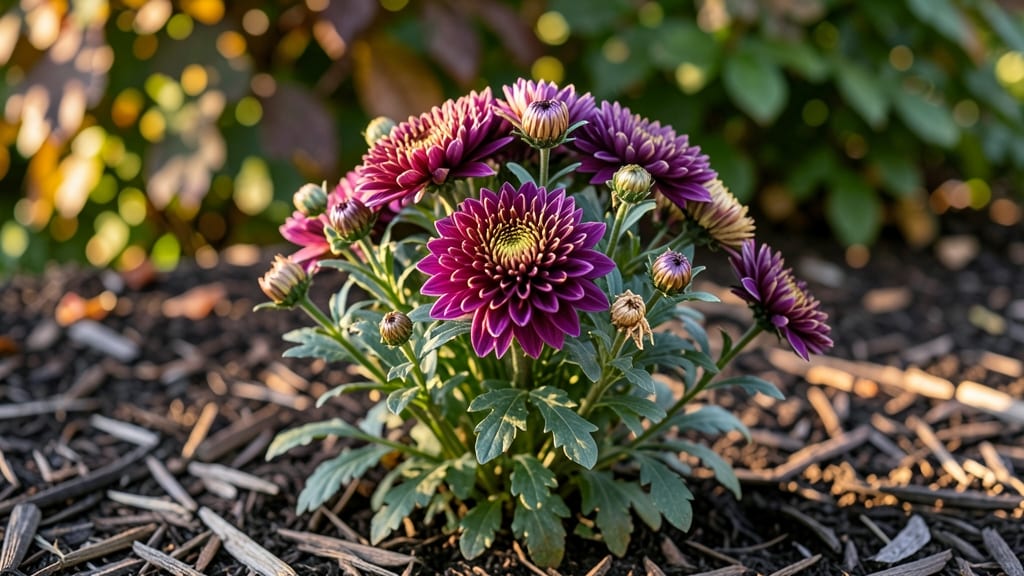
Pelee mums are not true perennials in most climates but function as tender perennials in USDA zones 7-10, where they survive winters with consistent care. In colder regions, they die back each year but can regrow from their root systems if properly protected or replanted annually.
Pelee mums—those vibrant, compact chrysanthemums—act more like seasonal plants outside their ideal zones because their tuberous roots struggle with prolonged freezing. 🌱 In zones 7-10, they establish deep root systems that naturally insulate against cold, allowing them to bloom year after year.
But in colder areas (zones 1-6), their roots often freeze back to the ground, requiring gardeners to either dig up and store tubers or replant new ones each spring. The key difference?
True perennials like woody-stemmed chrysanthemums survive winter dormancy above ground, while Pelee mums rely on their underground storage organs.
For gardeners in marginal zones, the solution lies in protective strategies like burying pots in mulch or using frost blankets. I’ve found that selecting varieties labeled "cold-hardy" (like 'PeeGee' or 'Bonanza') gives them a slight edge, though they still need shelter during hard freezes.
The trade-off? With proper care, even in less ideal climates, you can enjoy their cheerful blooms for multiple seasons—just not as self-sustaining perennials.
💡 In This Article
- Pelee Mums’ Cold Tolerance and Zone Requirements
- Year-Round Care for Pelee Mums in Cold Climates
Pelee mums’ cold tolerance and zone requirements
Pelee mums behave like annuals in cold climates because their tuberous root systems lack the protective bark layers found in true perennials. These tubers store energy for regrowth but freeze solid when exposed to temperatures below 20°F for extended periods.
Unlike woody-stemmed chrysanthemums (which survive winter dormancy above ground), Pelee mums rely entirely on their underground storage organs—making them far more vulnerable to frost damage. 🌡️
The USDA zone boundary matters because it reflects the average annual minimum temperature. In zones 7-10 (where winters rarely drop below 0°F), Pelee mums establish deep, insulated root systems that naturally protect against cold.
However, in zones 1-6, even a single hard freeze (-10°F or lower) can kill their tubers, forcing gardeners to replant each spring. This is why they're classified as "tender perennials"—they survive in mild climates but need human intervention in colder areas.
What sets Pelee mums apart from traditional chrysanthemums is their compact growth habit and shorter stems, which make them less resilient to windburn and desiccation during winter.
Their leaves also lack the waxy coating found on hardier varieties, making them more prone to moisture loss when exposed to cold winds. The science behind this involves cellular dehydration—when tubers freeze, ice crystals form within the cells, rupturing their membranes and preventing regrowth.
For gardeners pushing the limits, the critical temperature threshold is 15°F—below this, even well-established tubers may fail to regrow. This explains why Pelee mums thrive in coastal zones (like Southern California) where ocean breezes moderate temperatures, but struggle in inland areas with sharper freeze-thaw cycles.
The root zone temperature is particularly critical—soil insulation from mulch or snow cover can raise ground temps by 5-10°F compared to air temperatures.
Consider this comparison: A woody-stemmed chrysanthemum (like 'Hardy Mums') can survive -20°F winters because its above-ground stems contain protective compounds that prevent cellular damage. Pelee mums, however, lack these adaptations—making their tuber protection the sole factor determining their perennial status.
This is why gardeners in zone 6 often treat them as short-lived perennials rather than true long-term plants.
Here's what's actually happening at the cellular level: Pelee mum tubers contain starch reserves that convert to sugars during dormancy, acting as natural antifreeze. However, this process only works within a narrow temperature range (32-50°F).
When temperatures drop below 15°F, these protective sugars crystallize, disrupting the tuber's ability to regenerate new shoots in spring. 🧊
The good news? With proper soil preparation (adding compost to improve drainage) and mulch depth of 4-6 inches, you can push their cold tolerance by 2-4 zones. This is why many gardeners in zone 6 successfully overwinter Pelee mums in containers—by moving them to protected locations before winter.