
Plants
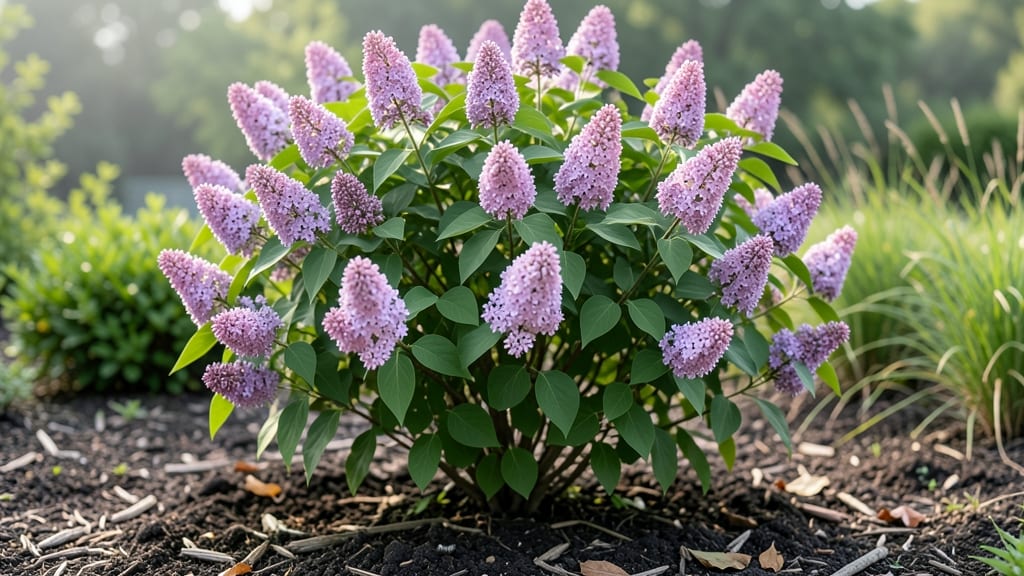
Yes, lilacs are perennials that die back to the ground each winter but regrow from their roots annually, thriving for decades with proper care and seasonal pruning. Their hardy wood ensures survival through cold months, making them long-lived garden staples.
Lilacs prove their perennial nature through a clever survival strategy: they shed their leaves and stems each fall, but their roots and dormant buds remain active underground. 🌱 This winter dormancy isn't death—it's a power-down mode that lets them bounce back stronger in spring.
Unlike annuals that complete their life cycle in one season, lilacs store energy in their woody stems and root systems, allowing them to return year after year with minimal effort once established.
What makes this particularly impressive is their adaptability—many lilac varieties can handle temperatures down to -20°F without issue. The key to their longevity lies in proper pruning (never cutting into old wood) and maintaining healthy soil, which keeps their root systems robust enough to support decades of blooms.
That's why well-cared-for lilacs often outlive their gardeners!
💡 In This Article
- The Science Behind Lilacs' Perennial Growth Cycle
- Caring for Lilacs to Maximize Their Perennial Longevity
The science behind lilacs' perennial growth cycle
Lilacs (Syringa spp.) rely on a specialized survival mechanism called bud dormancy, where their growth slows dramatically in winter while remaining alive. Unlike annuals that complete their life cycle in one season, lilacs store carbohydrates in their woody stems and extensive root systems during summer and fall.
These reserves fuel regrowth when temperatures rise in spring. The buds themselves contain meristematic cells—undifferentiated plant cells that can differentiate into stems, leaves, or flowers—protected by thick, waxy coatings that prevent freezing damage.
The hardiness of lilacs varies by species, with common lilac (Syringa vulgaris) typically surviving -20°F to -30°F temperatures.
This cold tolerance comes from their ability to supercool cell fluids, lowering the freezing point below 32°F through natural antifreeze proteins. 🌿 For comparison, many annual flowers like marigolds or zinnias die when temperatures dip below 30°F.
Lilacs also differ from biennials (like carrots) because they don't follow a strict two-year life cycle—they continuously regenerate from their persistent root crowns each year.
What's fascinating is how lilacs prioritize energy storage. During their first growing season, they focus on developing a strong root system, often producing few flowers. Only in subsequent years do they allocate energy to blooms, demonstrating their long-term investment strategy.
This delayed flowering is a hallmark of perennials, distinguishing them from annuals that flower aggressively in their first season. The root system of a mature lilac can extend up to 3-5 feet deep, anchoring the plant and accessing moisture during dry spells.
Seasonal color changes provide visual clues about this cycle. In late summer, lilacs begin converting chlorophyll to carotenoids, turning leaves yellow or bronze before they fall. This isn't just aesthetic—it's a biological signal that photosynthesis is winding down and energy is being redirected to roots.
The woody stems, which might appear dead in winter, actually contain living vascular tissue that remains active beneath the bark, ready to transport nutrients upward when conditions improve.
One often-overlooked factor is how lilacs handle temperature fluctuations. Their buds can survive brief exposures to -10°F even when the rest of the plant appears dormant. This resilience explains why lilacs often outlive other garden plants—some specimens in historic gardens have thrived for over 100 years.
The key lies in their ability to balance growth and dormancy through hormonal regulation, particularly abscisic acid, which triggers the winter shutdown.
Comparing lilacs to other perennials like peonies reveals their unique strategy. While peonies also die back annually, lilacs have a more aggressive regrowth pattern in spring, often shooting up 1-2 feet within weeks of thaw.
This rapid emergence is powered by their stored starch reserves, which can account for up to 30% of their root system's dry weight by fall. The combination of deep roots, cold-hardy buds, and efficient energy storage makes lilacs nature's ultimate perennial survivors.