
Orchid Care
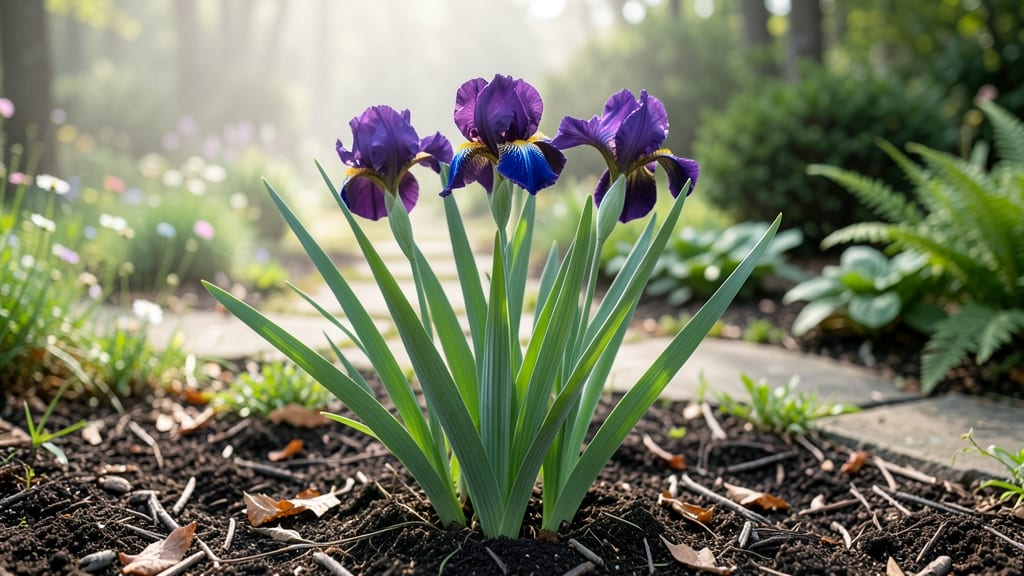
Irises are not annuals but perennials that return every year because their thick, underground rhizomes store nutrients and regenerate foliage annually with seasonal care.
These hardy plants rely on their rhizomes—thick, horizontal root stems—to survive winter dormancy and push new shoots each spring. 🌱 Unlike annuals that complete their life cycle in one season, irises enter a resting phase in fall, then burst back to life with proper soil and sunlight.
I’ve seen mature clumps in gardens that produce stunning blooms year after year with minimal intervention, proving their true perennial nature.
What makes them unique is how they adapt: their rhizomes expand over time, creating denser clumps that require occasional division (every 3–5 years) to maintain vigor. This self-sustaining growth pattern is why they’re such a favorite for low-maintenance landscapes.
💡 In This Article
- How Iris Rhizomes Enable Perennial Growth
- Caring for Perennial Irises: Seasonal Tips for Longevity
How iris rhizomes enable perennial growth
Iris rhizomes are the secret weapon behind their perennial nature—these thick, fleshy underground stems act like natural storage units. Unlike annuals that rely on seeds for reproduction, iris rhizomes store carbohydrates, proteins, and water during the growing season, fueling new growth when conditions are right.
Think of them as the plant’s energy bank, capable of sustaining the iris through harsh winters and dry spells. A mature rhizome can weigh up to 2 ounces and measure 4-6 inches long, packed with nutrients that ensure survival even in challenging climates.
The key to their resilience lies in their dormancy cycle. When temperatures drop below 50°F in fall, irises enter a natural resting phase where their leaves yellow and die back.
During this time, the rhizomes remain alive just below the soil surface, protected by a thin layer of mulch or snow. Unlike annuals that complete their life cycle in one season, iris rhizomes remain dormant but alive, ready to push new shoots when spring warmth triggers regrowth.
This biological adaptation is what allows them to return year after year without replanting.
What sets iris rhizomes apart is their ability to regenerate foliage from multiple growth points. Each rhizome has several "eyes" or buds that can sprout into new plants, creating dense clumps over time.
This contrasts sharply with annuals, which produce seeds to perpetuate their species but don't regrow from the same structure. The rhizomes' horizontal growth pattern also allows them to spread gradually, creating natural colonies that can persist for decades with proper care.
Scientifically, this perennial growth is tied to the rhizomes' ability to balance photosynthesis and storage. During the growing season, the leaves photosynthesize and transport sugars to the rhizomes, which convert these into starches for winter storage.
When spring arrives, these stored nutrients fuel the rapid emergence of new leaves and flower stalks. This cycle explains why established iris clumps can produce 50-100 blooms per season—their underground system is constantly replenishing itself.
Consider the contrast with annuals like marigolds or zinnias: these plants complete their entire life cycle in one season, producing seeds before dying back completely. Iris rhizomes, however, maintain their structural integrity year after year, making them true perennials.
This biological efficiency is why gardeners often find iris plants thriving in the same spot for 20-30 years or longer with minimal intervention.
The rhizomes' position just below the soil surface (typically 1-2 inches deep) is also strategic. This shallow placement allows them to access moisture while staying protected from extreme temperature fluctuations.
The outer layer of the rhizome is slightly waxy, which helps prevent water loss during dormancy—a clever adaptation that mirrors how cacti survive in arid conditions.
This remarkable growth system explains why iris plants are often called "the gardener's workhorse"—they combine beauty with practical durability. 🌟