
Plants
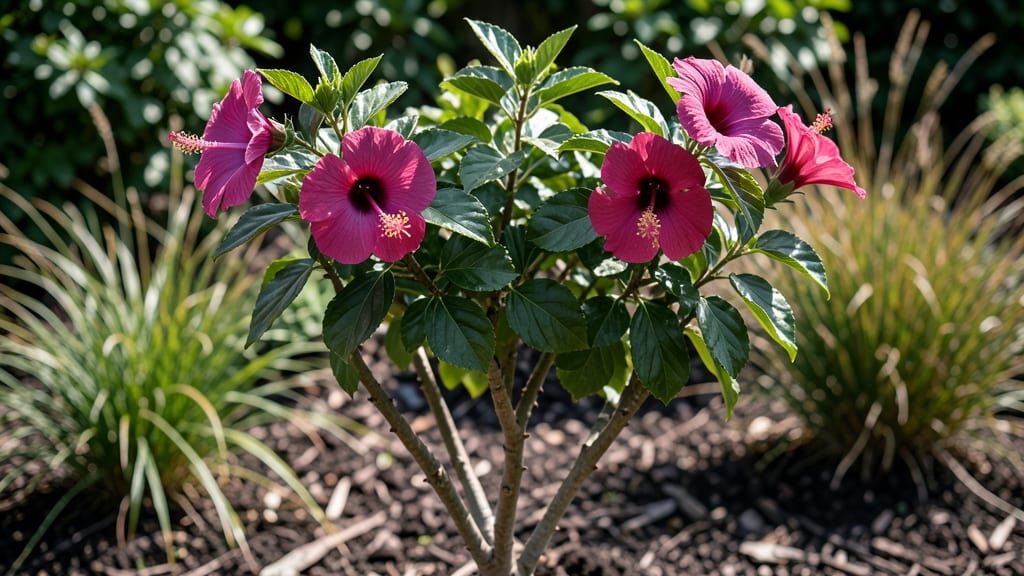
Hibiscus plants aren't true perennials in most regions—they lose their foliage and stems each winter but survive through their roots, then bounce back in spring when temperatures warm up.
This dieback behavior might seem like annual death, but hibiscus actually rely on their robust root systems to persist through cold snaps. 🌱 In zones with freezing temperatures (below USDA 7), they'll need extra protection to regrow each season.
The key difference between true perennials and hibiscus is that perennials maintain above-ground growth year-round, while hibiscus go dormant until warm weather returns.
For gardeners in colder climates, this means hibiscus act more like semi-perennials—they come back stronger each year if their roots stay protected. In warmer zones (USDA 7-11), they thrive as true shrubs with minimal winter care.
The secret to their longevity lies in understanding their natural growth cycles and providing the right conditions when they need them most.
💡 In This Article
- Why Hibiscus Die Back in Winter
- How to Overwinter Hibiscus for Repeat Growth
Why hibiscus die back in winter
Hibiscus plants enter a natural dormancy cycle when temperatures drop below 40°F—their above-ground growth shuts down to conserve energy, but their roots remain alive underground. This survival mechanism is triggered by shorter daylight hours and cooler soil temperatures, which signal the plant to redirect resources to its root system.
Unlike true perennials that maintain some above-ground growth year-round, hibiscus prioritize root storage of nutrients and moisture during winter months.
The root system of a healthy hibiscus can extend up to 3-5 feet deep and contains specialized storage cells that hold starches and sugars. These reserves fuel the plant's dramatic regrowth in spring when soil temperatures reach 60°F or higher.
In colder climates (USDA zones 6 and below), even these roots can suffer damage if temperatures drop below 20°F for extended periods, which is why hibiscus struggle to survive as true perennials in these areas.
What makes hibiscus unique is their ability to regenerate from just a few inches of remaining root. Even when the entire plant appears dead, the root crown (the thickened base where roots and stems meet) often contains dormant buds capable of producing new shoots.
This resilience explains why hibiscus can recover so vigorously in spring—sometimes within just 2-4 weeks after frost-free conditions return.
The plant's growth cycle follows a clear seasonal pattern: rapid spring growth, peak flowering in summer, and gradual decline as temperatures cool. In warmer climates (USDA zones 8-11), hibiscus maintain some evergreen characteristics, keeping partial foliage year-round.
But in colder regions, the complete dieback serves as a protective adaptation against frost damage to tender stems and leaves.
Interestingly, hibiscus leaves contain high concentrations of malic acid, which helps regulate their metabolic processes during dormancy. This acid acts like a natural antifreeze, preventing cellular damage from freezing temperatures.
However, the plant's ability to survive winter depends heavily on soil insulation—bare ground can cause temperature swings that damage roots, while mulched areas maintain more stable temperatures.
For gardeners observing this dieback, it's important to recognize that hibiscus aren't failing—they're following their biological program. The key difference between hibiscus and true perennials lies in their growth strategy: hibiscus invest all their energy into root development for rapid spring recovery, while perennials maintain balanced growth year-round.
This makes hibiscus particularly vulnerable to improper winter care in marginal climates.