
Flowers
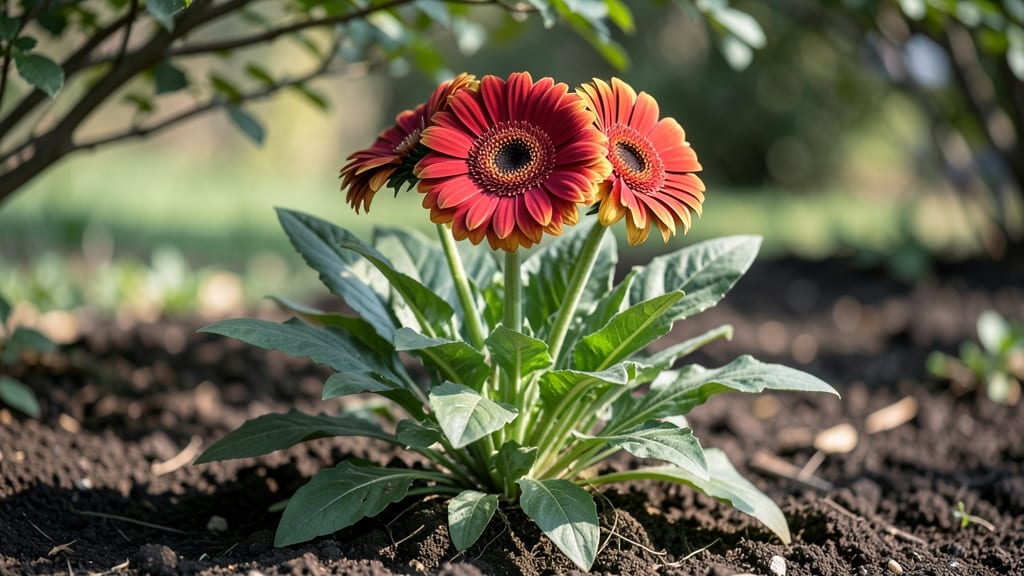
Gerbera daisies are not true perennials in most climates, though they grow from hardy underground corms that can survive winter dormancy in USDA zones 10-11. In colder regions, they’re typically treated as annuals or dug up and stored indoors to regrow yearly.
Gerbera daisies thrive because of their underground corms, not true perennial roots, which means they can regrow season after season—but only if protected from frost. 🌱 In zones 10-11, these corms naturally overwinter in the soil, while gardeners in colder areas must dig them up before freezing temperatures.
The key difference? True perennials regrow from roots, while gerberas rely on these specialized storage organs that store nutrients for regrowth.
This survival strategy explains why gerberas are often called tender perennials—they behave like perennials in warm climates but die back in cold ones.
The corms' ability to lie dormant through winter (or artificial dormancy indoors) is what keeps them coming back year after year, making them more resilient than many annuals but not quite as hardy as classic perennials like peonies or hostas.
💡 In This Article
- How Gerbera Daisy Corms Determine Their Lifespan
- Gerbera Daisy Overwintering: Step-by-Step Survival Guide
How gerbera daisy corms determine their lifespan
Gerbera daisies don't rely on traditional roots or rhizomes for survival—they use specialized corms, which are thick, bulb-like underground storage organs packed with starches and nutrients. Unlike true perennials that regrow from fibrous roots (like peonies) or tubers (like dahlias), gerbera corms act as a dormant survival mechanism.
These corms can shrink dramatically during winter, sometimes losing up to 70% of their moisture content, while maintaining just enough nutrients to fuel regrowth when conditions improve. 🌱
The corm's ability to trigger blooming depends on two key factors: temperature and daylight exposure. Gerbera daisies need a period of cool dormancy (50-60°F) followed by warmer temperatures (70°F+) to break dormancy. This is why they naturally thrive in zones 10-11—these climates provide consistent warmth without frost damage.
In colder zones, gardeners must artificially replicate this cycle by storing corms in a cool, dry environment before replanting. The light requirement is equally critical: gerberas need at least 6-8 hours of direct sunlight daily to initiate flowering.
Here's where gerberas differ from true perennials: while plants like hostas or lavender regrow from established root systems that persist year-round, gerbera corms must be replanted annually in colder climates. This makes them what botanists call "tender perennials"—they behave like perennials in ideal conditions but die back completely in frost.
The corm's structure allows it to survive up to 6 months of dormancy if stored properly, which is why many gardeners treat them as annuals by accident rather than understanding their true potential. ✨
Consider this comparison: a true perennial like a daylily might survive -20°F winters through its root system, while a gerbera corm will die if exposed to 32°F or below for extended periods.
This explains why gerberas are often grown as annuals—they simply can't endure the same temperature extremes as hardy perennials. However, their corms' ability to regrow makes them more persistent than true annuals, which must be replanted from seed each year.
The corm's lifecycle also explains why gerberas bloom so prolifically in their first season after replanting. When stored properly, the corm retains enough energy to produce 20-30 blooms per plant in a single season, a trait that makes them popular for cut flowers.
This energy reserve is what distinguishes them from annuals that must build their own resources from scratch each year. The trade-off? Their delicate nature means they require more care than hardy perennials but offer equally stunning results when conditions are right. 💫
What most gardeners don't realize is that gerbera corms can actually increase in size each year if given proper care, potentially lasting 3-5 years with consistent overwintering.
This is why some gardeners in marginal zones (like zone 9) can successfully grow gerberas as perennials—their corms gradually build resilience to slightly cooler temperatures. The secret lies in proper storage: maintaining 40-50% humidity and temperatures between 50-60°F during dormancy preserves the corm's vitality.