
Flowers
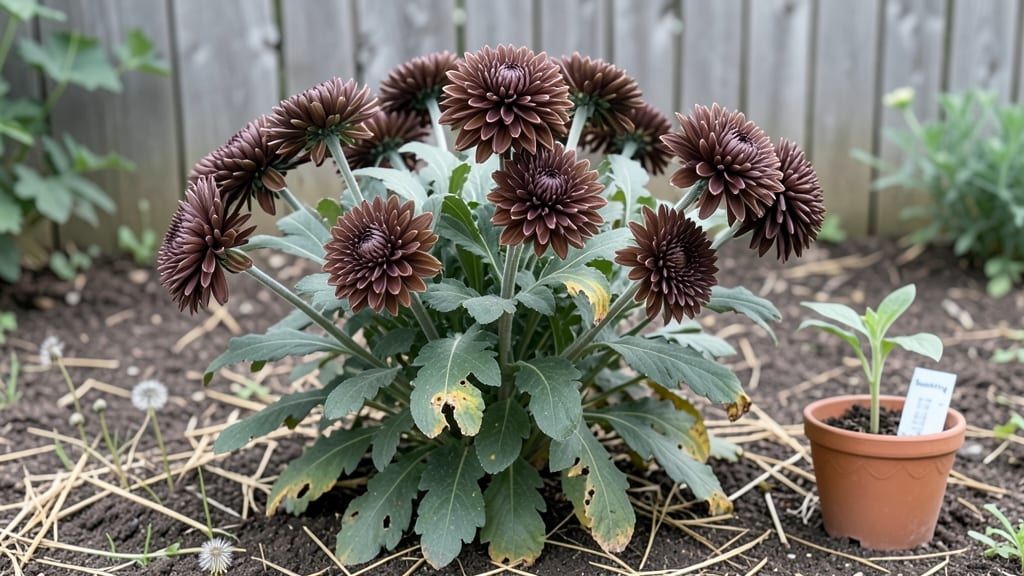
Fall mums are typically grown as annuals in most U.S. climates because their tender roots freeze in winter, though some hardy varieties thrive as perennials in zones 7-10 with proper winter care. Choosing cold-resistant types extends their lifespan beyond a single season.
Most gardeners treat fall mums as annuals because their delicate root systems can't survive freezing temperatures. 🌡️ The key difference lies in their hardiness—while standard varieties succumb to winter chill, specially bred cold-resistant mums (like 'Autumn Joy' or 'Snowball') develop deeper roots that tolerate frost.
In milder climates like zones 7-10, these varieties can return year after year with proper winter protection, such as thick mulch or container insulation. The secret to perennial success is choosing varieties labeled "hardy" and giving them consistent care throughout the growing season.
For those in colder regions, overwintering techniques like cutting back stems and insulating roots can sometimes coax mums to survive, though results vary. 🌱 The trade-off is worth it for dedicated gardeners—perennial mums reward you with earlier blooms and more robust growth each fall.
Whether you grow them as annuals or perennials, fall mums bring unmatched seasonal color to gardens and containers alike.
💡 In This Article
- Why Fall Mums Die After First Frost
- How to Overwinter Mums for Next Year’s Blooms
Why fall mums die after first frost
Fall mums (Chrysanthemum × grandiflorum) meet their fate when temperatures dip below 28°F because their root systems lack the protective adaptations of true perennials. Unlike hardy perennials that develop deep, woody roots or underground storage organs, mums rely on fibrous, shallow roots that store minimal reserves.
When frost hits, these roots become brittle and rupture, cutting off the plant's water and nutrient supply. The damage isn't just superficial—it's systemic, as the entire root zone can blacken within 24-48 hours of exposure to -5°F temperatures.
The science behind this vulnerability lies in mum's natural growing cycle.
These plants evolved in East Asia where they experience distinct seasons but milder winters than much of the U.S. Their growth habit prioritizes rapid above-ground blooming over root hardiness. 🌧️ In zones 5-6, where winter lows often reach -10°F to -20°F, even the hardiest mum varieties can't survive without protection.
The critical threshold is 20°F—below this, cell membranes rupture and the plant's metabolism shuts down permanently. This is why gardeners in colder climates must treat them as annuals, replanting each spring from cuttings or new plants.
Temperature zones play a decisive role in determining whether mums act as annuals or perennials. In zones 7-10, where winter lows rarely drop below 15°F, certain varieties like 'Autumn Joy' or 'Snowball' can establish perennial habits.
The difference comes down to root depth—hardy mums develop roots that extend 12-18 inches deep by fall, allowing them to access warmer soil layers during cold snaps. These deeper roots contain more starch reserves, which fuel regrowth in spring.
In contrast, shallow-rooted annual varieties might only reach 6-10 inches deep, leaving them vulnerable to surface freezing.
What most gardeners don't realize is that mum's dormancy strategy differs from true perennials. While plants like peonies enter a deep physiological dormancy, mums rely on a more passive survival mechanism.
Their roots remain metabolically active until temperatures drop below 32°F, which means they're always one frost away from irreversible damage. This explains why even well-established mums in zone 7 can die back if an early frost hits before they've fully hardened off. The solution?
Choosing varieties bred for cold tolerance and providing protective measures like mulching or container insulation.
Consider this comparison: In zone 8, where winters rarely drop below 10°F, a properly cared-for mum might survive multiple winters, while in zone 6 (-5°F to 0°F winters), even the hardiest varieties will likely die without protection.
The transition point occurs around zone 7, where gardeners can push their luck with cold-resistant selections. 🌱 The key factor is matching the plant's native hardiness to your climate—mums that thrive in zone 9 gardens may still struggle in zone 8 without winter care, demonstrating how precise temperature thresholds determine their lifecycle classification.
For those curious about the botanical specifics, mum's cold sensitivity stems from their classification as hemicryptophytes—plants that survive winter with protected buds at or near the soil surface. While this strategy works well in their native range, it's ill-suited for the extreme temperature swings of North American winters.
The trade-off is what gives mums their spectacular fall blooms: their energy goes into producing vibrant flowers rather than building cold-resistant structures. This biological focus explains why they're such reliable annuals—they're simply optimized for seasonal display rather than long-term survival.