
Plants
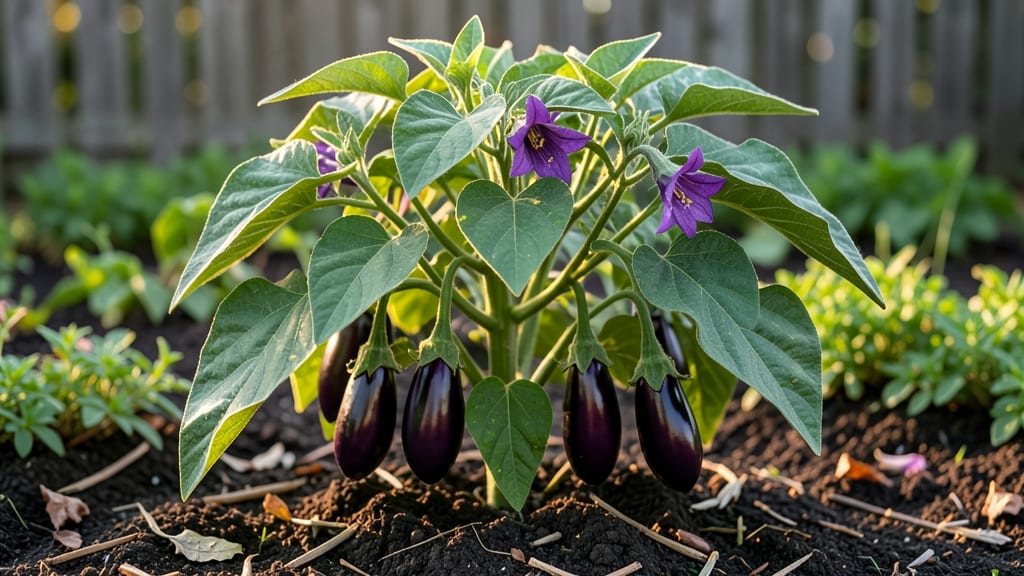
Eggplant plants act as perennials only in frost-free tropical zones, but they're usually treated as annuals in colder climates because they can't withstand freezing temperatures. Most varieties won't survive winter outdoors in typical U.S. growing zones, though careful indoor protection can sometimes revive them for another growing season.
Eggplants thrive as perennials in their native tropical environments where temperatures stay consistently warm year-round. 🌱 The moment nighttime temperatures dip below 50°F, these plants enter survival mode—leaves yellow and drop, growth halts, and the plant essentially goes dormant.
In colder regions like most of the U.S., gardeners typically replant new seedlings each spring because the delicate root systems rarely recover from winter's chill. What's fascinating is that some gardeners successfully overwinter potted eggplants by moving them indoors before frost hits, giving them a head start in spring.
This survival strategy works best with dwarf varieties that don't outgrow their containers. The key is mimicking their natural tropical conditions indoors—keeping them in bright light, maintaining 65-75°F temperatures, and providing consistent moisture.
I've had success with this method using grow lights and humidity trays, though it requires vigilance to prevent pests or diseases that thrive in indoor growing conditions.
💡 In This Article
- Why Eggplants Die in Cold Weather
- How to Overwinter Eggplant Plants Indoors
Why eggplants die in cold weather
Eggplants originate from tropical regions where temperatures rarely drop below 60°F, making them extremely sensitive to cold.
When nighttime temperatures fall to 50°F, their metabolic processes slow dramatically—photosynthesis nearly halts, and the plant begins shutting down. 🌡️ At 32°F, the cell walls rupture due to ice crystal formation, causing irreversible damage to the root system, which is the plant's lifeline for nutrient uptake.
The plant's survival mechanism involves a process called "dormancy," where growth stops and energy reserves are conserved. However, unlike hardy perennials like asparagus, eggplants lack the cold-hardiness adaptations (such as antifreeze proteins or deep root systems) to endure frost.
In U.S. growing zones 7 and below, frost is nearly inevitable in winter, making outdoor survival nearly impossible without protection.
What's fascinating is how eggplants prioritize energy during cold stress. They redirect nutrients from leaves to the root crown, causing the foliage to yellow and drop—a survival tactic that fails when temperatures plummet.
In contrast, tropical perennials like hibiscus or banana trees can regrow from their root systems if given warmth, but eggplants typically lack the robust underground reserves needed for recovery.
Growing zone classifications play a critical role here. In Zone 8 or warmer, where winters rarely drop below 10°F, eggplants can persist as perennials with minimal care. But in Zone 6 or colder, even a light frost can kill the plant entirely.
This is why gardeners in cooler climates treat them as annuals—replanting each spring ensures consistent harvests without the risk of winter loss.
Another key factor is the plant's water content. Eggplant leaves contain up to 90% water, which freezes and expands, physically damaging cell structures. This is why even a light frost can cause blackened, mushy leaves that never recover.
The contrast with cold-hardy vegetables like kale or spinach—which can survive -10°F—highlights eggplant's delicate nature.
For those curious about exceptions, some hybrid varieties (like 'Rosa Bianca') show slightly better cold tolerance, but they still struggle below 45°F. The real secret to perennial eggplant growth lies in replicating tropical conditions indoors during winter months, which we'll explore in the next section.