
Plants
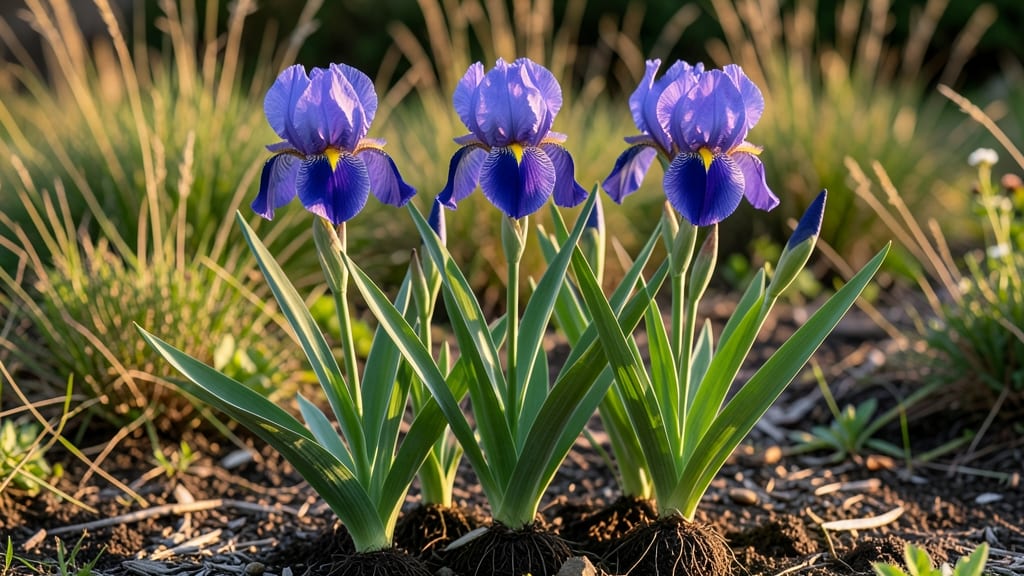
Dutch irises are perennials that undergo a natural dieback cycle, where foliage yellows and collapses each summer before regrowing from the same underground rhizomes in fall or spring. Their dormancy is normal, not a sign of annual death.
Dutch irises aren't annuals—they're hardy perennials that store energy in their thick, fleshy rhizomes during dormancy. 🌱 This underground storage system lets them survive harsh conditions while preparing for next year's growth.
Many gardeners mistake the summer dieback for death, but the rhizomes remain alive just below the soil, ready to sprout fresh foliage when temperatures drop. Think of it like a built-in survival strategy: when conditions get tough, they retreat underground and recharge.
What makes this lifecycle fascinating is how temperature triggers the cycle. As days grow shorter and hotter, the plant conserves energy by shedding leaves, then waits for cooler fall weather to restart growth. This pattern repeats yearly, proving these beauties are designed for long-term gardening success—not just one-season wonders.
💡 In This Article
- Why Dutch Irises Go Dormant: The Science of Their Perennial Lifecycle
- Caring for Dutch Iris Rhizomes: Summer Through Spring
Why Dutch irises go dormant: the science of their perennial lifecycle
Dutch irises rely on a specialized underground storage system called rhizomes—thick, horizontal stems that store starches, sugars, and water. These rhizomes can weigh up to 2-4 ounces each and contain enough energy to sustain the plant through 3-4 months of dormancy.
During summer's heat, the plant shifts resources underground, causing the above-ground foliage to yellow and collapse. This isn't death—it's a survival mechanism triggered by day length (photoperiodism) and soil temperatures above 75°F, which signals the plant to conserve energy. 🌡️
The dormancy process begins when the plant detects decreasing daylight hours in late summer. This triggers the production of abscisic acid, a plant hormone that promotes leaf senescence (aging). Simultaneously, the rhizomes ramp up starch production, converting sunlight energy into stored carbohydrates.
Studies show Dutch iris rhizomes can store enough energy to support 60-70% of next year's growth before any new leaves emerge. This adaptation explains why they thrive in temperate climates with distinct seasons, unlike tropical plants that grow continuously.
What often confuses gardeners is the timing of regrowth. While some perennials like peonies resprout in early spring, Dutch irises typically wait until fall temperatures drop below 65°F or even early winter in colder zones. This delayed response occurs because the rhizomes need stable cool soil to break dormancy safely.
The misconception that they're annuals stems from their dramatic summer dieback—similar to how some bulbs like daffodils go dormant but are clearly perennials in gardeners' experience. 🌱
Another key factor is the rhizomes' position in the soil. Unlike bulbs that sit deep underground, Dutch iris rhizomes grow just 1-2 inches below the surface, exposed to air and temperature fluctuations. This shallow placement allows them to sense seasonal changes more directly.
When summer heat dries the soil, the rhizomes enter a state of reduced metabolic activity, sometimes losing up to 30% of their water content without permanent damage—a remarkable adaptation for plants in regions with seasonal drought.
Consider this comparison: Annual plants like zinnias complete their entire lifecycle in one season, producing seeds before dying. Dutch irises, however, maintain their genetic material year after-year through the rhizomes, which can live for 5-10 years or more.
The rhizomes even develop protective layers of corky tissue during dormancy, similar to how some trees form bark to prevent water loss. This biological resilience is what makes them true perennials despite their dramatic seasonal changes. 💪
The dormancy cycle also explains why Dutch irises often bloom so vigorously in their second or third year. The first year focuses on building rhizome reserves, while subsequent years use those stored nutrients to produce 3-5 flower stalks per rhizome, each bearing 5-10 blooms.
This delayed flowering strategy ensures the plant has sufficient energy for both reproduction and survival—a perfect example of how perennial plants optimize their growth patterns over multiple seasons. 🌸