
Flowers
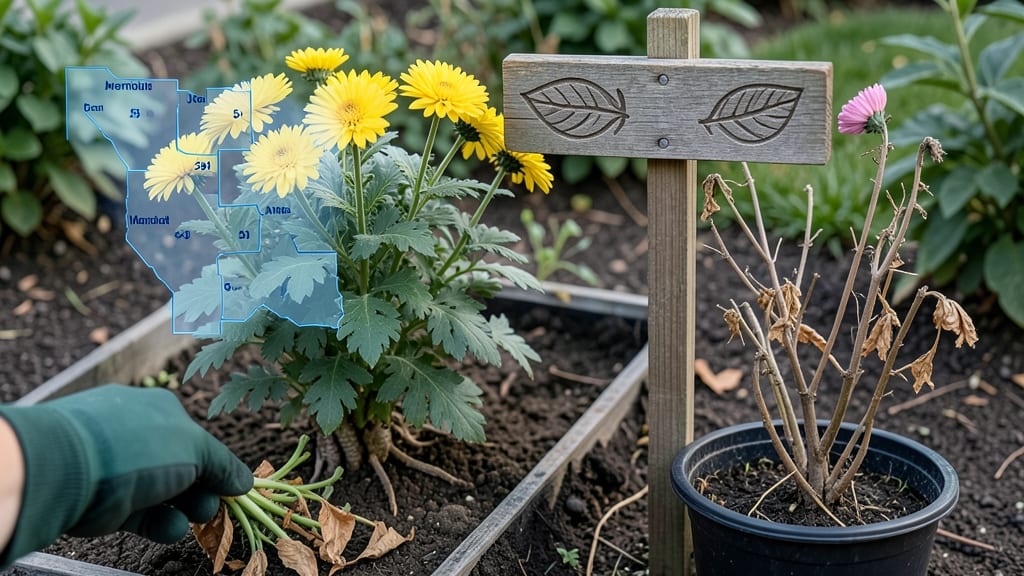
Not all mums are perennials—while garden mums (Chrysanthemum hybrids) thrive as hardy perennials in USDA Zones 5-9, many commercial varieties (like florist mums) are bred as annuals and won't survive frost. Always verify your specific type before planting for long-term growth.
This difference comes down to how mums are bred. 🌱 Garden mums develop deep root systems and natural cold resistance, while florist mums prioritize showy blooms over hardiness. The key is checking your plant's label—if it's labeled as a "garden mum," it's likely perennial in cooler zones.
For colder climates, opt for varieties like 'Balsam Fire' or 'Mammoth,' which handle frost better than typical annuals. Even then, proper mulching and overwintering care can extend their lifespan dramatically.
Here's why this matters: annual mums may look identical to perennials at the store, but their genetic makeup determines survival. 💛 The wrong choice means replacing plants every year, while the right selection could mean years of vibrant fall color with minimal effort.
Always ask your nursery about cold hardiness if you're in Zone 4 or below—many "mums" sold there are actually tender annuals disguised as perennials.
💡 In This Article
- Why Some Mums Die After First Frost
- How to Grow Mums as Perennials in Cold Climates
Why some mums die after first frost
At the core of this difference lies selective breeding. Garden mums (Chrysanthemum × grandiflorum hybrids) are developed to prioritize cold hardiness, with some varieties surviving down to -20°F in ideal conditions. Their root systems grow deep (often 12-18 inches below soil) to access moisture and nutrients during winter dormancy.
This natural adaptation allows them to enter a state of dormancy when temperatures drop, similar to how peonies or daylilies survive winter.
The opposite occurs with florist mums (Chrysanthemum × morifolium hybrids), bred primarily for their abundant, showy blooms rather than cold tolerance.
These plants typically only survive down to 25-30°F before their cells rupture from ice crystal formation. 🌨️ The key difference is in their cellular structure: perennial mums have thicker cell walls that resist freezing damage, while annual varieties lack this protective adaptation.
This is why you'll often see florist mums labeled as "seasonal" or "one-year" plants at garden centers.
USDA climate zones play a crucial role in determining survival. In Zones 5-9, garden mums naturally overwinter with proper care, while florist mums require removal before frost. The transition temperature is critical—most mums begin experiencing cold damage when soil temperatures drop below 40°F for extended periods.
This is why gardeners in Zone 4 often treat even hardy mums as annuals unless they take special overwintering precautions.
Another factor is flowering time. Perennial mums typically bloom later in the season (October-November), giving them time to establish strong root systems before winter. Annual varieties often bloom earlier (September) when grown from nursery stock, leaving them with less time to develop cold resistance.
The trade-off is clear: more flowers now versus potential survival later.
What most gardeners don't realize is how quickly frost damage occurs. Even hardy mums can suffer from 24 hours of temperatures below 25°F, while annual varieties may show signs of damage after just 6-8 hours below freezing.
The damage manifests as brown, mushy stems and blackened foliage—clear indicators that the plant's cellular structure has been compromised by ice formation.
Consider this example: 'Balsam Fire' mums (a perennial variety) can survive -15°F with proper mulching, while a typical florist mum might show frost damage after just 28°F.
The difference comes down to these cellular adaptations that breeders have selectively developed over generations. 🌡️ Understanding these biological differences helps explain why some mums thrive year after year while others become annual casualties of winter.